Across exhibitions, installations and a talks programme, the inaugural edition explored gentler ways of designing and inhabiting the world. Beneath its official theme slowness ran a deeper current and turn toward care for materials, communities and fragile ecologies
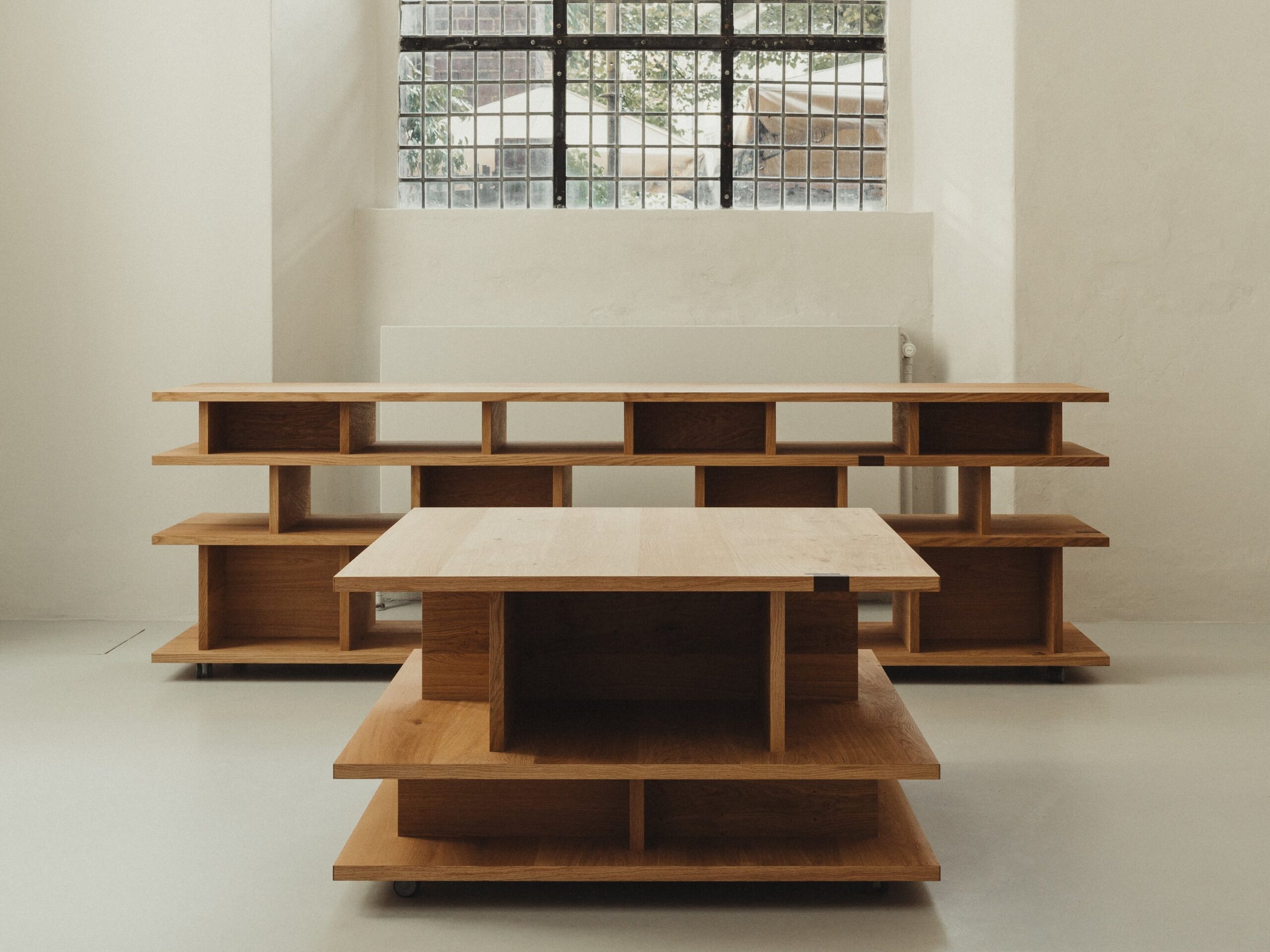
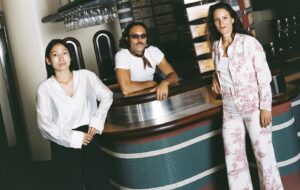
Photography by Paolo Galgani featuring Nikolaj Kunsthal Café, where Engel Architects prioritised materials like copper and oak
Words by Jessica-Christin Hametner
Copenhagen cares. That’s the message running through the first Copenhagen Architecture Biennial (18 September-19 October), which took Slow Down as its guiding theme. Exploring how a slower approach to designing, building and thinking might open new possibilities, the event prompted critical reflection on how architecture influences both society and the environment.
Organised by CAFx (Copenhagen Architecture Forum), and led by Josephine Michau, CEO and founder of CAFx and curator of the Danish Pavilion at the Venice Architecture Biennale 2023, the inaugural edition adopted a slower pace, inviting participants and visitors to engage more deeply and consider the wider impact of architecture.
In a world driven by speed, this proposition feels almost radical. Yet, it also hints at the unique spirit of Copenhagen, as Sabina Eklund, from the biennial’s press office, explains. The city’s architecture and creative community share a strong drive and passion to make a difference and perhaps, to go back to basics.
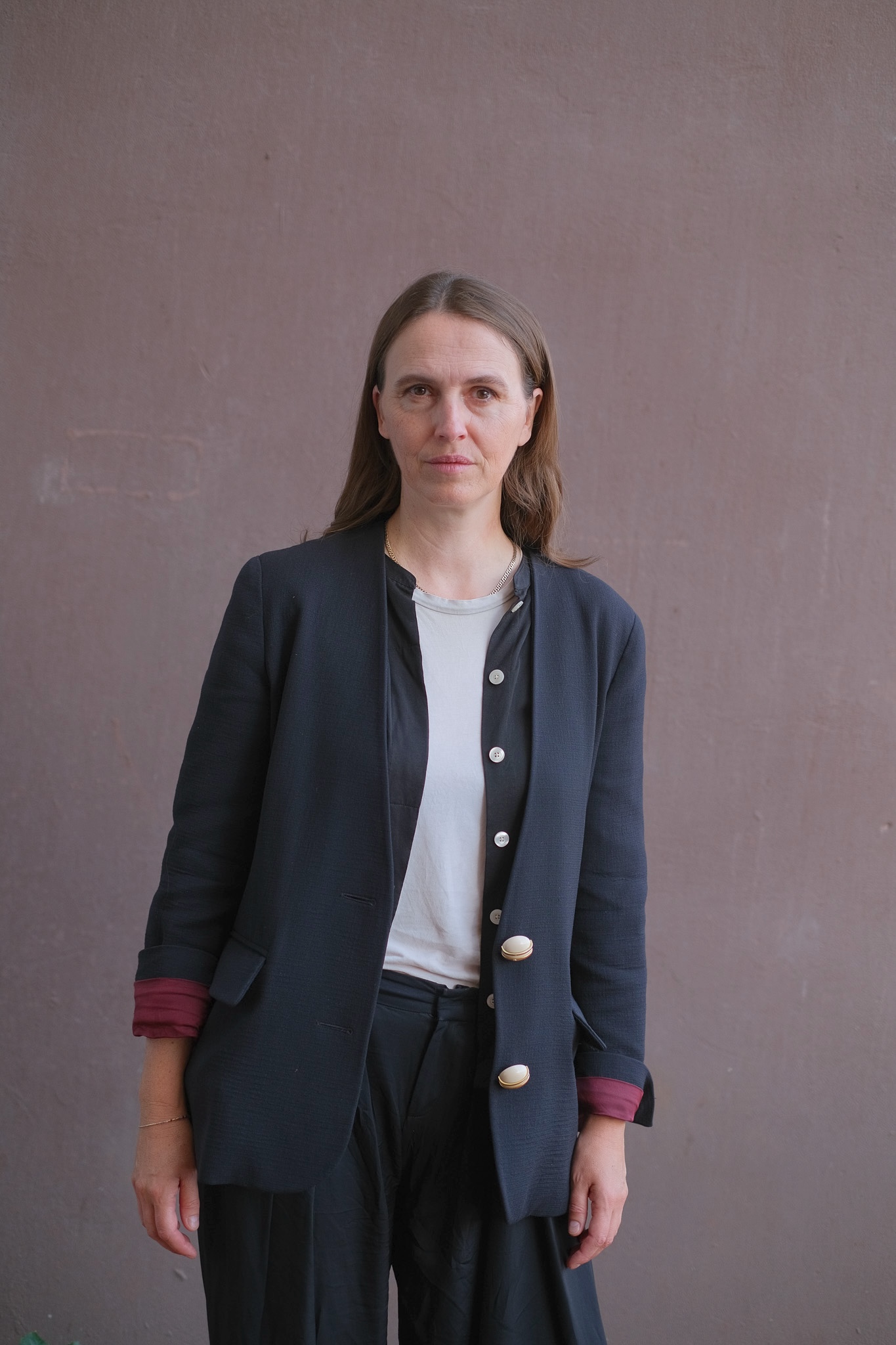
Photography by Sabina Hodovic featuring Josephine Michau, who led the first edition of Copenhagen Architecture Biennial
She points to Søren Pihlmann’s award-winning Thoravej 29 project in Nørrebro – a former factory building dating to 1967 by Erik Stengade and now a vibrant community hub – as having had ‘a ripple effect on Danish architecture’ since its completion this year. Staying true to Pihlmann’s practice, the project centred on circular principles, with an impressive 95 per cent of the existing materials reused.
This commitment to circularity extended across the biennial. Through exhibitions and talks spread around the city, architects, designers, students and engineers highlighted the value of adaptive reuse. From lowering carbon emissions and cutting costs to minimising waste sent to landfills, they showed how retrofitting buildings pushes back against the wasteful cycle of demolition and new construction.
As Thoravej 29 highlights, this approach also preserves the unique character of buildings that define a city’s identity, steering clear of a uniform, cookie-cutter urban aesthetic. The same philosophy was reflected, too, in the biennial’s Slow Pavilions, located in Copenhagen’s Cultural District at the picturesque Søren Kierkegaard Plads and along Gammel Strand.
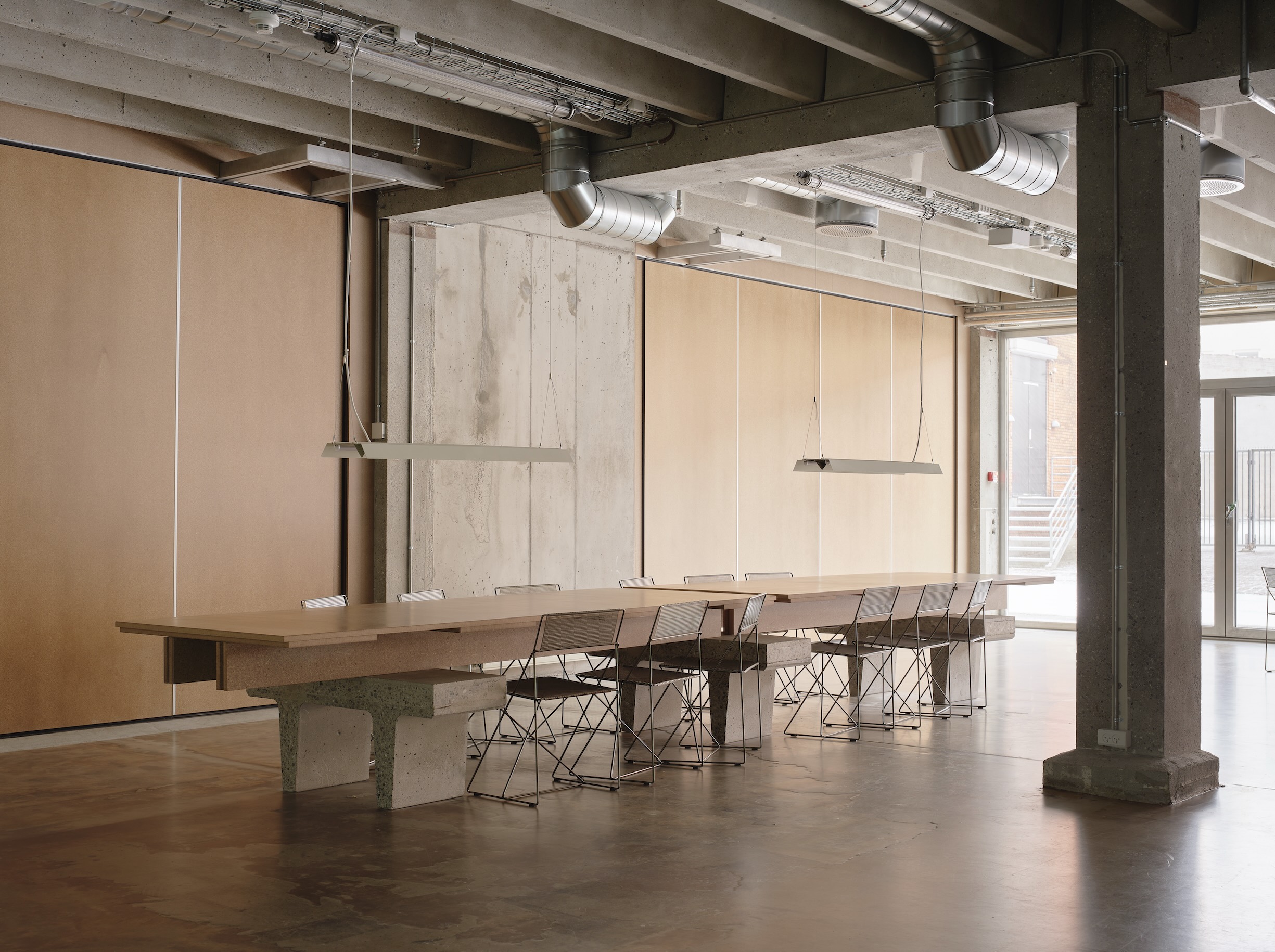
Photography by Hampus Berndtson featuring Thoravej 29, which saw pihlmann architects reuse 95 percent of the existing materials
Among them, emerging architect duo Slaatto Morsbøl, helmed by Thelma Slaatto and Cecilie Morsbøl, transformed found materials into a charming pavilion called Inside Out, Downside Up, that invited visitors to linger within its sheltered structure. Using halved ventilation pipes, around 1,200 perforated bricks, reclaimed timber and thatching reed, the pavilion challenged conventional material hierarchies.
‘The bricks were the starting point for the pavilion,’ says Cecilie Morsbøl of the materials used. The idea first came to Morsbøl and Slaatto while working as brick cleaners for a local recycling company three years ago. ‘Being surrounded by these massive piles of bricks gave us a new perspective on them and a greater appreciation for what you might call the imperfections in the old bricks,’ she adds.
With minimal intervention, Slaatto Morsbøl initially worked with the bricks in a traditional way using lime mortar. They then cut each brick in half to reveal its interior – an ironic gesture, the architects note, since the holes that lower a brick’s market value are usually the parts hidden from view.
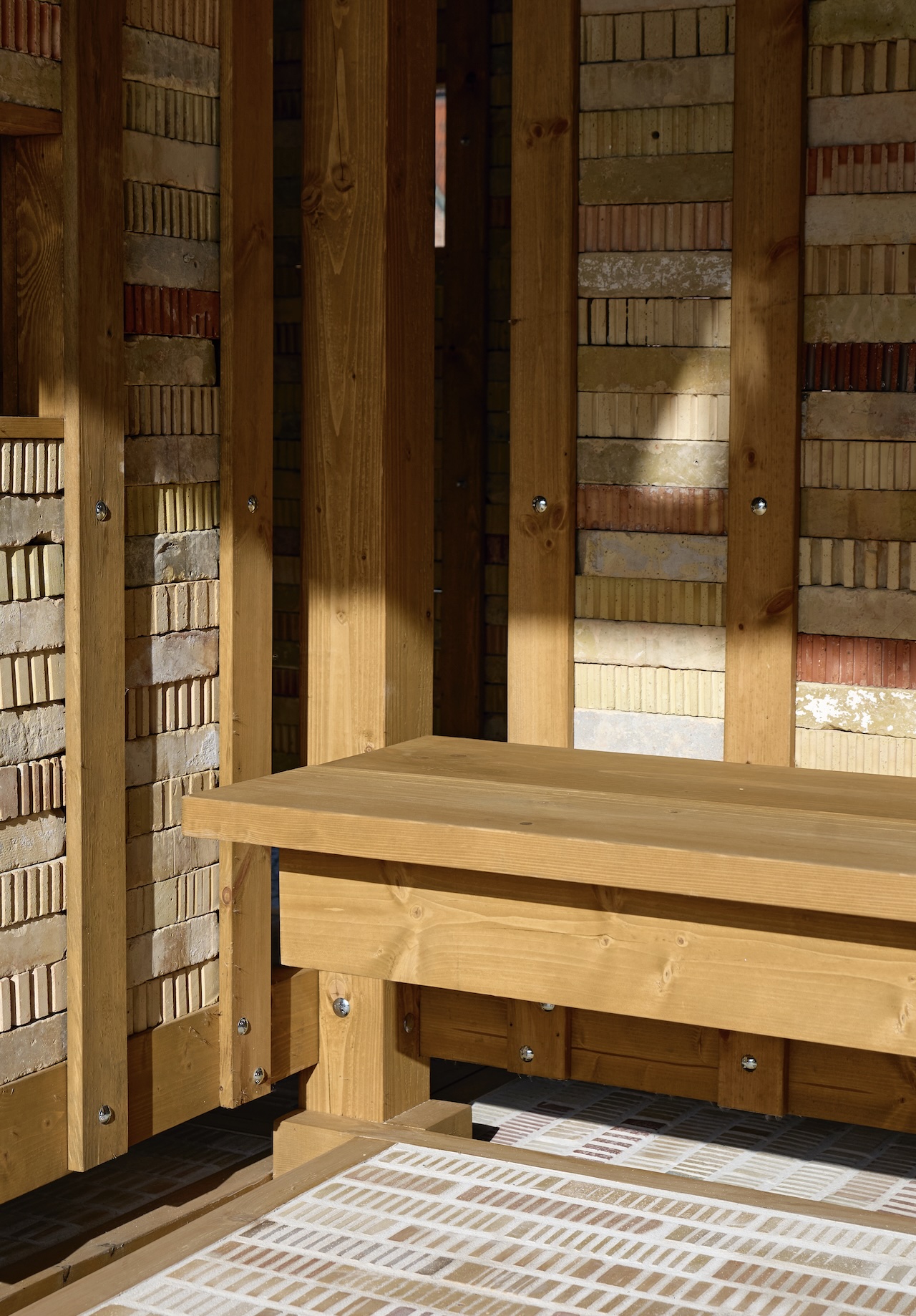
Photography by Maja Flink featuring Slow Pavilion, Inside Out, Downside Up by Slaatto Morsbøl
Curious to take the concept further, the pair began experimenting with wall elements, testing whether the bricks, which were sourced from all over Copenhagen, could be displayed without mortar and supported instead by a simple wooden framework.
‘We wanted to work with materials on the lower end of the value chain and see if we could turn them into something with higher aesthetic value,’ explains Morsbøl. ‘By showing each material from a different perspective, we allow it to express its own kind of honesty. Our aim is not to propose solutions, but to invite curiosity and a sense of play.’
The idea of cutting the bricks in half extended to the pavilion’s other materials as well. Ventilation pipes were similarly sliced open to reveal their interiors and even the thatching reed was reworked to expose details normally hidden from view. In doing so, the materials become design elements that invite people to look closer, touch and engage with them in new ways.
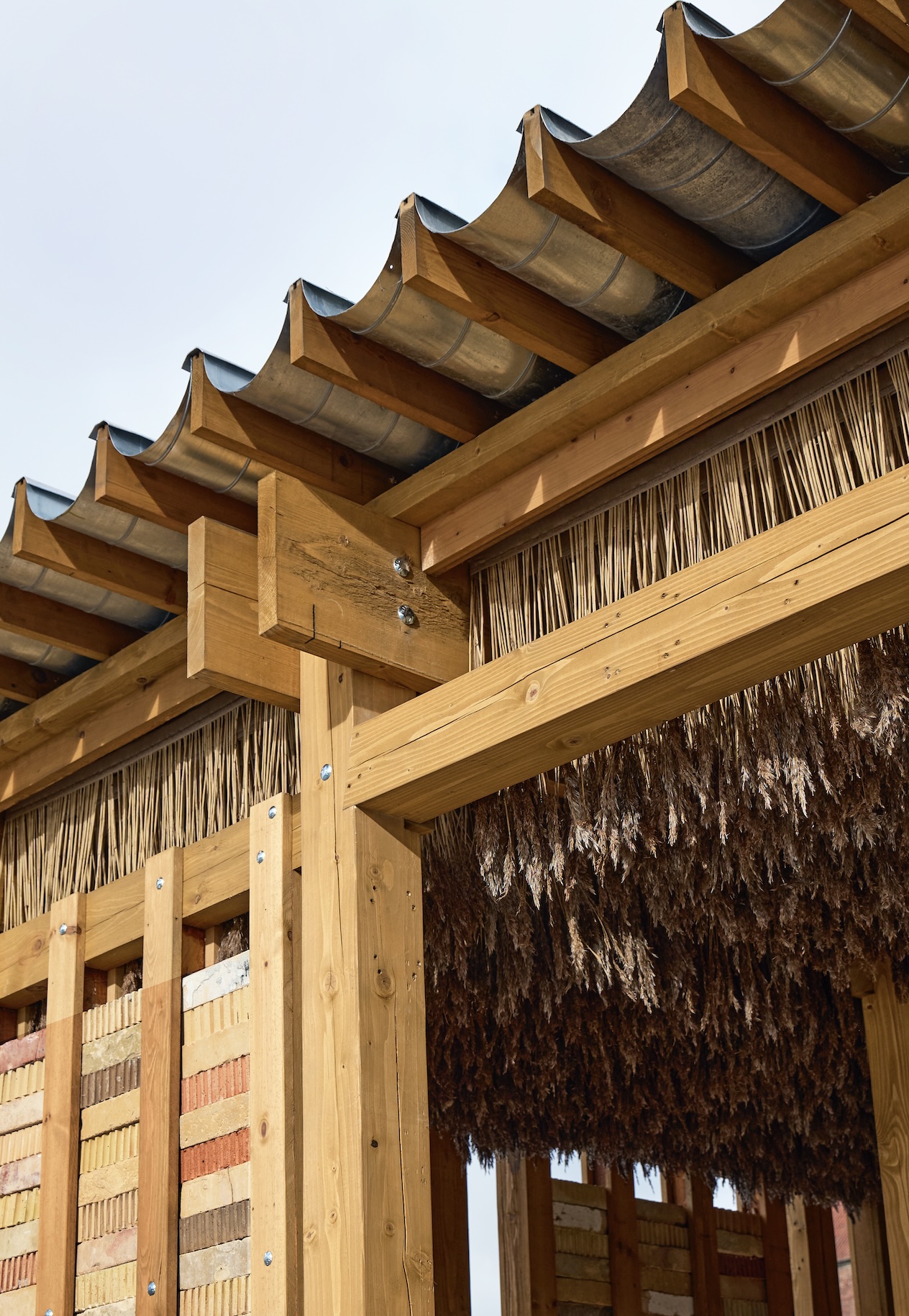
Photography by Maja Flink featuring Slaatto Morsbøl’s Inside Out, Downside Up and showing the sliced ventilation pipes and thatching reed
‘In the conversation around reuse and sustainability, we also need to have some kind of positivity around the materials themselves,’ says Morsbøl. ‘It’s not that they should be good only because they’re reused, they should be good because they have a different quality for which they should be appreciated. You want the history and stories of the materials to be visible.’
One challenge, Morsbøl notes, is finding ways to create material storage spaces and reuse banks to make these salvaged materials more accessible. London-based THISS Studio and Tom Svilans reflected the same concern in Barn Again, their collaborative project and pavilion, realised with engineers Bollinger+Grohmann and Danish carpenters Winther A/S at Gammel Strand.
Reimagining the traditional Norwegian barn with reclaimed timber from a disused structure, Barn Again focused on a combination of hand- and machine-crafted techniques. Like Inside Out, Downside Up, it offered a restorative urban space while extending the life cycle of aged materials. ‘My research has been about these circular solutions for timber, digitisation, automation and how technology can change the way we work with timber both as a new resource, but also as reclamation,’ explains Svilans.
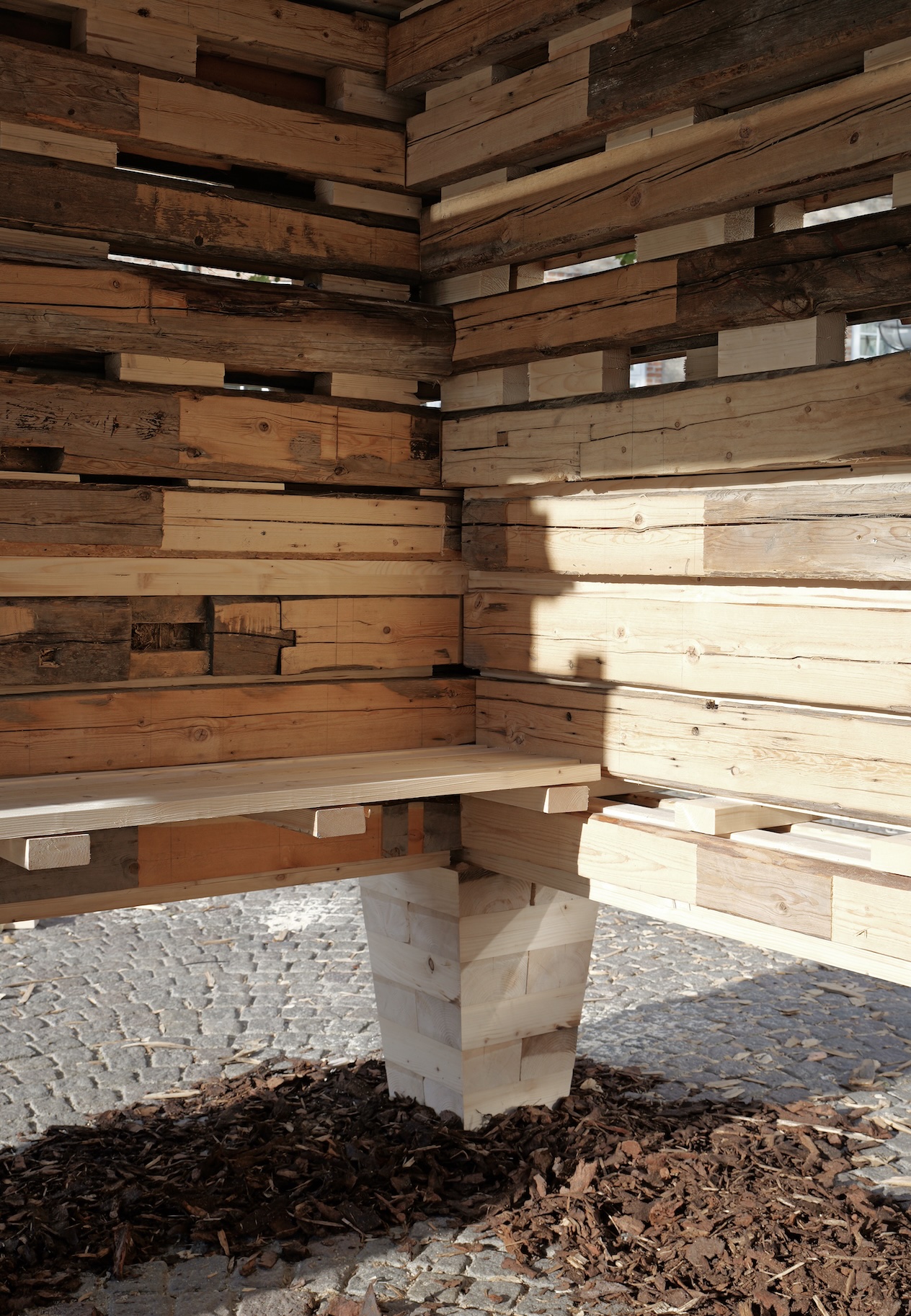
Photography by Maja Flink featuring Barn Again by THISS Studio, Bollinger+Grohmann and Winther A/S
The pavilion investigated the potential of overlooked materials and how these hidden resources can be expressed architecturally. Inspired by stacked barn timber, Svilans and THISS Studio played with the notion of “stacking” a space in a similar way, echoing the patterns and arrangements seen when the timber is collected and stored. ‘We wanted to express the rudimentary nature of the material,’ adds Sash Scott of THISS Studio. ‘But also to create something special and different to a space in the city.’
Starting with a mix of timber – some weathered, some rounded, some decayed – the team first focused on understanding the material’s variety. From there, they tackled the practical challenge of assessing, sorting and organising the wood. These logistical considerations became central to the design, with Svilans and THISS Studio taking a considered approach to every detail of the pavilion’s construction.
‘No matter how much planning you do with this kind of material and the ambitions for the project, we had no choice but to slow down,’ reflects Scott. ‘Because every single piece took so much time to consider, to think about, to understand, to fit towards a machine, to handle, and it became, I think, a little bit of a meditation in working with the material and getting to know the building.’
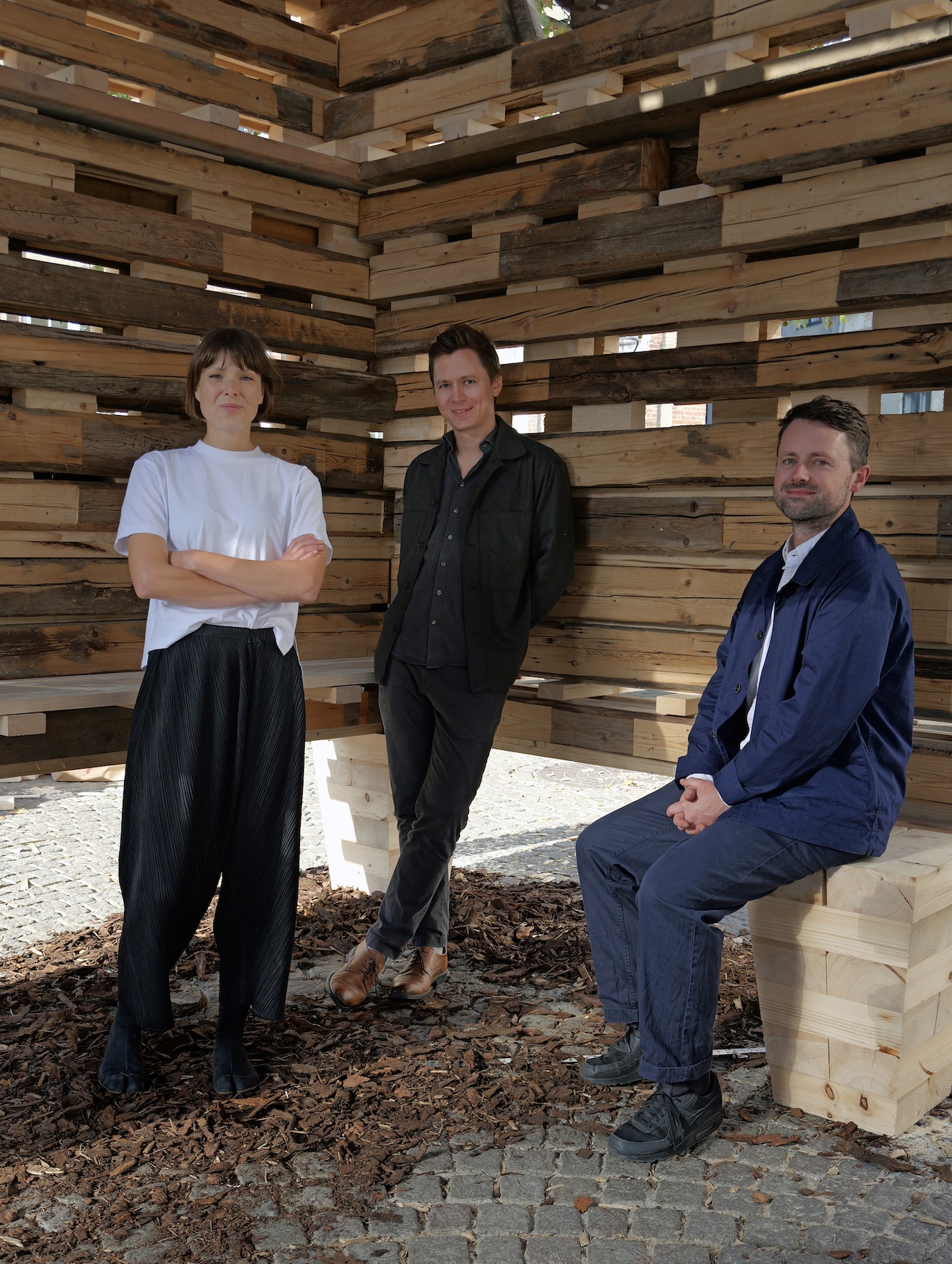
Photography by Maja Flink featuring Tamsin Hanke of THISS Studio (left), Tom Svilans (centre) and Sash Scott of THISS Studio (right)
During the design phase, the team rebuilt the barn in their 3D models several times. As the data from Svilans became increasingly precise, they refined the model until every piece of timber was codified. Svilans meticulously measured, documented and photographed each element, assigning a unique identifier to every piece – similar to a QR code – so nothing was left to chance.
‘There was a real dialogue between this very analogue way of documenting or thinking about timber, and also the very digital one, which doesn’t have all the idiosyncrasies and it gets to a point where there is a limit to what you can really do with the data,’ shares Scott. ‘But it was driving the project right up until the very end.’
THISS Studio describes the project as a ‘sample’ or ‘experiment’, highlighting the challenges of working with historic materials while taking a progressive approach through digital models and data. Even as a prototype, the architects note that the one resource that remains indispensable is time. Svilans hopes the project showcased the potential of working with reclaimed materials in thoughtful ways.
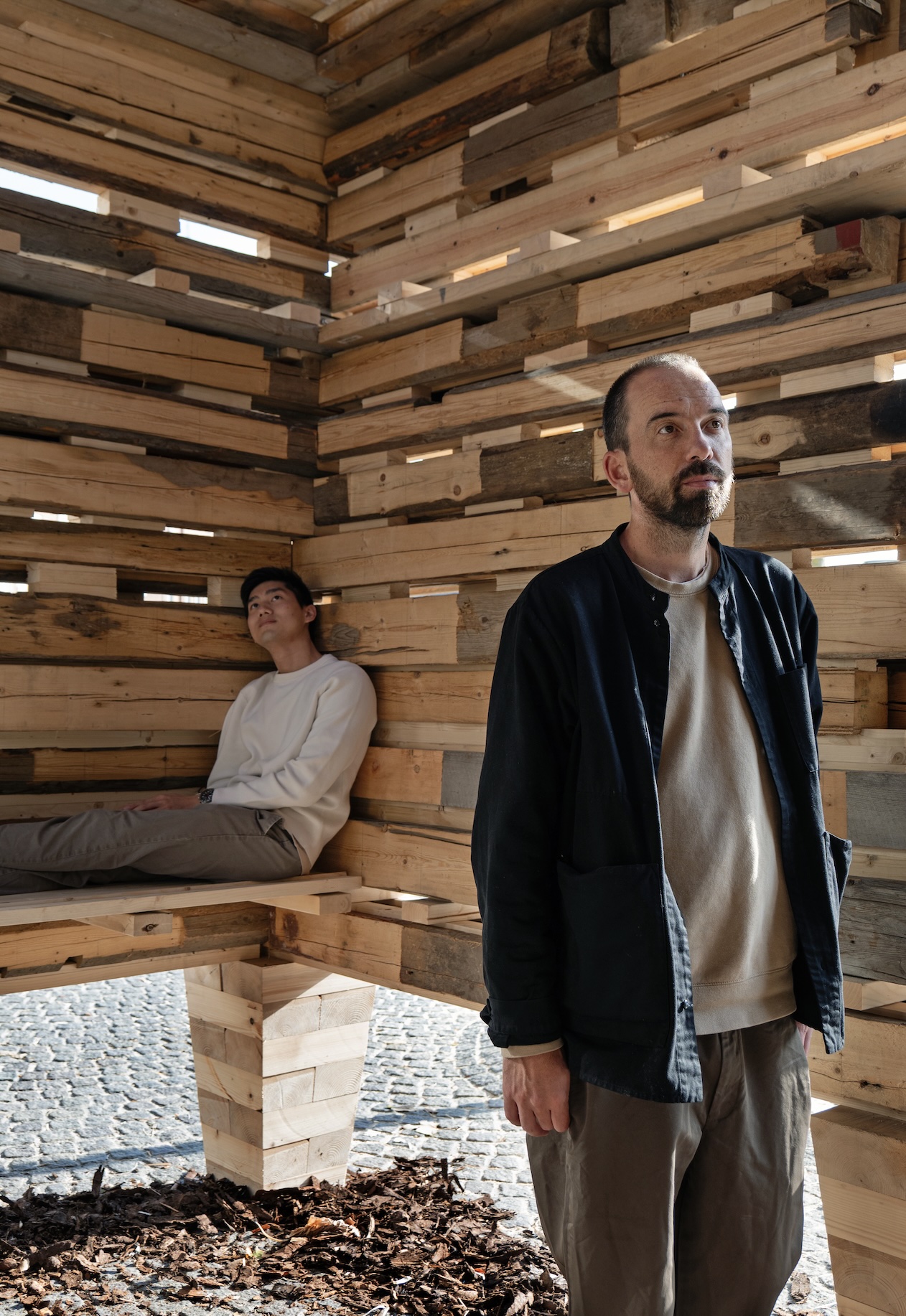
Photography by Maja Flink featuring Barn Again by THISS Studio, Bollinger+Grohmann and Winther A/S
‘From a more technical research perspective, we have all these new technologies – robots, AI, simulation – but that doesn’t mean they should be used only to create new things or with new materials,’ states Svilans. ‘They can also offer a productive lens for reimagining old materials and old buildings.’
Svilans’s words resonated beyond the pavilion, reflecting a broader shift in architecture toward working intelligently with what already exists. One project that perfectly captures the possibilities of transforming existing buildings is The Chapel Retold, a collaboration between a group of Danish architects, including Verna and Hahn Lavsen; artists like Julie Falk and Rasmus Søndergaard Johannsen; and artisans such as Karoline Bach Larsen and Marianne Noer.
Curated by art historian and PhD Marianne Krogh alongside architect Sidsel Gelting Hodge, this temporary transformation of a former funeral chapel and garden in Copenhagen’s leafy Frederiksberg neighbourhood took a minimalist approach. Through a careful, resource-conscious and investigative design process, the team repurposed the site on a modest budget, demonstrating how even the most unlikely buildings can be adapted for new uses that serve the local community.
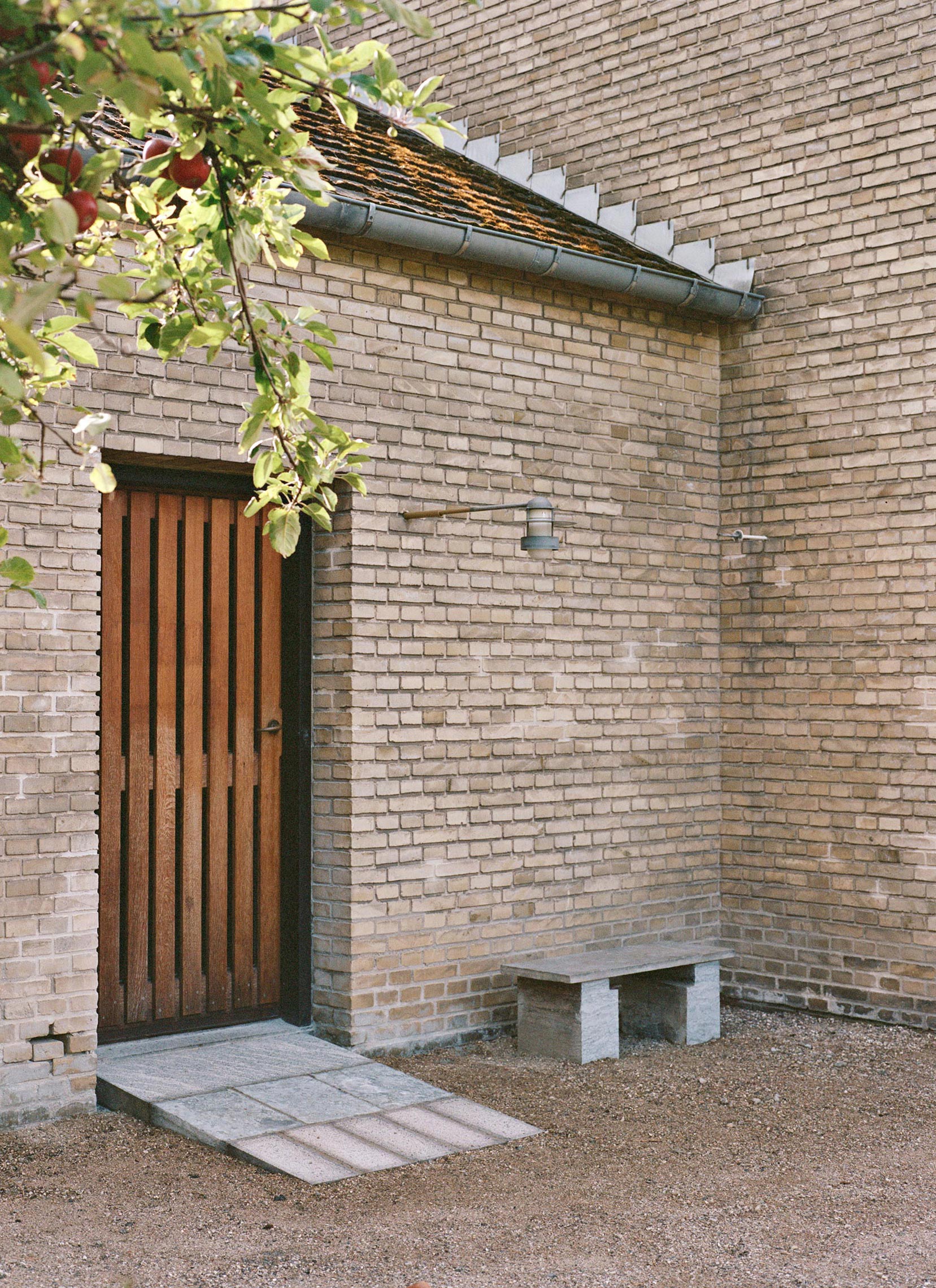
Photography by Laura Stamer featuring The Chapel Retold
Born out of Krogh’s desire to create an exhibition, the project, titled Sensing Earth, has been in the works for just over a year. It reflects a growing move that prioritises the value of existing structures over demolition, urging us to preserve rather than tear down. ‘I thought, why not find a building, transform it and make that the exhibition?’, says Krogh, explaining the origins of the idea.
At the heart of project is the midcentury chapel. Originally built in 1954, the now defunct building, which closed its doors in 2019, is tucked away on the grounds of the soon-to-be-closed Frederiksberg Hospital. Responding to an open call from the Danish Association of Architects, the team was invited to breathe new life into the building.
‘When we took over the space, it was filled with remnants from its previous use,’ shares Krogh. ‘We set a few guiding principles, one of which was that we didn’t want to add anything new. Instead, we only used what was already on the site or in the immediate area. It was about understanding the building’s inherent qualities and finding ways to enhance them.’

Photography by Laura Stamer featuring The Chapel Retold
The transformation of the chapel is part of a larger redevelopment effort at the Frederiksberg Hospital site, which aims to create a new urban district. Within this broader vision, the chapel stands as one of several buildings designated for preservation.
The Danish Association of Architects’ work to reinvent the chapel as a cultural venue and community hub for music, theatre or art, represents an important first step in welcoming the public into the new neighbourhood. Serving as a model for how buildings can be sustainably transformed, the chapel offers a blueprint for future projects in the area.
‘We talked a lot about how little we could do,’ says Krogh. ‘There’s often a tendency in architecture or renovations to feel the need to do big things or to imprint your presence. But in this case, we focused on doing as little as possible.’
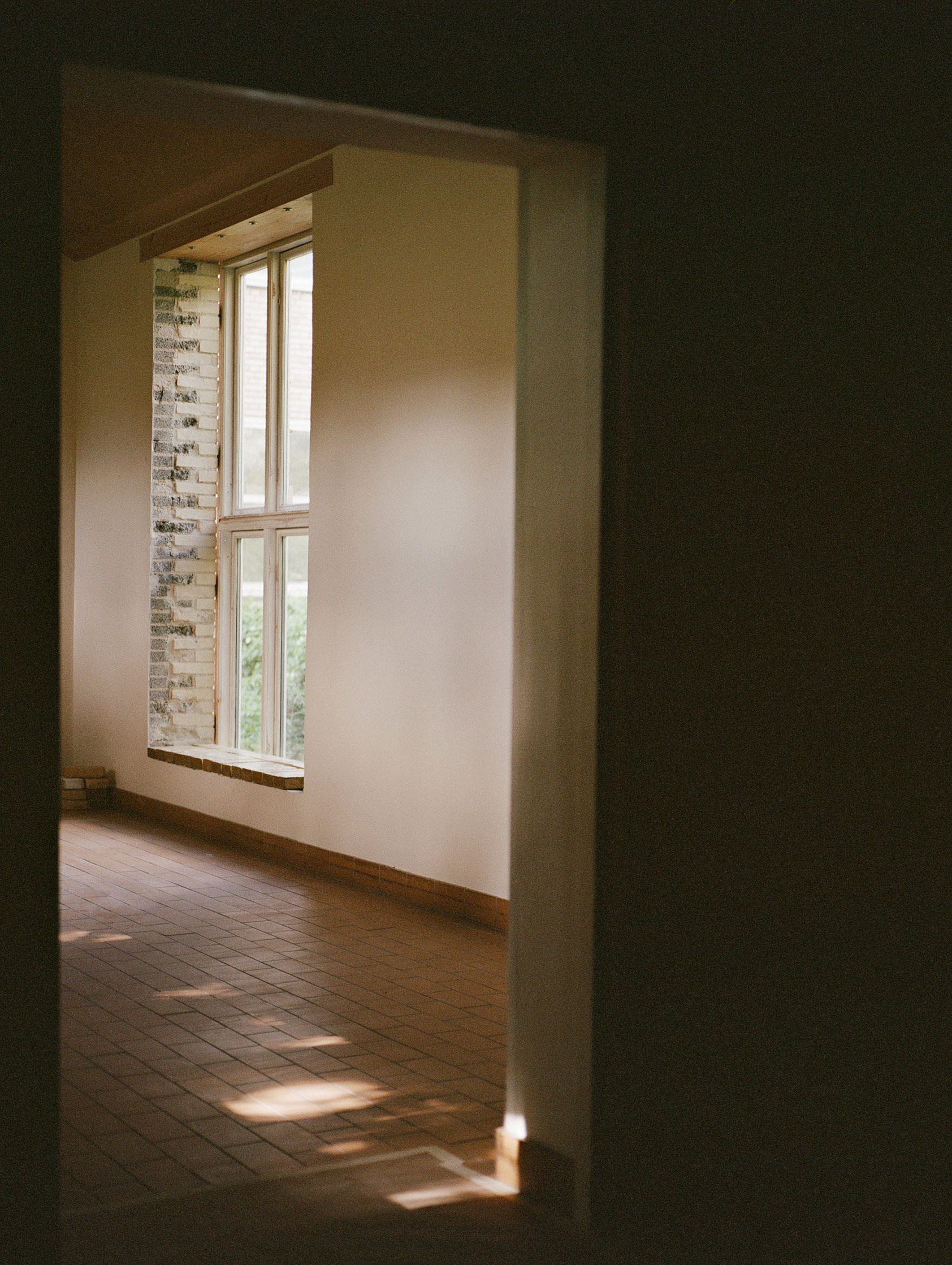
Photography by Laura Stamer featuring The Chapel Retold and a window that was discovered in a skip
In Denmark, roughly 2.2 million square metres of floor space are demolished each year, while simultaneously, about 5–6 million new square metres of new construction are added annually. By cleaning, cutting back, treating and processing the materials found at the site – stone, masonry, surfaces, doors and windows – the need for new additions was minimised.
Whenever possible, the team incorporated only what could be “foraged” from the grounds or other nearby areas, such as a window discovered in a skip, while new shutters were made from leftover materials.
‘There’s a thin line between transformation and repair,’ notes Krogh, reflecting on the balance between preserving a building’s character and giving it a new function. ‘It’s a fascinating discussion, especially as we’re only now beginning to really talk about what counts as transformation, restoration or renovation.’
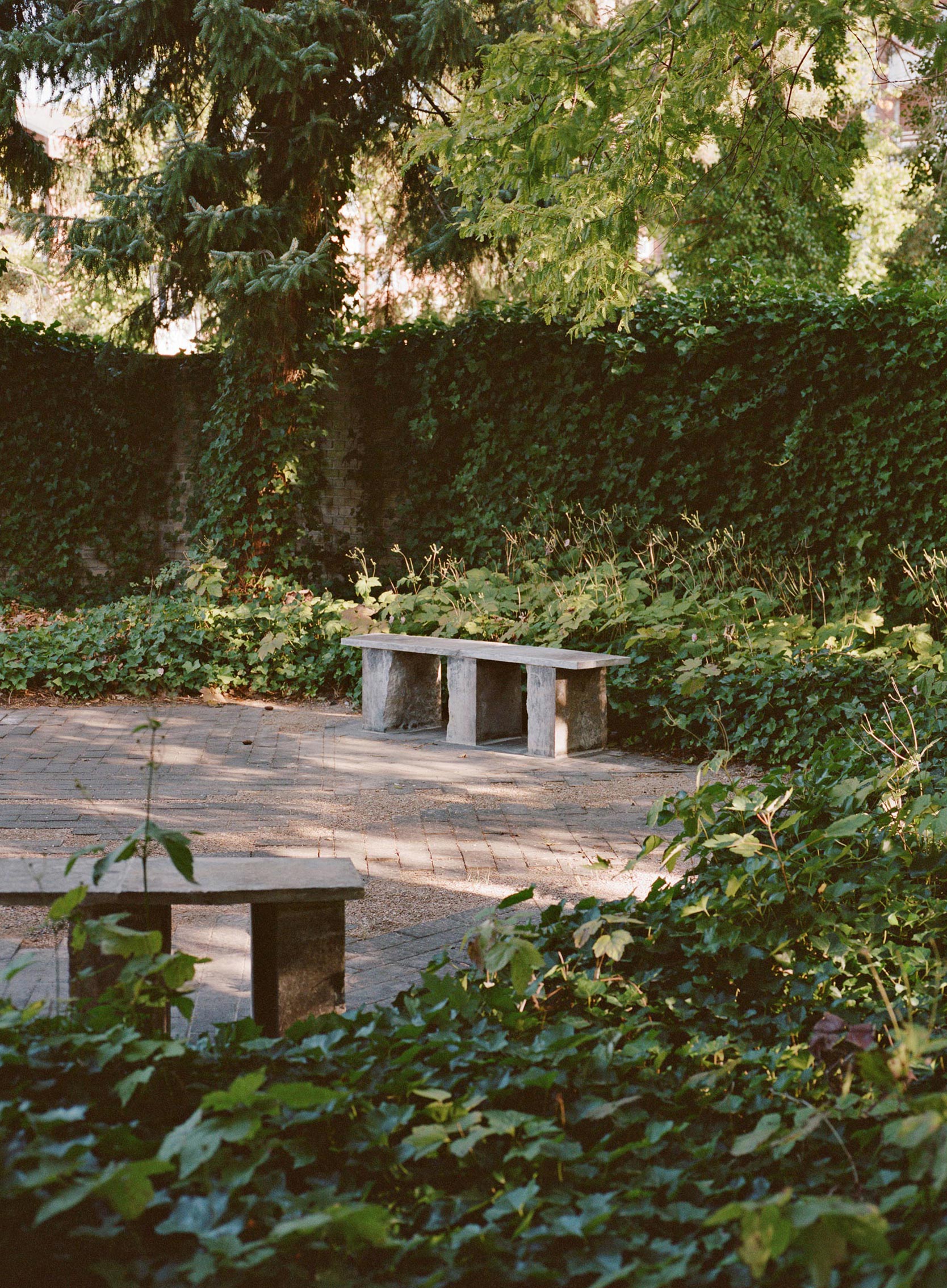
Photography by Laura Stamer featuring The Chapel Retold and its serene garden
In practice, this philosophy guided the group’s approach. The gate’s decorative elements were adapted for new functions, damaged bricks were repaired with visible traces that tell the story of the building’s age and wear, and the chapel was limewashed and painted in accordance with the original architect’s colour scheme.
‘We went into the archives and discovered that the architects in the 1950s were deeply inspired by the colours of classical buildings and antiquity,’ shares Krogh, explaining the inspiration behind the chapel’s serene palette. ‘They admired and drew from those colours, so we decided to emphasise the palette further, to change the atmosphere and make it more homely.’
The careful interventions and considered palette create an intimate place of care. Its attention to detail make the chapel personal and moving, inviting visitors to connect with both the building’s history and the surrounding environment.
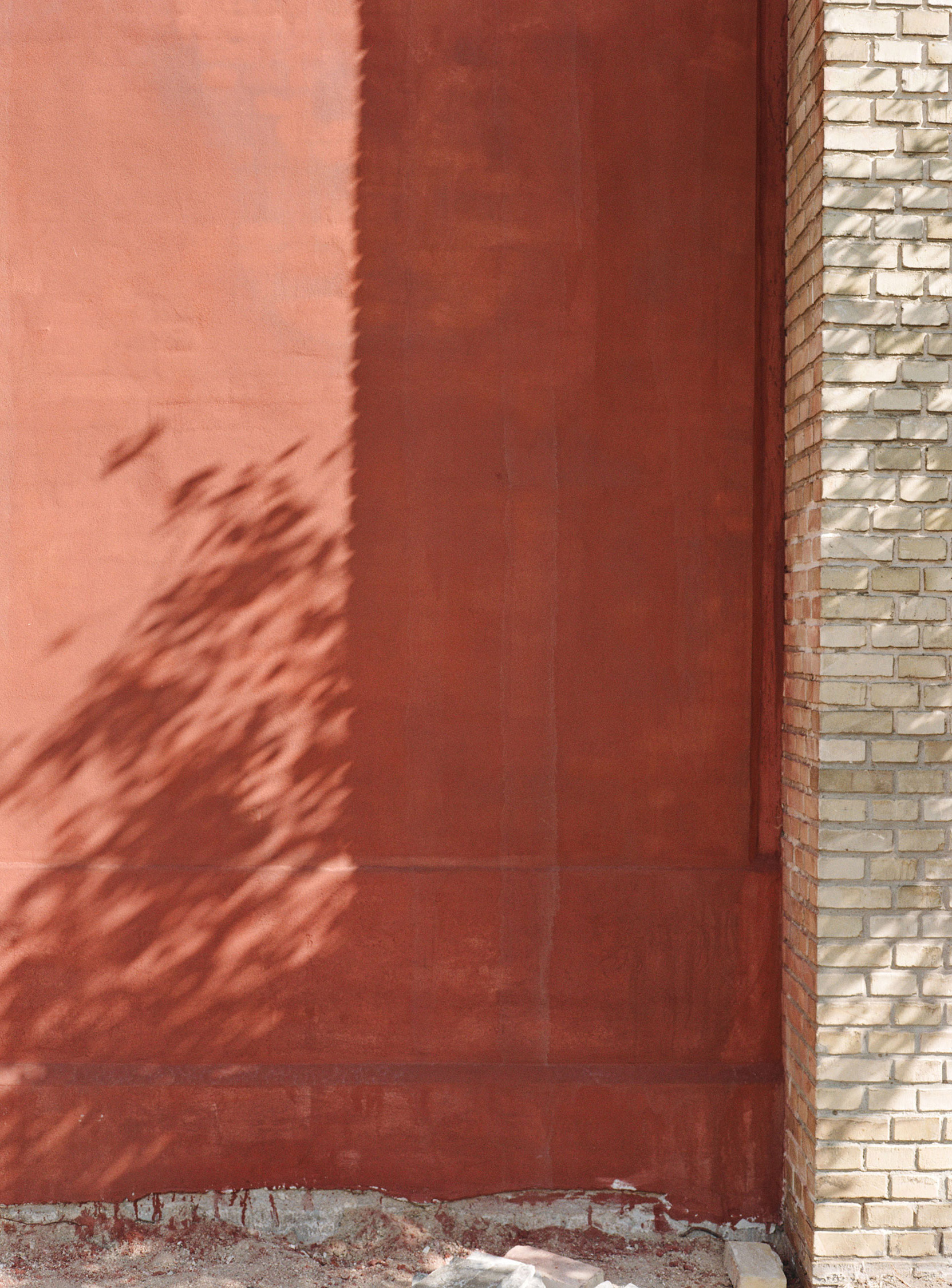
Photography by Laura Stamer featuring The Chapel Retold
What unites all these projects is their ability to influence how we think about materials – their selection, reuse and potential in future projects. As temporary spaces – though both pavilions will eventually be relocated and the chapel occupied soon – they offer opportunities for experimentation and educating people about the origins and stories of materials. Beyond their architectural significance, Inside Out, Downside Up, Barn Again and The Chapel Retold create spaces within the city that invite people to pause and engage with their surroundings and one another.
‘It’s really nice when architecture can be in places where you wouldn’t normally go – not to see a performance or go to an art exhibition,’ concludes Morsbøl. ‘When people walk up to the building, get curious and perhaps pause in their daily life to sit here, it’s rewarding to see how these structures might inspire small, meaningful reflections.’
Together, these designs embody a more thoughtful approach to architecture – one that values care, not just for materials and buildings, but also for those who inhabit them. Deeply rooted in Danish design culture, this approach emphasises human-centred spaces that nurture connections and wellbeing. The Copenhagen Architecture Biennial celebrates this philosophy, illustrating how architecture can create places that invite us to slow down and engage more fully with the world around us.
Get a curated collection of design and architecture news in your inbox by signing up to our ICON Weekly newsletter