Poland is a country that’s growing in strength both economically and militarily. Increasingly, the nation’s new-found confidence can be discovered in its burgeoning design scene
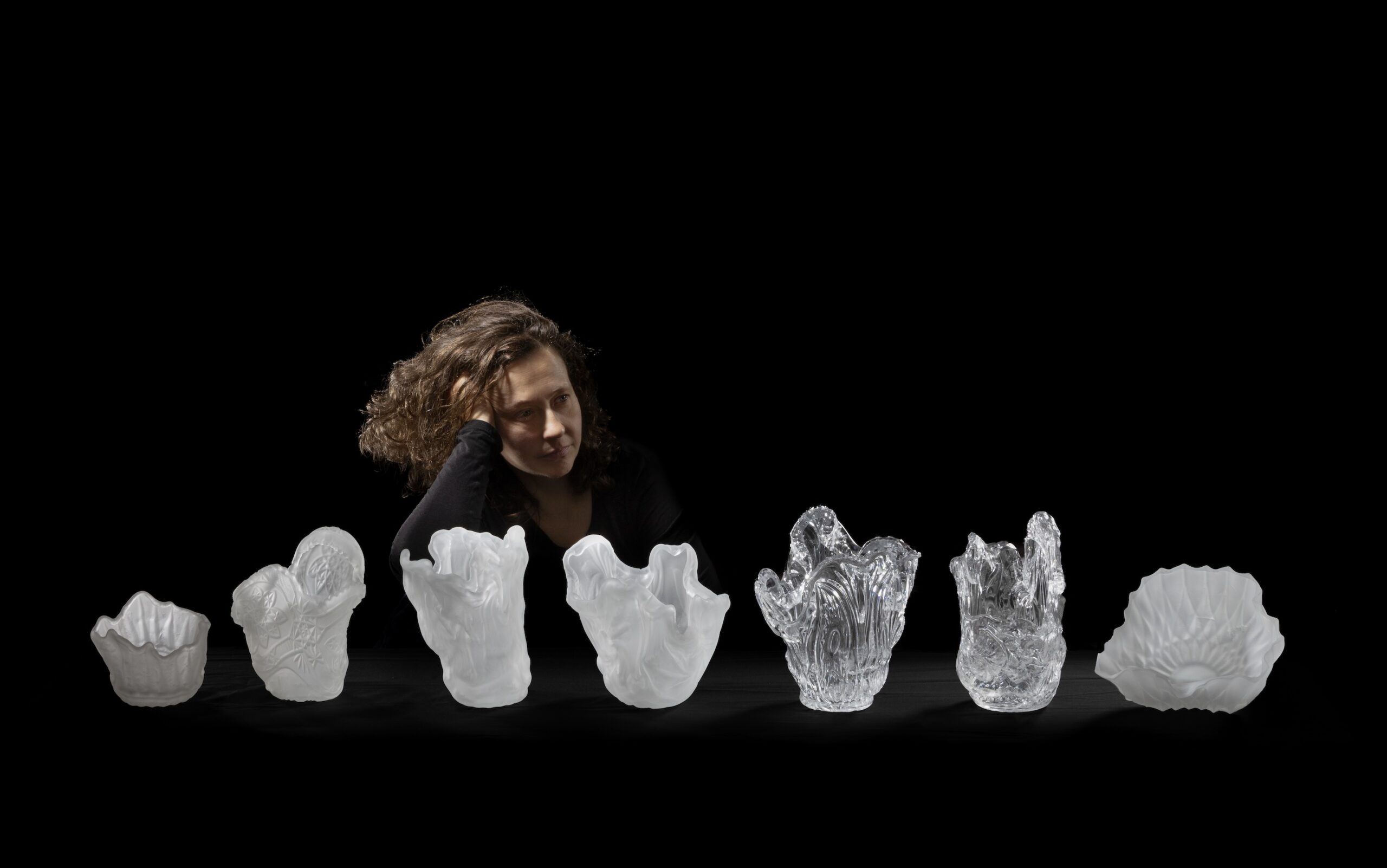
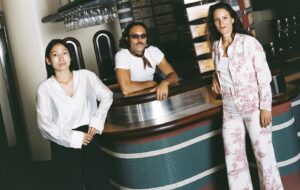
Photography by Agniszka Wira featuring Kaśka Harasym
Words by Grant Gibson
Attempting to define a nation state is a slippery business. For example, what images does Poland conjure to people in the UK? For the generation that can still remember VE Day 80 years on, it might be seen as a contested land, divided by the Nazis and the Russians with horrific repercussions for swathes of the population, and the catalyst behind Briton’s decision to declare war on Germany in 1939.
Perhaps Generation X might think back to the glimmer of hope in the darkness of the Cold War, when Solidarity – founded in August 1980 at the Lenin Shipyard in Gdańsk and led by Lech Wałęsa – represented that first sign of an empire crumbling and appeared to be on British TV news every evening.
Others may look to more recent times and the Polish migration to the UK after it joined the EU in 2004, bringing with it a legion of skilled, hardworking (and it should be said inexpensive) labour. But times change and, as the shadow of Putin’s Russia looms once more over Europe, Poland has emerged as a vital player. Need proof? Look no further than the front cover of a May ’25 edition of The Economist, entitled The Remarkable Rise of Poland. As the magazine’s leader sets out in no uncertain terms: ‘Poland has transformed itself into Europe’s most overlooked military and economic power – with a bigger army than Britain, France or Germany and living standards, adjusted for purchasing power, that are about to eclipse Japan’s.’
Some statistics. Since 2004 its annual average growth has been almost 4 per cent and it is now the 20th largest economy in the world by nominal GDP; it boasts the third largest army in NATO, spends over 4 per cent of its GDP on defence and plans to raise that to 5 per cent next year (it’s depressing, but inevitable in the current political climate, that we have to talk about military might); unemployment is under 3 per cent; its trains are currently more punctual than those in Germany; and for what it’s worth – symbolically it does appear to matter hugely to some – Warsaw possesses the tallest building in the EU.
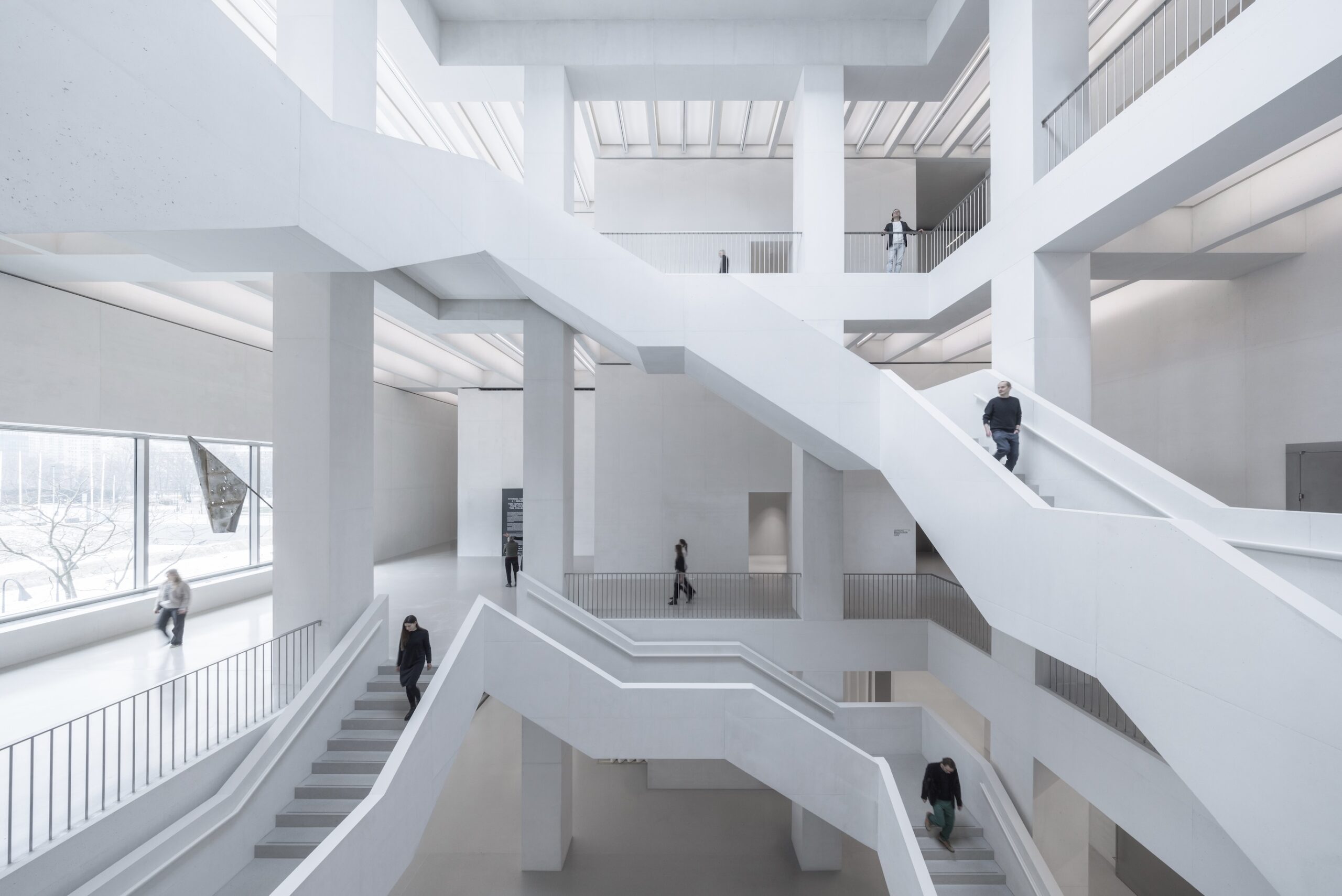
Photography by Filip Bramorski featuring Museum of Modern Art (MSN Warsaw)
Anecdotally, on recent trips to the capital and Wrocław, it was hard to avoid a discernible buzz. Bars, restaurants, and shops are popping up and the unapologetically modernist Museum of Modern Art has just opened adjacent to the unyielding Palace of Culture and Science (which remains as a reminder of the nation’s Soviet past). Right now, the capital feels vaguely reminiscent of London in the mid-nineties – a place of possibility.
While its economy and military strength is on the rise, so is its soft power through culture and innovation. I remember being invited to do a crit on a cohort of students at the Łódź Design Festival a little over a decade ago and being slightly concerned by their collective desire to ape the worst excesses of the luxury design market. However, at the same time, it was clear that there were a knuckle of designers – often educated in London or Zurich – that were producing some genuinely fascinating work. In different ways, the likes of Maria Jeglinska, Tomek Rygalik, Marcin Rusak and Oskar Zięta have blazed a trail for a new generation of Polish designers across Europe.
It’s probably unwise to characterise an entire cohort but it is possible to see some threads emerge in the new breed of Polish designers – the importance of craft and heritage skills allied to a profound interest in new ideas, and the ability to manufacture locally, for example. Take Zięta. He comes from a family of blacksmiths and now uses air and parametrics to create extraordinary metal sculptures and objects from a production workshop in Zielona Góra, western Poland with a staff of over 80 people.
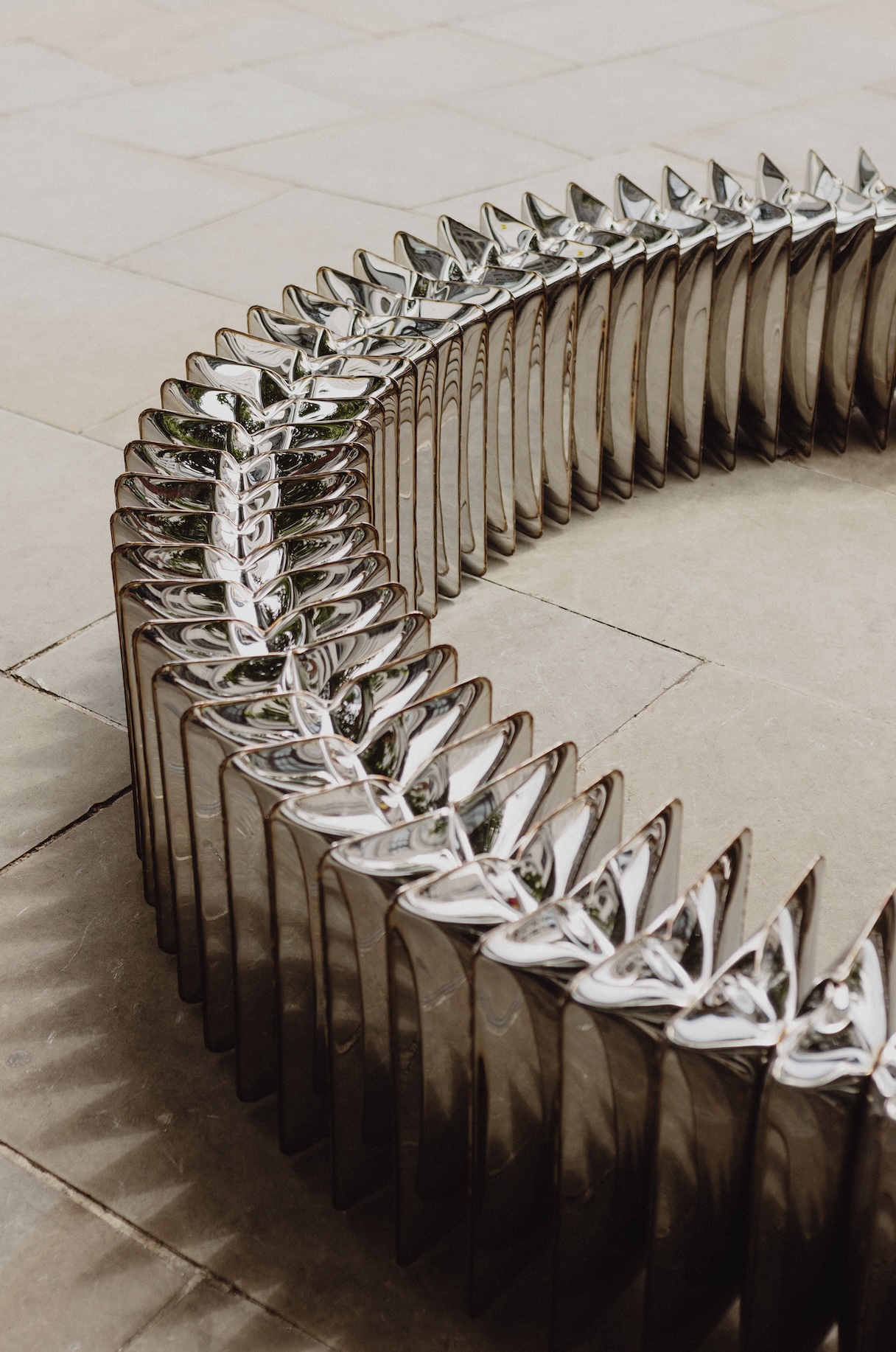
Photography by Alka Murat featuring Zieta Studio, Whispers, London Design Festival
There’s a sense of resourcefulness and adaptability too, which could be down to a combination of contemporary climate change awareness and the legacy of communism, where the population was forced to live frugally, to fix things, and adapt objects for new uses. So Rygalik recently launched LOOPE, a company that creates new pieces of furniture using leftover material found from a factory that produces kayaks and flowerpots.
Others, meanwhile, are pushing at the boundaries of traditional craft. Alicja Patanowska’s website proudly announces: ‘I am a potter’ before adding that’s she’s also a visual artist and designer who looks ‘at narratives contained in physical matter’. She is probably best known for her project Plantation, where she collected discarded glass bottles found on London’s streets and combined them with porcelain elements to create vessels for hydroponic plant cultivation. Her initial student project was subsequently turned into a commercial product.
This burgeoning group of designers mirrors the nation’s sense of confidence. It is no coincidence that the Polish pavilion has won significant awards at the last two editions of the London Design Biennale. They focused on the reuse of waste windows donated by Poland to the Ukraine and the process of waiting as told through the medium of wood carving, respectively. Resourcefulness and craft featuring heavily once again.
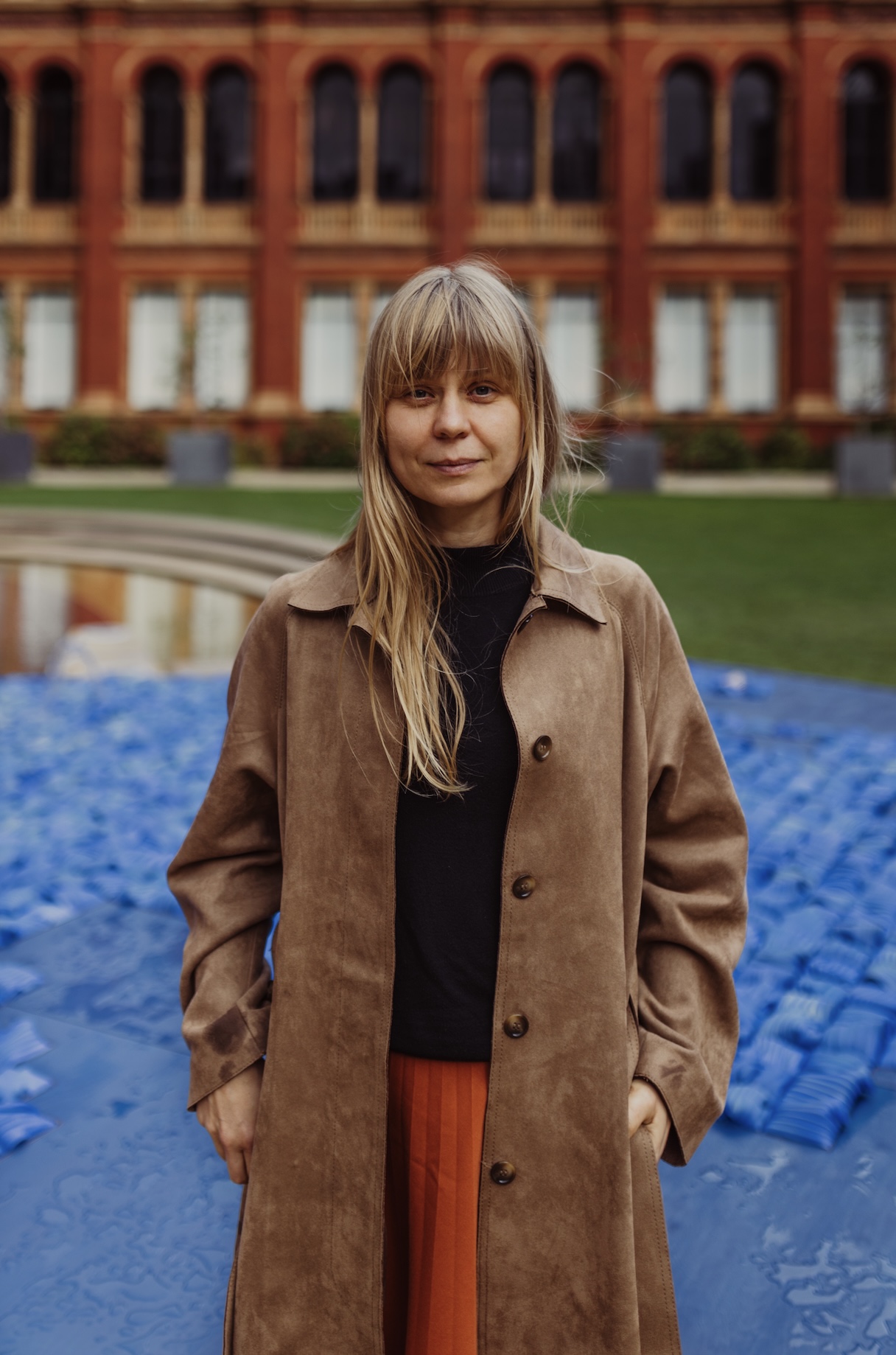
Photography by Alka Murat featuring Alicja Patanowska, The Ripple Effect, V&A
Throughout the year, a series of design interventions produced and co-curated by On&On Designs in partnership with the Ministry of Foreign Affairs in Poland, Polish Cultural Institute and the Let’s Art Foundation presented standout Polish designers in the UK as part of the UK/Poland Season 2025.
Installations and activations have spotlighted standout Polish designers. Curated Connections – Chapter 1 presented UAU Project, Agnieszka Bar, Malwina Konopacka, and Zieta Studio at the Moroso showroom, the project was launched in May during Clerkenwell Design Week and it’s still on view. During the autumn Alicja Patanowska unveiled The Ripple Effect at the Madejski Gardens in the V&A and Curated Connections – Chapter 2 presented the works from Marek Bimer, Formsophy, Aleksander Oniszh and Kaśka Harasym at Mint Gallery. Curated Connections – Chapter 3 is devoted to ceramicist Monika Patuszyńska at Henge’s Brompton showroom, opening this month.
Want to know more? Here is a quick rundown of the Polish designers that have been taking London by storm this year.
1. Agnieszka Bar
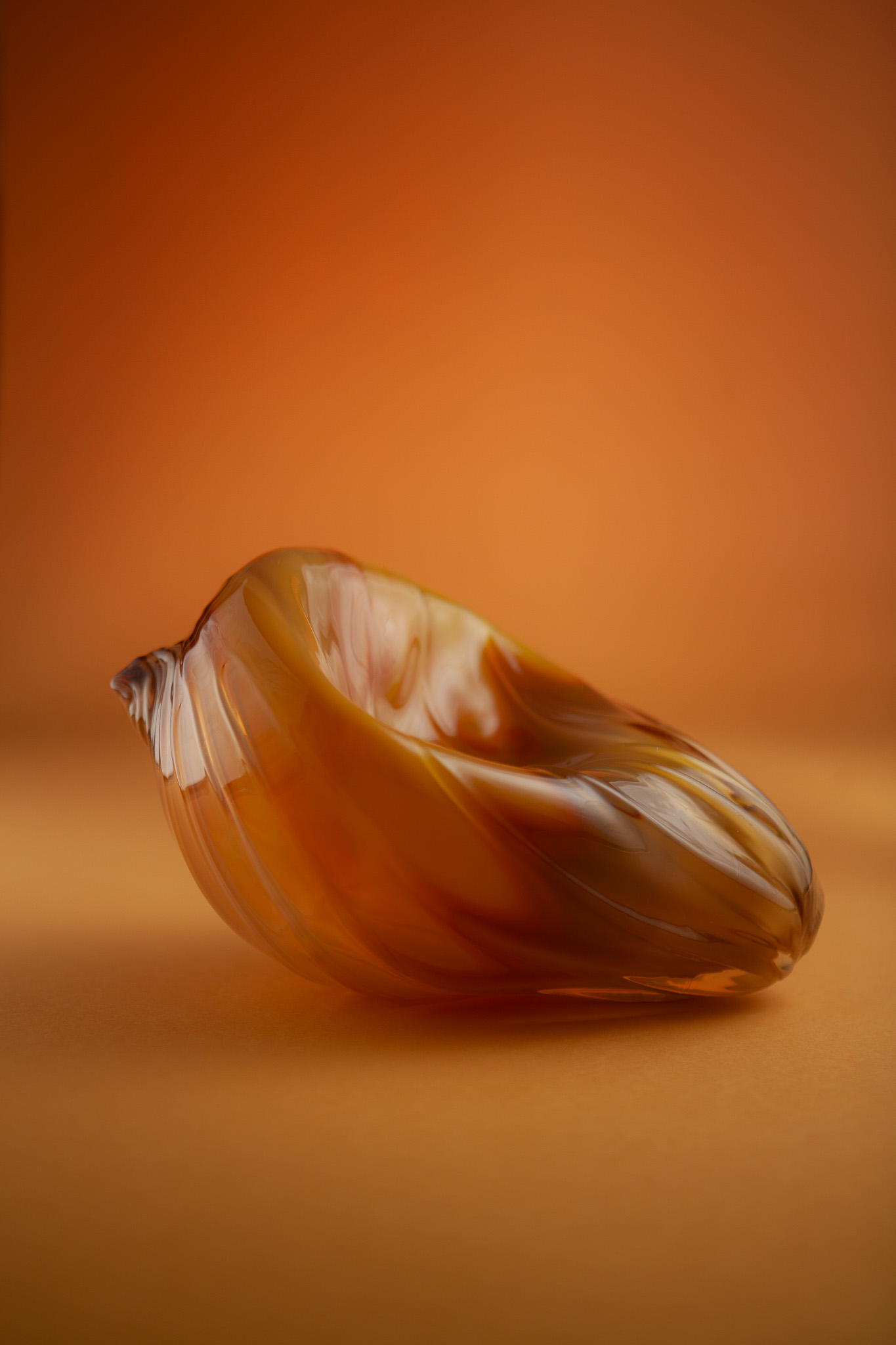
Photography courtesy of Agnieszka Bar
It’s all about glass for Agnieszka Bar. The designer and artist was born and raised in the Sudetes, a mountainous area in southwest Poland renowned for its glass making traditions. Craft featured prominently in her childhood – her father was a woodworker, while her grandmother was a seamstress, making clothes for the family. As she explains on her website: ‘I grew up in the belief that the work of hands is a great value, that the commitment and heart put into the creation of an object gives others the joy of using it.’
Subsequently, she studied at the faculty of ceramics and glass at the Academy of Art and Design in Wrocław, as well as the Academy of Fine Arts and Design in Bratislava and the Technical University in Liberec. In 2009, she co-founded the WZOROWO Design Group with Agnieszka Kajper and Karina Marusinska. Bar first came to prominence in 2007 with her diploma project, Na Palec (On Finger), a collection of utility glassware that is blown into a mould and which contains a smart ergonomic twist. Each piece has a dimple, just the right size for a finger or thumb, that improves the user’s grip. It’s a simple, elegant idea and the glasses and bowls are surprisingly satisfying objects to use.
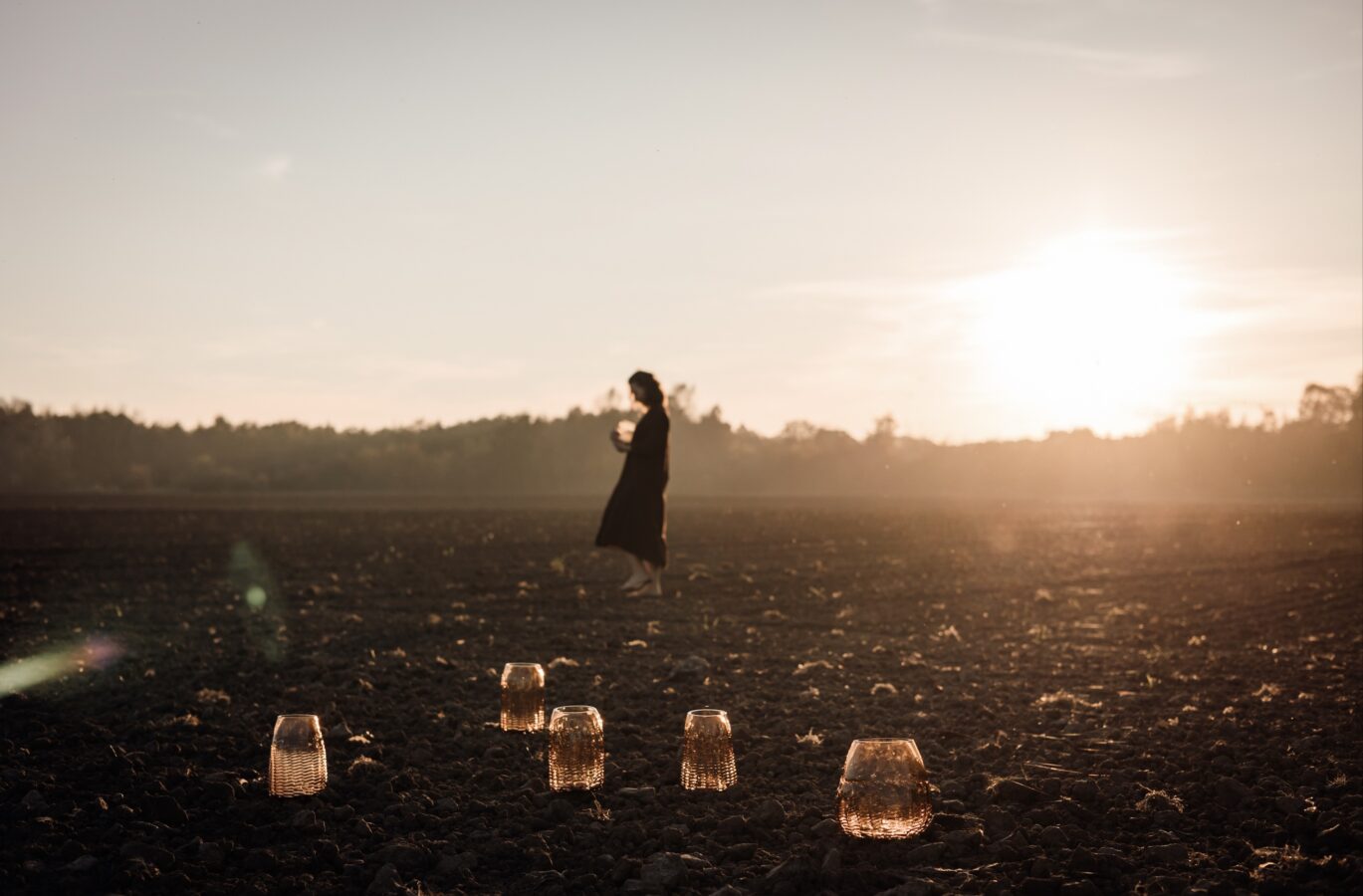
Photography by Dzikie Studio featuring Agnieszka Bar’s Ground
More recently, she has created Vibrant Seeds, a collection of 20 pieces which are based around fragments of text from books. Each object sits alongside a relevant quote. Meanwhile, the Ground series combines two of her passions, glassmaking with basketry, with a sustainable theme. According to Bar, the collection ‘is about the quality that comes from contact with the soil. It teaches us contact with the inner womb, triggers in us a sense of care for ourselves, for others and for the planet.’
Over her career she has exhibited extensively internationally and has won a slew of awards. Her work is also in the permanent collections of the National Museum in Wroclaw, the National Museum in Krakow, and the National Museum in Warsaw.
2. Aleksander Oniszh
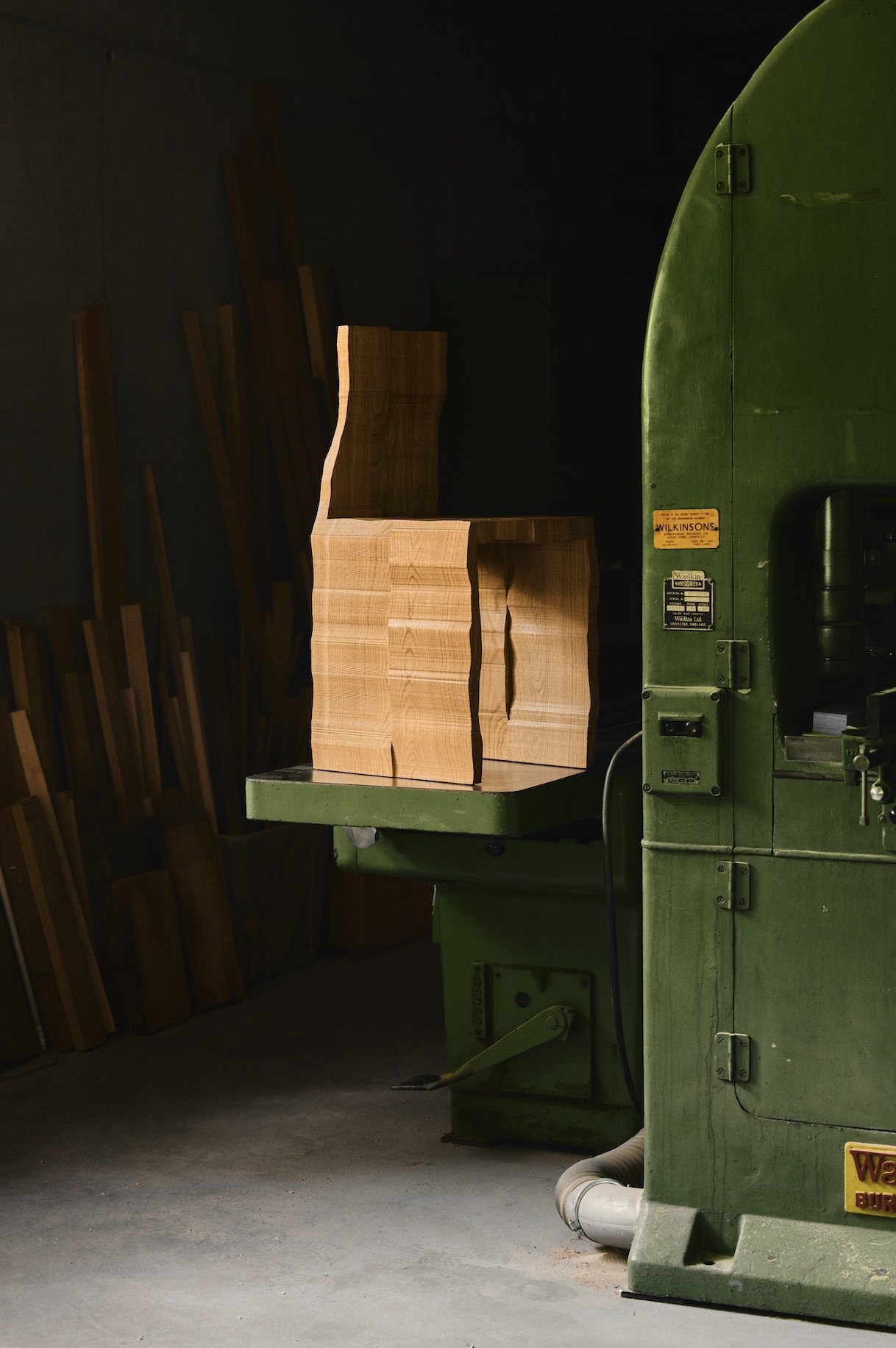
Photography by Tomo Yarmush featuring Aleksander Oniszh’s Folly chair
Aleksander Oniszh is a self-taught furniture designer and maker of functional art pieces. His designs are characterised by a sensuous approach to form and unconventional use of tools. His use of material is based on a deep understanding of the physicality of wood and its structural properties.
At Mint Gallery he presents Folly Chair, the result of the artist’s improvised gestures and the work of a mechanical tool whose oscillations and vibrations were imprinted in wood. The chair is made out of a single piece of timber which undergoes a series of reconfigurations.
Hidden symmetries and patterns are brought back to life while raw wooden elements are carved out into an object. It’s functional and ornamental at the same time. His other piece, Doodle Stool, is both an abstract object and a functional piece of furniture. Drawing on traditions of brutalist movement and folk art, it combines playfulness and simplicity.
3. Alicja Patanowska

Photography by Alka Murat @fot.al, featuring Plantation, Alicia Patanowska
Alicja Patanowska is a ceramic artist and designer whose work blends material experimentation with ecological storytelling. Trained as a potter, her practice is rooted in the physical intimacy of clay – a medium she uses to explore care, transformation, and our relationship with the natural world. Her installations often challenge human-centred perspectives, drawing on post-humanist and materialist thought to reframe how we engage with objects and environments.
At the V&A’s Madejski Garden South Kensington, Patanowska presents The Ripple Effect, a striking installation of 2,000 hand-thrown tiles that form a flowing ceramic landscape. Incorporating industrial waste into the clay body: a reflection on the hidden consequences of copper mining and the ripple effect of consumer choices.
Meanwhile, Plantation — on view at The Urban Farmer in London’s Fleet Street Quarter — transforms discarded drink glasses into hydroponic vessels for herbs and vegetables, paired with delicate porcelain forms. It’s a quiet, ongoing act of care and regeneration. Patanowska’s work, held in major museum collections and exhibited Internationally, continues to push the boundaries of ceramics as both a craft and a conceptual language and affirms her position as a distinctive voice in contemporary ceramics.
4. Malwina Konopacka
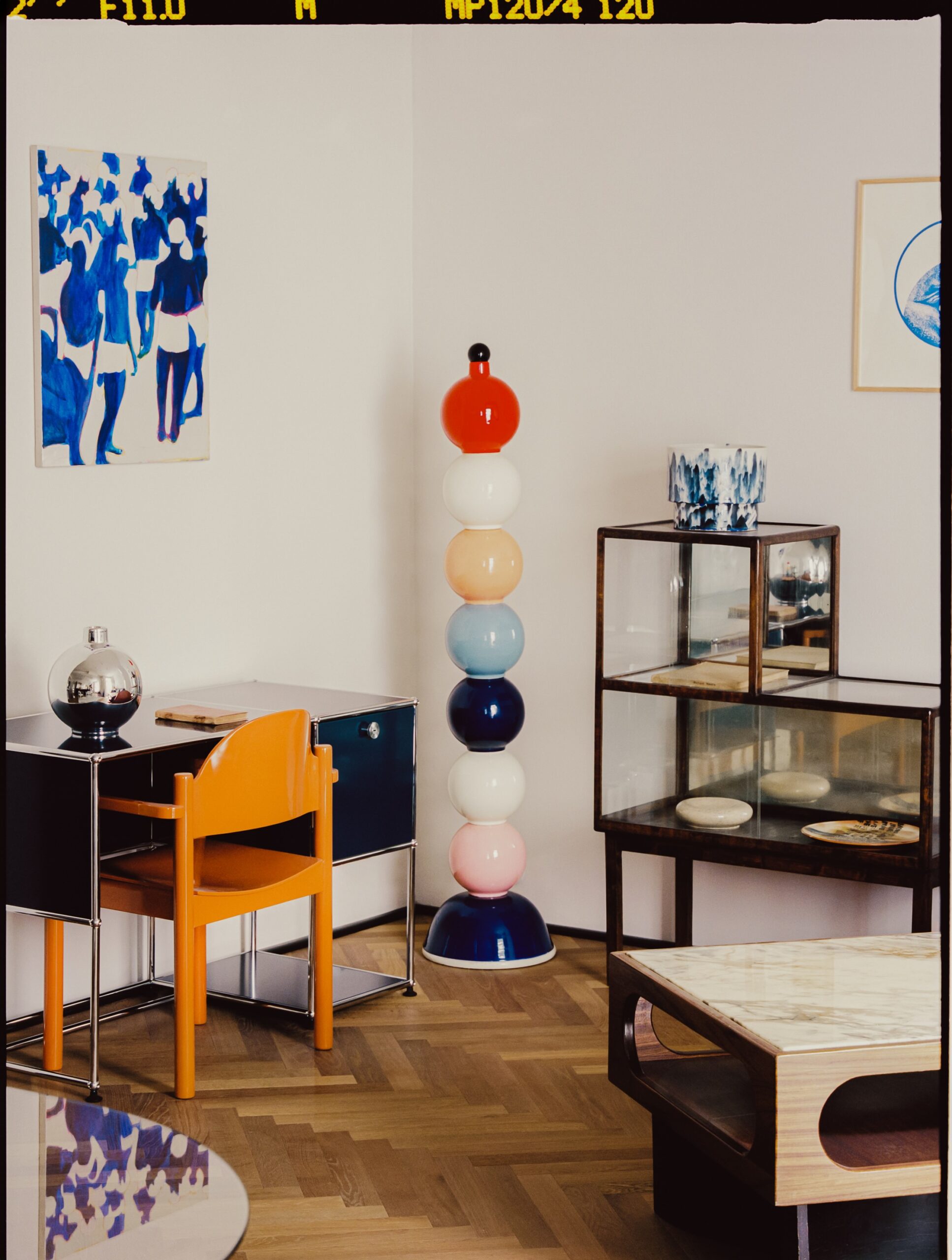
Photography courtesy of Malwina Konopacka
There’s a sense that Malwina Konopacka stumbled into a hugely successful career in ceramics almost by chance. She grew up in an artistic household – her father was an art historian, who also loved to paint. Subsequently, she studied industrial design at the Warsaw Academy of Fine Arts, as well as illustration at the Universitat der Kunste in Berlin. And after graduating, she worked as an illustrator, for the likes of Elle among others. Her renowned OKO family of ceramics had started with a vase when she was a student, however, she didn’t return to the material until 2014.
Initially, she saw it as an extension of her graphic design work, telling one writer: ‘At some point, when I was already immersed in illustration, I thought that a vase could also be a kind of canvas on which to spin a story.’ However, when the piece was exhibited at Tokyo Design Days later that year it garnered so much attention that her entire career took a new course. Eleven years on and the OKO collection has grown extensively. Her pieces – which are often adorned with balls and circles – have an organic, colourful, pop aesthetic and sit somewhere between art and design.
It’s territory you fancy Konopacka feels comfortable in, having the ability to step between the two worlds. In 2018, for example, her piece Teresa came out of a project for the National Museum in Warsaw, which involved 10 leading artists creating designs on one of her vases. It was 78cm high, the same height as her two year old daughter, Teresa, at that time. More recently, to celebrate OKO’s 10th anniversary she launched a series of vases, trays, bowls, mugs and home accessories. Her works are found in numerous private collections and in the design collection of the National Museum in Krakow.
5. Formsophy
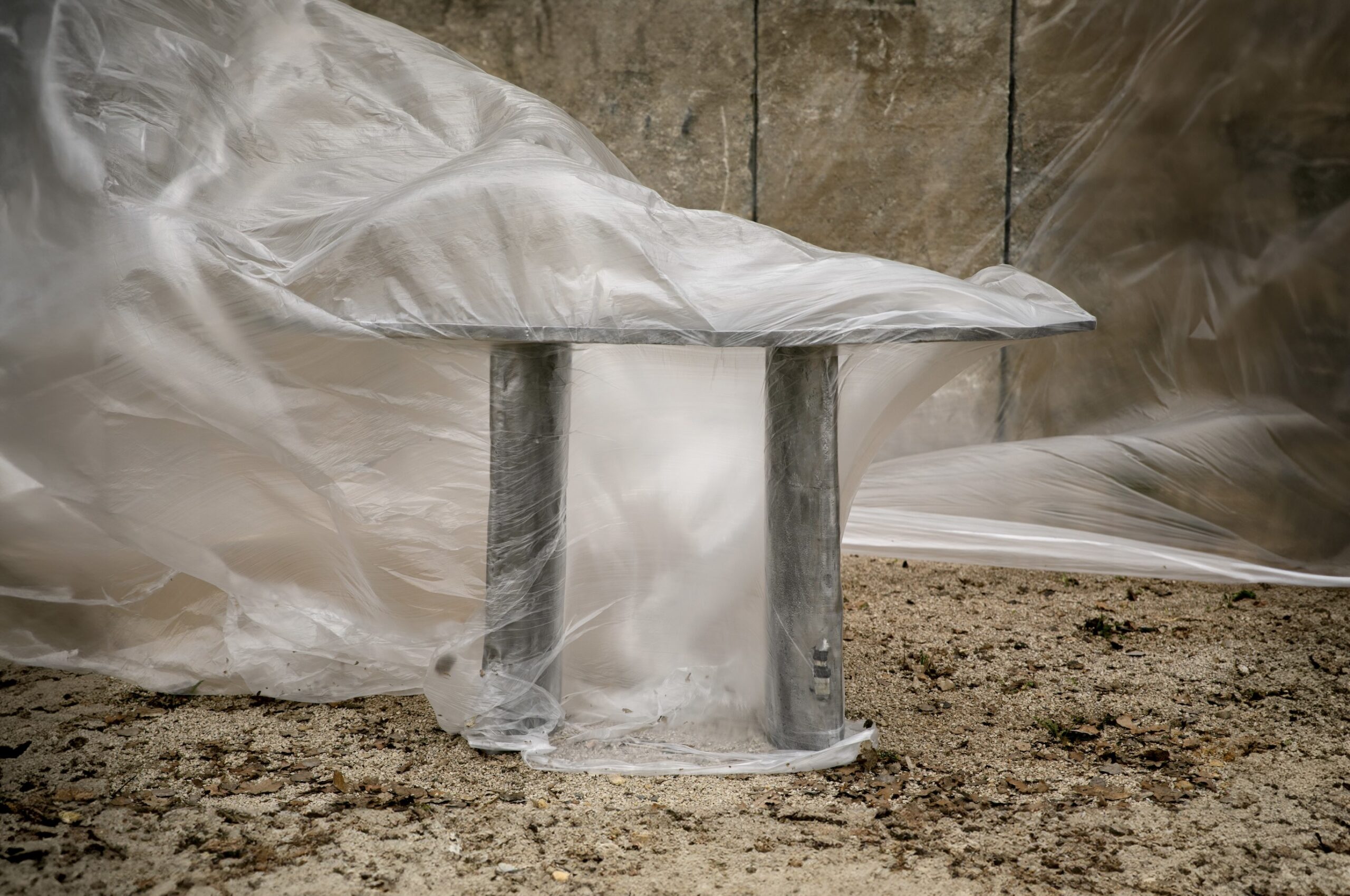
Photography courtesy of Formsophy featuring Saimaa
Formsophy is the artistic practice of Alicja Prussakowska and Jakub Kijowski. The pair is fascinated by textures, materials, and the stories these elements convey. Through a mix of traditional and experimental techniques, the studio creates sculptural objects that juxtapose a primeval aesthetic with exquisite details. In their hands, the casting process transcends mere technique to become a vital aspect of the creative narrative, holding equal importance to the final objects themselves.
At Mint Gallery, as part of the ‘Second Series’ exhibition this autumn they show NAR, a small sculptural object exploring the contrast between raw and refined materials. A solid piece of beige onyx with warm copper undertones is set into a cast aluminium form. The stone’s natural translucency and fractured edges meet the textured surface of metal, creating a quiet dialogue of opposites – warmth and cold, softness and rigidity.
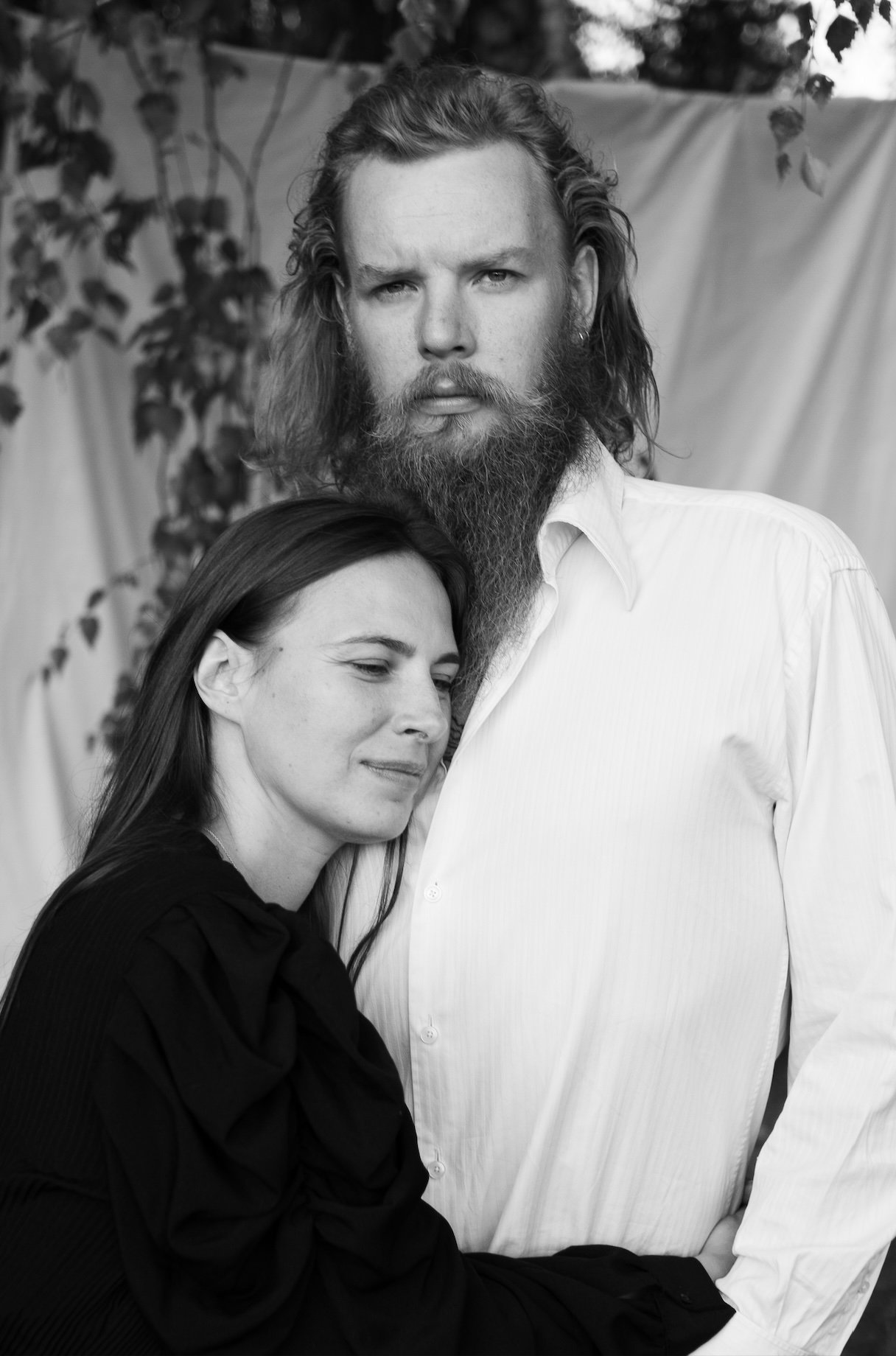
Photography courtesy of Formsophy featuring Alicja Prussakowska and Jakub Kijowski
Though compact, the piece holds a strong presence, balancing material tension with a sense of stillness. Saimaa, meanwhile, is a one-of-a-kind console, cast entirely in aluminium. Its slender, irregular tabletop rests on solid, elliptical legs. The raw texture of the cast aluminium transitions smoothly into sleek, refined surface areas. Embodying an element of primitivism, the console also exudes a distinctly contemporary feel.
6. Kaśka Harasym

Photography by Agniszka Wira featuring Kaśka Harasym
Kaśka Harasym is a Polish glass artist known for her innovative techniques and focus on sustainability. After five years working in glass studios in Spain, she developed a distinctive approach combining lampworking, fusing, and casting. She has a focus on glass upcycling, which she describes as ‘recycling with soul.’
Her piece, Neo crystals, explores memory and transformation through reclaimed lead glass crystal vessels, in which she ‘talks to ghosts’. The project began with a set of damaged traditional crystal dishes she inherited after the death of a close family member.
She melted and reshaped them into new forms resembling ghostly echoes of the past, stretched by time and given new life. The pieces reflect on the passage of time and the emergence of the new from the old, serving as Harasym’s personal dialogue with the tradition of glassmaking.
7. Marek Bimer
Photography courtesy of Marek Bimer
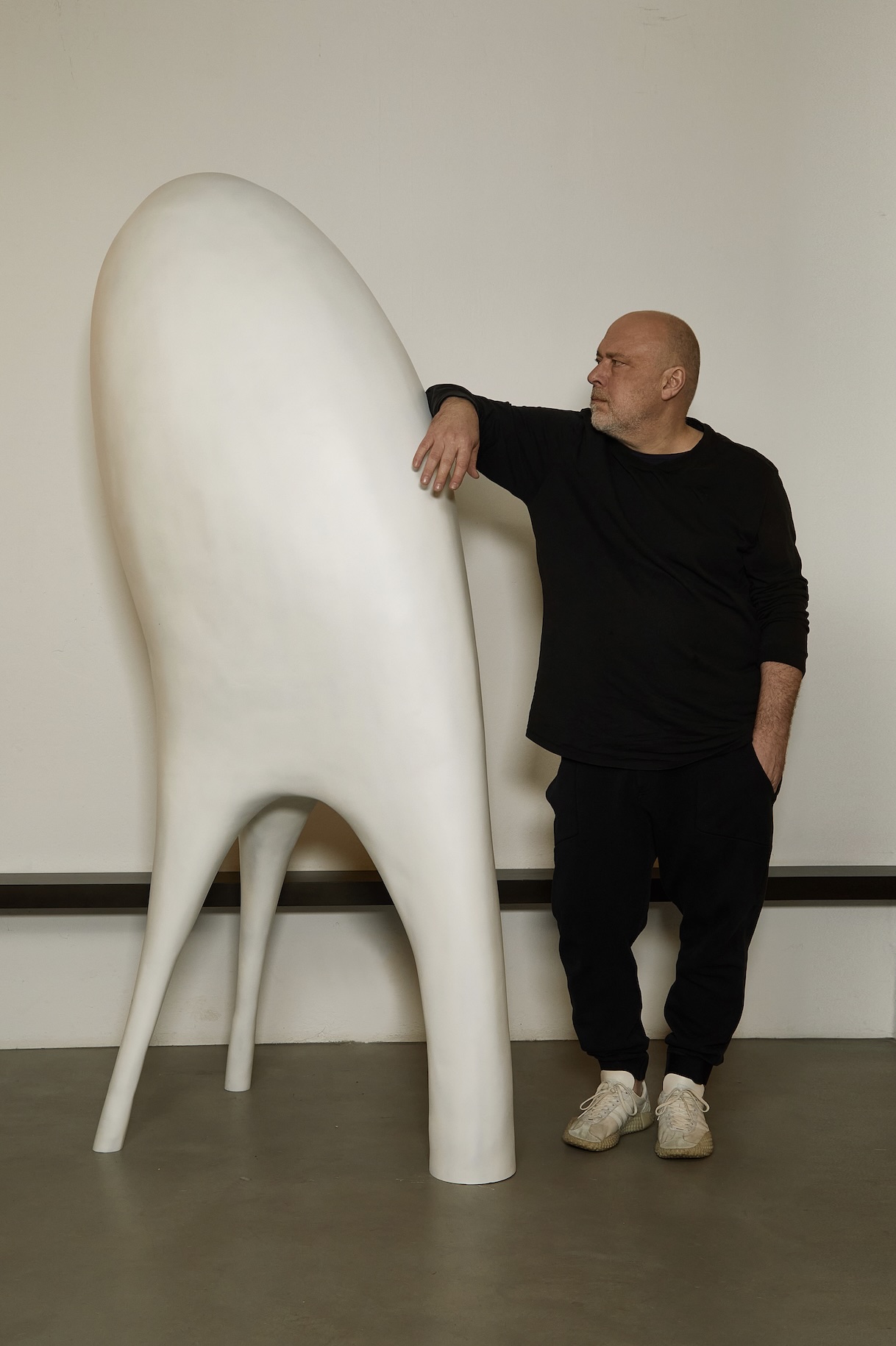
Marek Bimer is a sculptor and designer whose work explores the relationship between form, light, and nature. After a long career as a creative director in advertising, Bimer shifted focus to art, bringing with him a belief that visual communication should be immediate and intuitive. His sculptures are designed to be felt rather than explained, often incorporating internal lighting to create dual states — illuminated and ambient — that interact with their surroundings.
Bimer’s practice is rooted in experimentation. He works with fibreglass and epoxy resin, which uses rust to develop natural patinas. These weathered surfaces give his pieces a raw, organic quality, shaped by rain, wind, and shadow. At Mint Gallery, Bimer presented Cloud Lamp and Cloud Pendant, pieces that evoke atmospheric phenomena and transform spatial perception — modular, ethereal forms that can be installed singly or in clusters.
8. UAU Project
Photography courtesy of UAU PROJECT featuring Furry vase
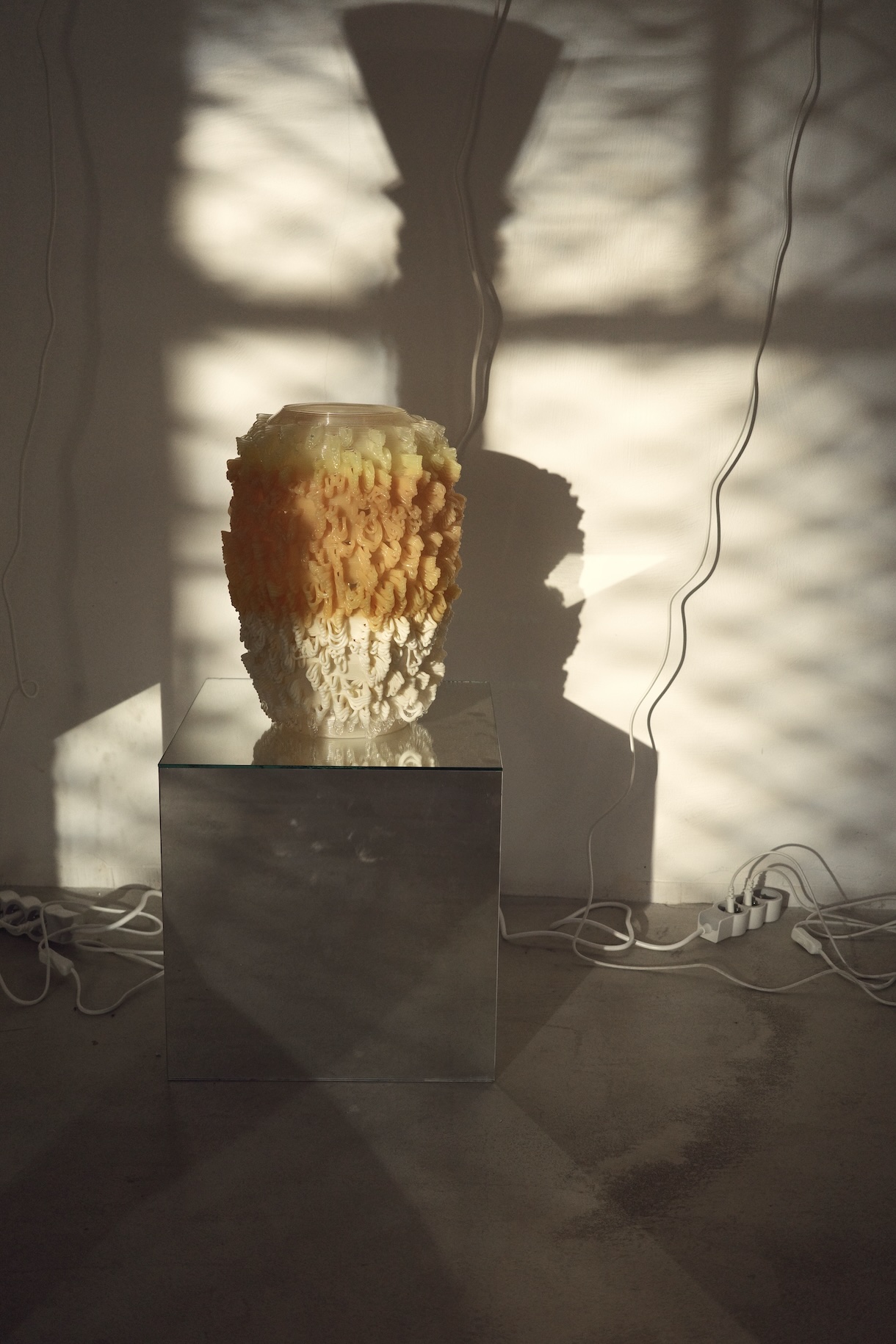
UAU PROJECT is a Warsaw-based design studio founded by Justyna Fałdzińska and Miłosz Dąbrowski that has eschewed the traditional manufacturing route. Instead, all its colourful vessels and vases – which have a ‘Memphis meets techno’ feel – are designed to be 3D printed from plant-based bioplastics. They are recyclable and compostable in industrial facilities, and its production process creates almost no waste – it also means they don’t have stock collecting dust in a warehouse. The duo, who were both born in 1983, graduated from the Academy of Fine Arts in Warsaw – Dąbrowski studied industrial design, while Fałdzińska was in Poster Studio at the faculty of graphic arts – and after working in graphic design, set up the studio in 2011.
It first came to widespread attention with the Bunny Stool, which won a MustHave award at the Łódź Design Festival. As the name suggests, the piece was inspired by the shape of rabbit ears and made from bent plywood. It was charming but didn’t necessarily suggest the path their work would tread in the future. However, by 2016 there was a sense that the studio was hitting its stride. The pair started using algorithms to generate textures for their pieces and experimented with colour. One of the results was GROWW, a miniature single-plant greenhouse with a 3D printed base, which picked up another prize at Łódź. In 2017, the studio showed in Paris and the next year they exhibited in New York before being selected for the Talent section at Frankfurt’s Ambiente International Consumer Goods Fair. Be in no doubt that Fałdzińska and Dąbrowski are at the forefront of a new wave of Polish designers making an impact across the globe.
9. Zieta Studio
Photography by Alka Murat featuring Zieta Studio’s Whispers in London
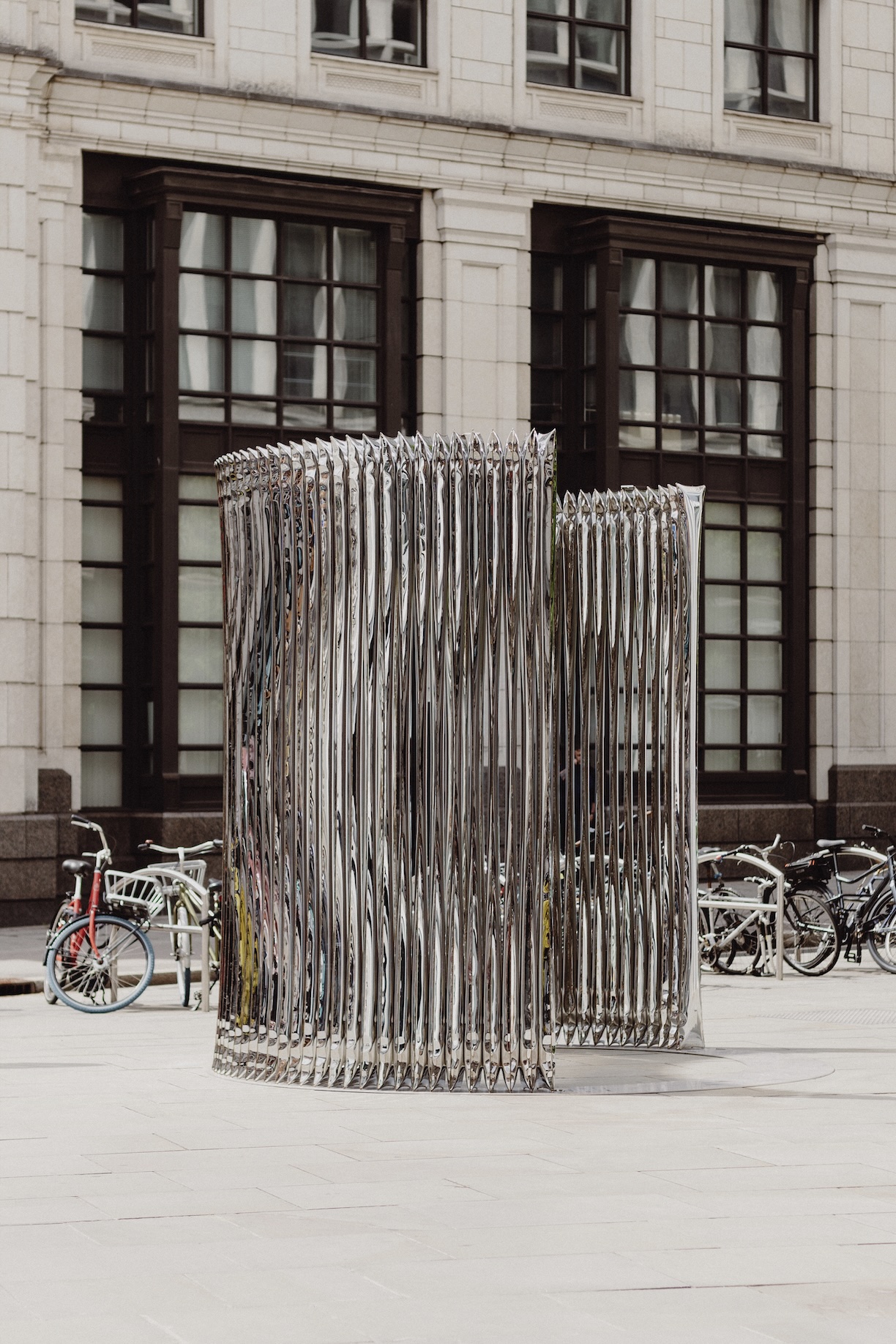
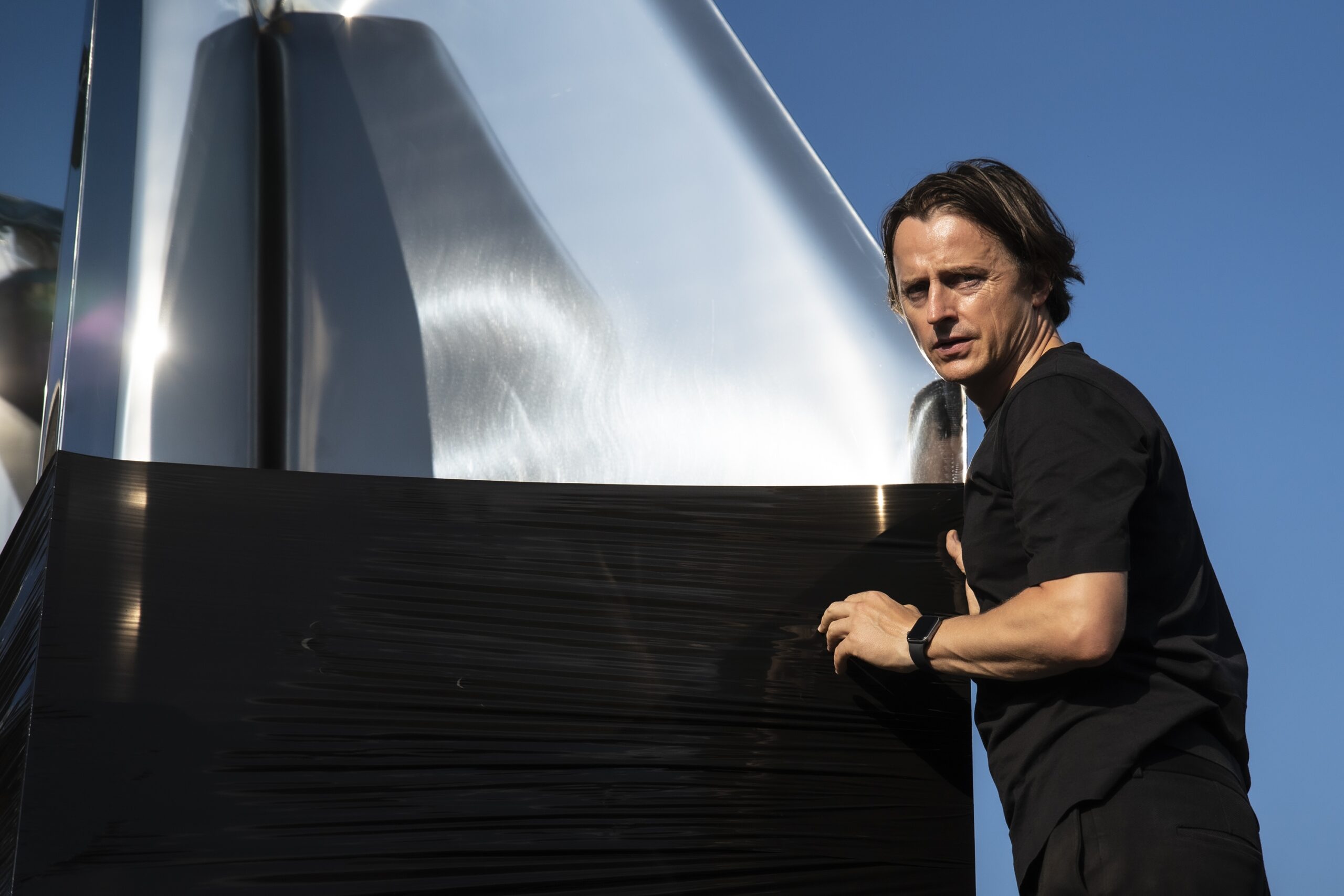
Step into the world of Zieta Studio and two words immediately spring to mind: ‘playfulness’ and ‘joy’. The company, founded by Oskar Zięta in 2007 (and now run by him and his wife Agata Świderska-Zięta), has made an international name for itself over the past two decades by developing a technique for inflating steel – entitled FiDU, derived from the German Freie Innendruck Umformung (Free Internal Pressure Deformation) – that initially produced the delightful, cartoon-like, three-legged stool PLOPP.
Essentially, it works by welding two or more pieces of sheet metal tightly together before injecting air at high pressure, transforming a piece of two-dimensional material into a three-dimensional product. It means Zięta’s pieces are extremely light, as the object is hollow, but also tough because of the material it’s fashioned from. Zięta developed the process while studying for an architecture PhD at ETH Zurich and rather than handing over the piece to a major manufacturer he elected to keep everything in-house. Spool forward to today and Zięta has a production workshop in Zielona Góra and a head office in Wroclaw western Poland and an 80-strong staff.
Photography courtesy of Zieta Studio
The brand first announced itself in the UK during 2009’s London Design Festival as part of the Young Creative Poland exhibition. A year later came Blow & Roll, a huge sculpture in the V&A’s John Madejski Garden. It returned in 2024 with Through Process to Progress, a mid-career survey held at the Brompton-based store of ‘pre-loved’ fashion company, Loop Generation.
Since making that initial splash, the company has gone on to fashion a range of products from the same technique, including mirrors, a fan, a skateboard, furniture such as the jaw-droppingly light ULTRALEGGERA, as well as other artworks and pieces of architecture. Excitingly, the company is also prototyping a new cargo vehicle using its technology. Look out too for its new installation in the Fleet Street Quarter, Whispers, a sculpture unveiled as part of the London Festival of Architecture 2025.
10. Monika Patuszyńska

Photography by Basia Szafrańska featuring Monika Patuszyńska
Monika Patuszyńska is a ceramic artist, designer, and curator whose work challenges the conventions of porcelain. A graduate of the Academy of Fine Arts in Wrocław, she is known for embracing imperfection, accident, and transformation as central to her process. Her pieces often emerge from broken or reassembled moulds, resulting in sculptural forms that are raw, expressive, and unapologetically unconventional.
Patuszyńska describes herself as an ‘explorer of abandoned spaces and untried paths,’ working in environments that shape the outcome of her ceramics. She rejects the notion of porcelain as smooth and submissive, instead treating it as a proud, independent material with its own voice. Her series such as TransForms Plus and Genealogy reflect this ethos, revealing works that are both poetic and visceral. At Henge London showroom, she’s presenting new works that reflect her ongoing exploration of form, process, and the beauty of the unexpected.
Get a curated collection of architecture and design news like this in your inbox by signing up to our ICON Weekly newsletter