Following Broken Nature in 2019, which tackled themes of sustainability, the international cultural institution spotlights the world’s growing inequalities with 24th International Exhibition
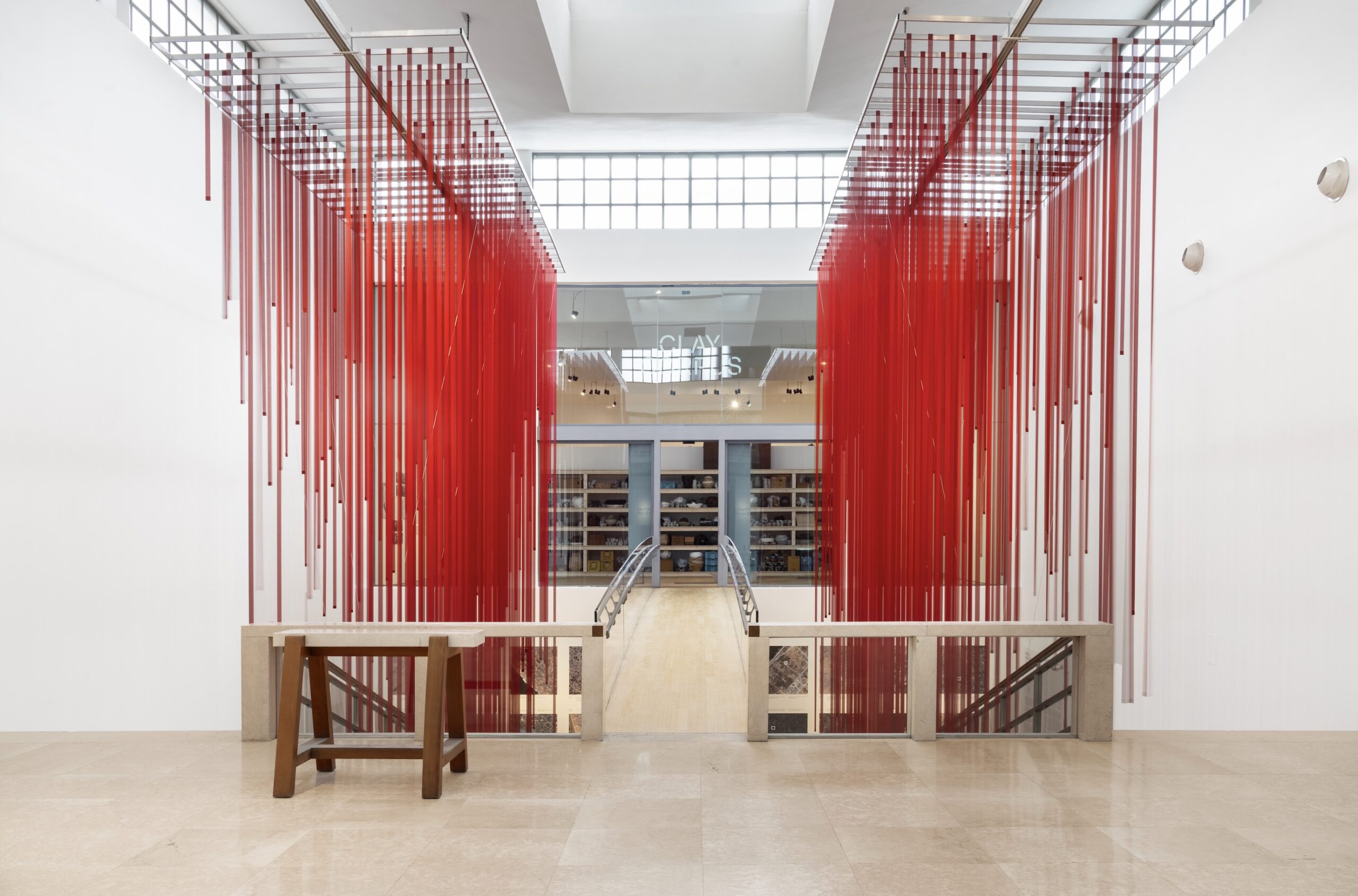
Photography by Alessandro Saletta and Agnese Bedini, DSL Studio, courtesy of Triennale Milano featuring 471 Days by Filippo Teoldi. The installation captures the humanitarian catastrophe and war in Gaza, including the death toll from October 7th 2023 until the fragile truce of January 19th 2025
Words by Jessica-Christin Hametner
Global income and wealth inequality are on the rise. Worsened by widened health disparities, systemic inequities in education and growing social unrest, these issues have become defining features of our time.
The 24th International Exhibition at the Triennale Milano, which opened 13 May 2025 and runs through 9 November 2025, takes on inequality in all its forms. Titled Inequalities, the exhibition examines the deep divides shaping much of today’s world, from economic to geographic to ethnic and gender.
Founded in 1923 in Monza and relocated to Milan’s Palazzo dell’Arte a decade later, a building designed by architect Giovanni Muzio specifically for the event, the Triennale has long served as a place for cultural dialogue.
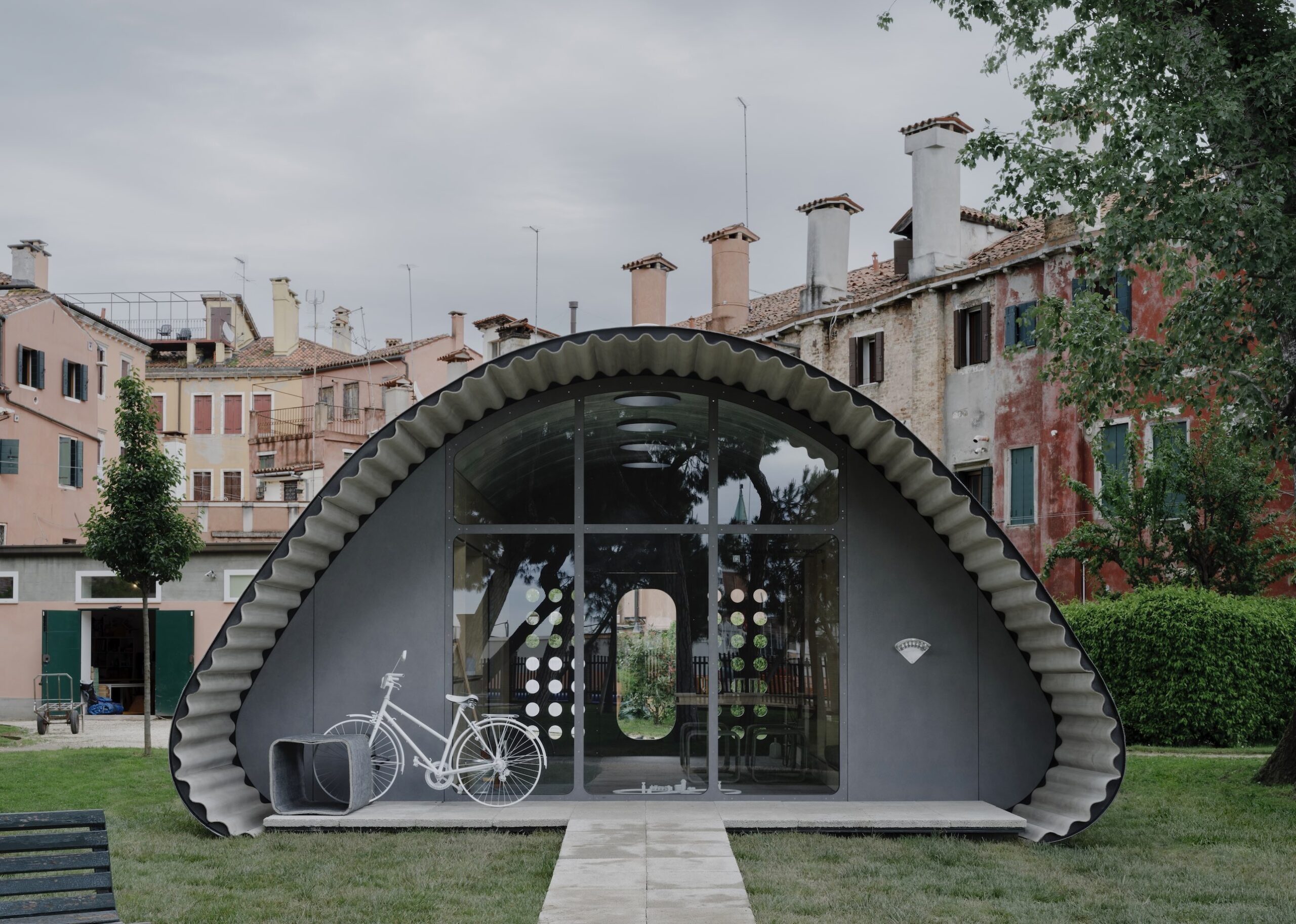
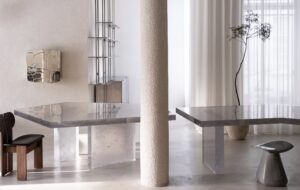
Photography by Pablo Gómez-Ogando, courtesy of the Norman Foster Foundation, featuring Essential Homes Research Project
Its often thought-provoking exhibitions have explored sociocultural shifts through contemporary design and architecture, reflecting evolving values, norms and collective beliefs.
The latest edition is no exception. Bringing together some of the most influential figures in the international art, architecture and cultural scenes such as Norman Foster, Beatriz Colomina and Hans Ulrich Obrist, the 24th International Exhibition invites critical discussion around the theme of inequality.
Through site-specific installations, ambitious projects and international participations, the show probes systems and structures shaping our lives. From cities to bodies and from infrastructure to microbial ecosystems, it shows how inequality manifests and persists.
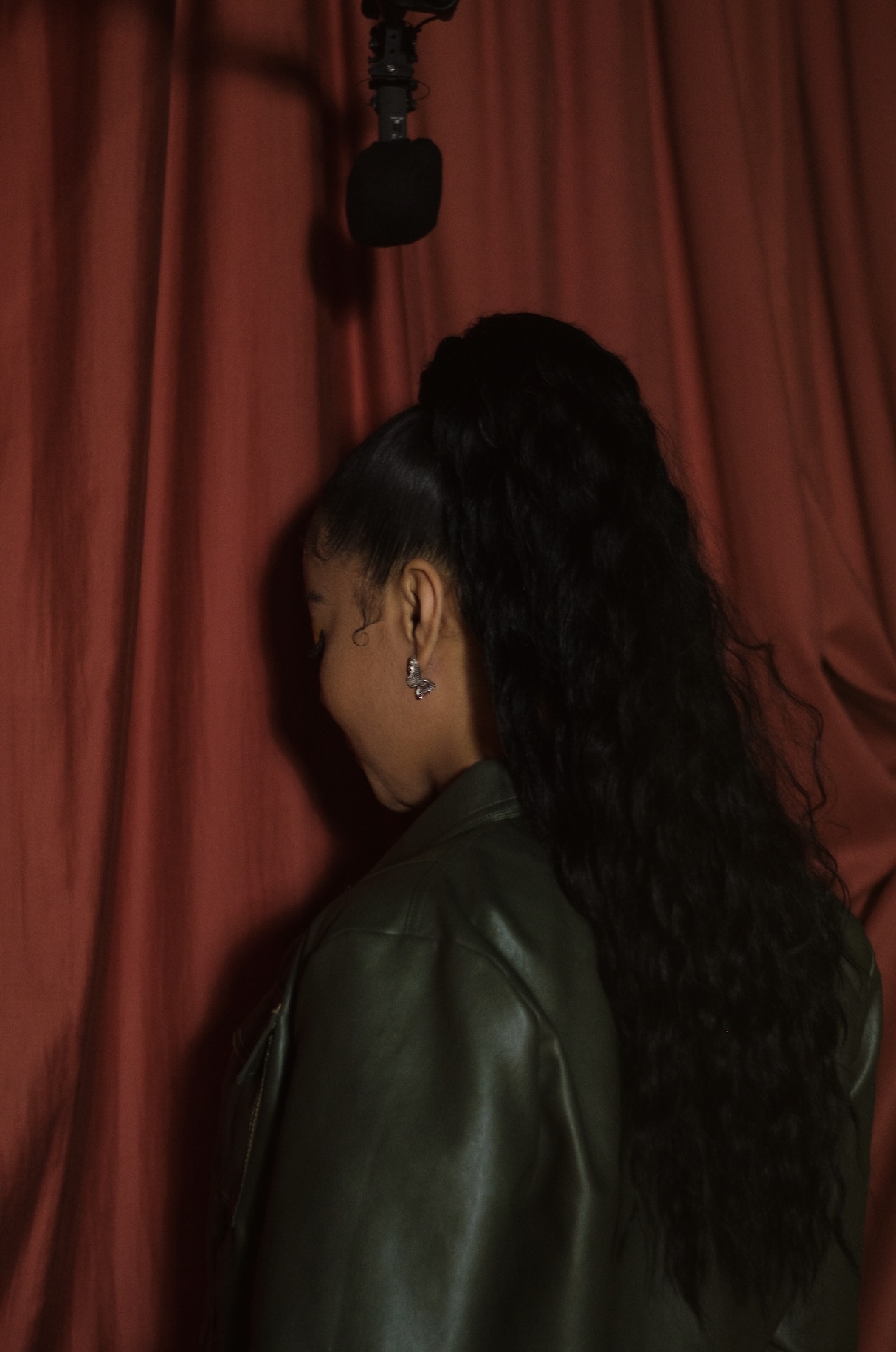
Photography by Matthew Ritson, courtesy the artist and Serpentine, London, featuring Sonia Boyce, Yes, I Hear You, Production Still, 2021, which focuses on the lived experiences and resistance of workers and groups whose voices are rarely or never heard in the media
‘The focus extends from cities and spaces to bodies and lives,’ says Stefano Boeri, president of Triennale Milano. ‘The exhibitions explore how immense wealth is now concentrated in the hands of a few – and how, for millions around the world, being born into poverty has become an irreversible fate.’
Spread across 7,500 sq m and two floors, the exhibition includes eight thematic sections, curated by 28 figures including Nina Bassoli, Maurizio Molinari and Beatriz Colomina. It features the works of 341 authors from 73 countries.
For the first time, five Milanese universities are also participating, including Università degli Studi di Milano-Bicocca, Università Bocconi, Università Cattolica del Sacro Cuore, Politecnico di Milano, and Università degli Studi di Milano. According to Nina Bassoli, curator for architecture, urban regeneration and cities at Triennale Milano, their involvement brings ‘data, good practices, tentative solutions and alternative perspectives to those that already exist.’

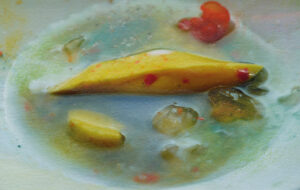
Photography courtesy of ArtNoble, featuring Jim C. Nedd, ‘Broken Promises’, 2023, Fine art print on Canson Platine Fibre Rag, custom steel frame 70 × 100 cm
The exhibition is organised around two separate yet interconnected themes. On the ground floor, the focus is on the geopolitics of inequality, or how cities and infrastructure shape access, mobility and survival. This section examines the architecture of our surroundings and the urban structures that influence where and how we live.
Among the exhibits, Cities examines how wealth and poverty are impacting urban life across the world. With nearly 60 per cent of the global population now living in cities, this number is expected to reach 70 per cent within three decades.
Bassoli’s curatorial lens centres on how urban planning and architecture can redress inequality. ‘We chose this quite strong statement focusing on inequalities,’ she explains, ‘and then expanded the conversation by examining the issue from many perspectives.’
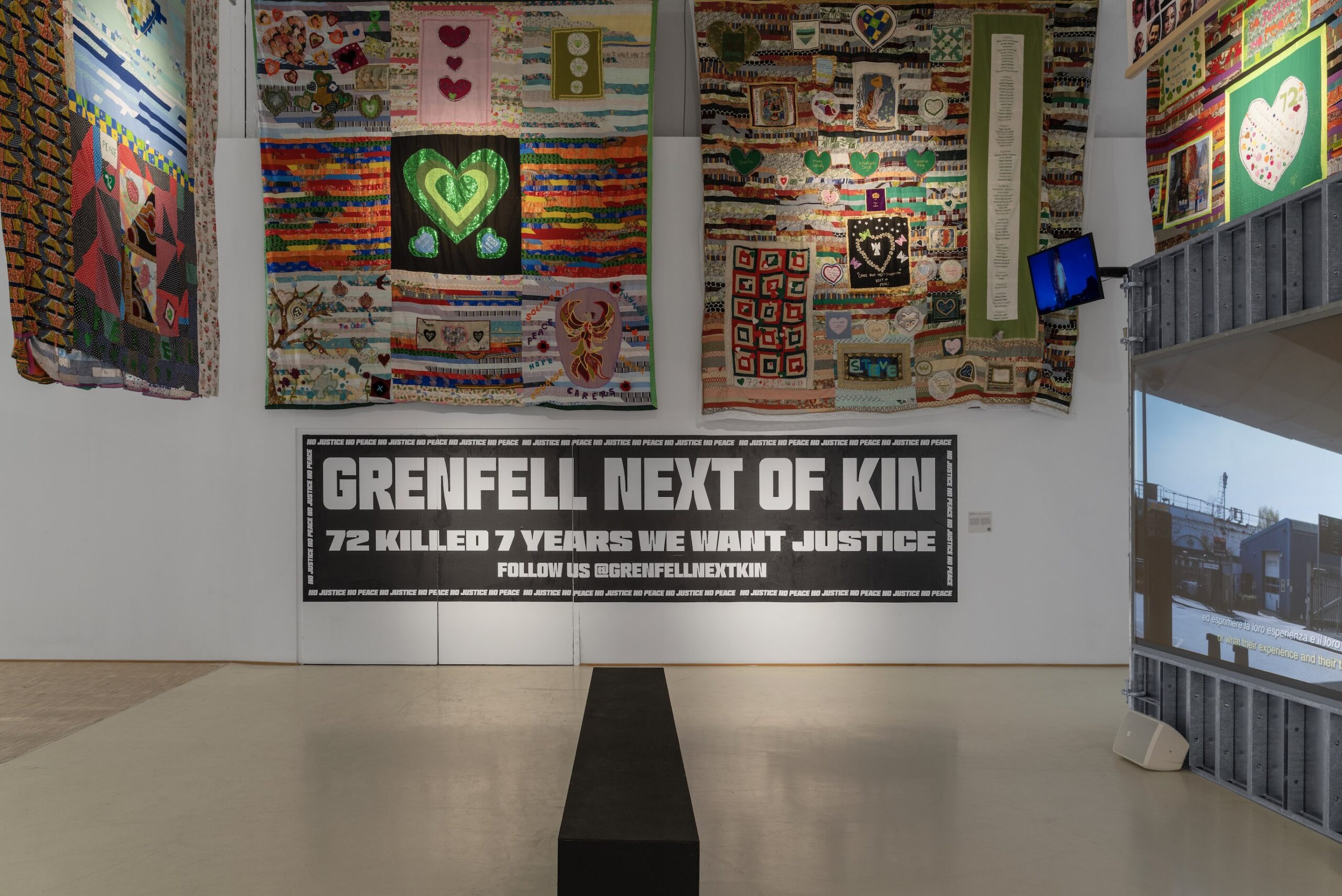
Photography by Delfino Sisto Legnani, DSL Studio, courtesy of Triennale Milano featuring Cities, Grenfell Next of Kin
One such installation comes from Grenfell Next of Kin (GNoK), a platform which advocates for the immediate families of those who were killed in a fire that took hold of a 23-storey tower block in North Kensington, London on June 14, 2017. It highlights the deep inequalities within our modern urban society.
‘For me, it’s been an incredible experience working with GNoK,’ shares Bassoli. ‘It was a unique opportunity and different from the usual collaborations with artists and architects showing their own work. But in this case, we were engaging with an association, and with a very delicate, fragile and powerful situation rooted in real life and feelings. I am really proud and grateful that we were able to work together with the association.’
Cities acknowledges tragic events like the Grenfell Tower fire in London, but it also presents realised projects that prove another world is possible. ‘The idea is to show things that are already happening,’ adds Bassoli. ‘To show that alternative paths to development do exist and there are paths that directly confront the dramatic inequalities shaping our cities today.’

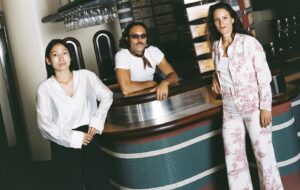
Photography courtesy of Politecnico di Milano, Triennale Milano, featuring Not for Her: AI Revealing the Unseen, which through artificial intelligence brings to light the disparities related to gender in the work environment
She continues: ‘Even if these examples come from places that may seem remote or overlooked, they challenge dominant narratives. The aim is to rethink geopolitics, to recognise that viable alternatives are already out there and to search for new models of development, ones that break from the systems that brought us to this point.’
Among the featured projects is an ambitious initiative on Inujima in Okayama, a remote island off the coast of Japan in the Seto Inland Sea. Once sustained by thriving stone quarries, Inujima was home to over 4,000 residents at the turn of the 20th century. Today, that number has dwindled to fewer than 30 households.
Launched in 2008, the project is a sustained collaboration between architect Kazuyo Sejima, curator Yuko Hasegawa and the Fukutake Foundation. Together, they have reimagined the island as a site of care and cultural renewal. Their approach focused on introducing a series of contemporary art spaces, distributed across the village and each with its own garden.
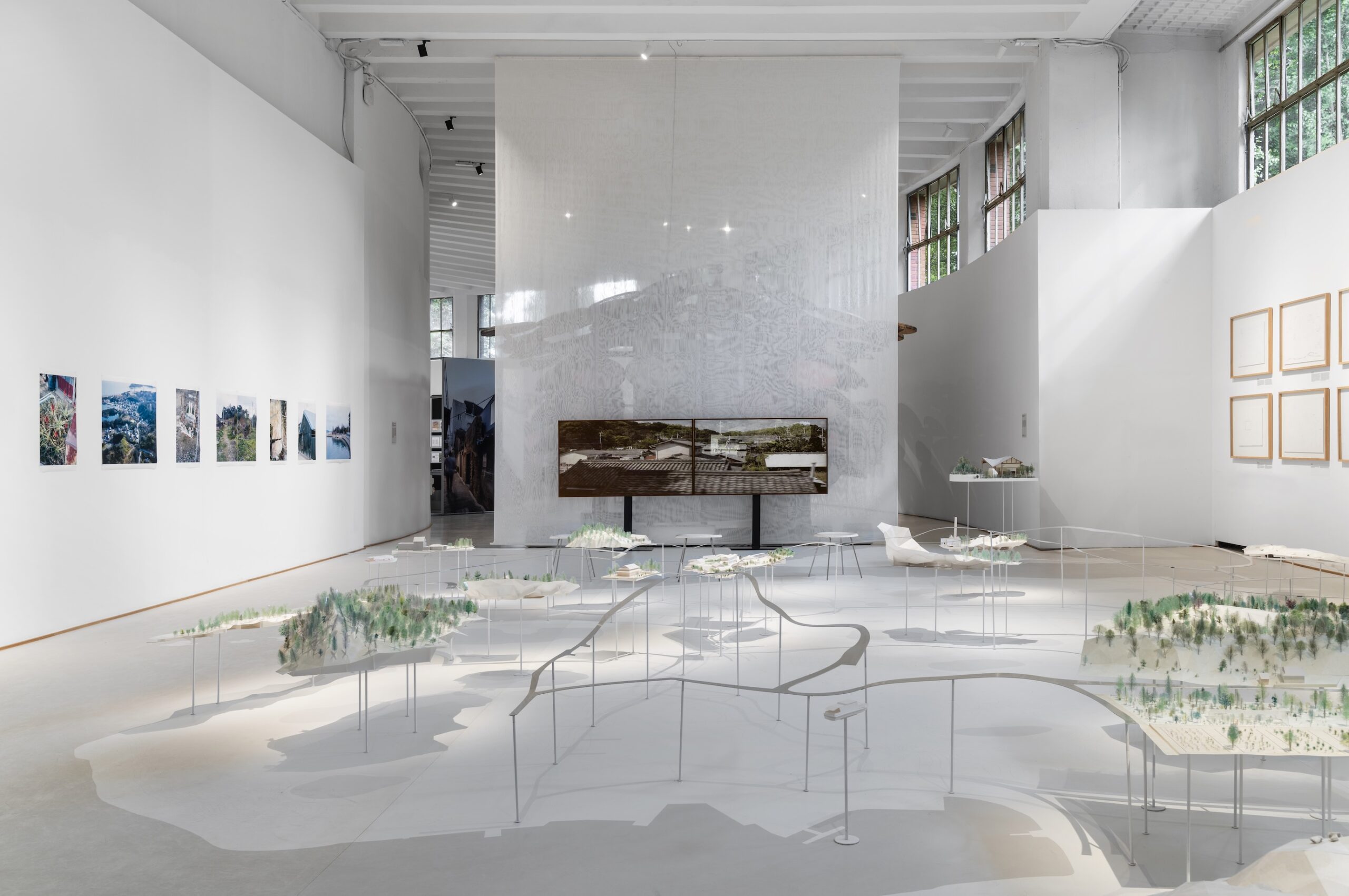
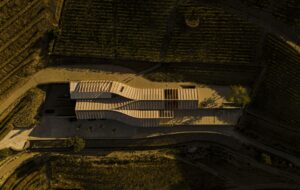
Photography by Alessandro Saletta and Agnese Bedini, DSL Studio, courtesy of Triennale Milano featuring Cities, Inujima Project, an ongoing collaboration between architect Kazuyo Sejima, curator Yuko Hasegawa and the Fukutake Foundation
Where possible, existing houses were sensitively restored, with timber structures reinforced and interior spaces opened up. Over time, Kazuyo Sejima and Associates began to extend its vision for Inujima beyond art, toward education and engagement. A series of workshops followed, drawing students from around the world to immerse themselves in island life, learning about local ecology and community life through hands-on experience.
In its current phase, the project takes a further step towards sustainability as traditional cottages are being converted into rental accommodations, offering artists and visitors alike the opportunity to remain on the island for longer periods.
Upstairs, the focus shifts from geopolitics to biopolitics. Here, the exhibition shows how control over our bodies and biological systems manifests in biodiversity, longevity, gender and even microbial life. We the Bacteria, in particular, reframes architecture from human-centred design to a microbial view.
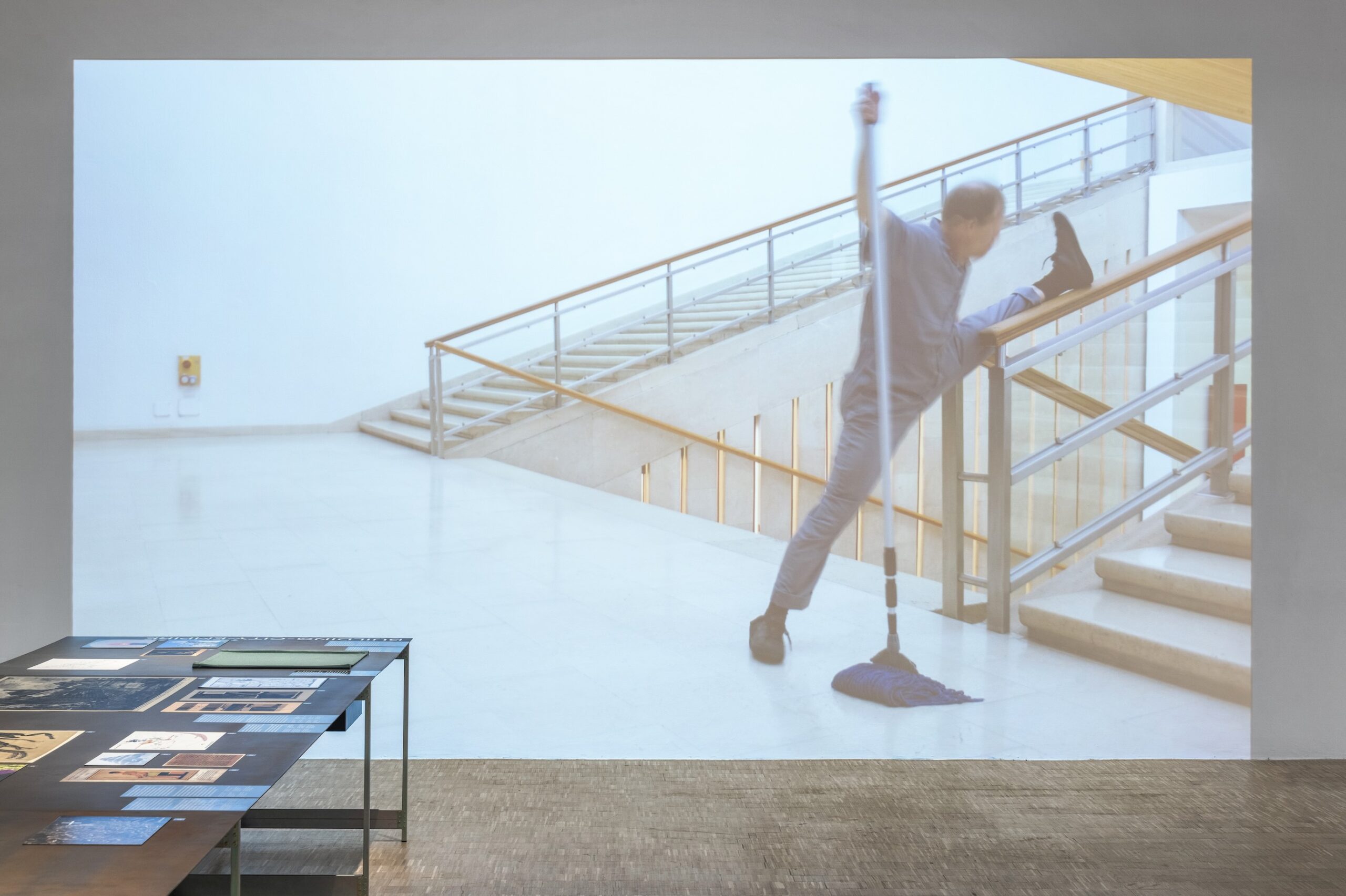
Photography by Delfino Sisto Legnani, DSL Studio, courtesy of Triennale Milano featuring We the Bacteria: Notes Toward Biotic Architecture, which explores the ‘diseases of the built environment‘
With microbial diversity in the human body now estimated to be 50 per cent lower than that of our ancestors, the exhibition traces the story of microbes from the depths of the Earth to the edge of space, across a timeline that spans 4.2 billion years.
Visitors are introduced to their “microbial condition” and the exhibit demonstrates how buildings, bodies and ecosystems are interconnected. In its final section, nine international design teams, working in collaboration with microbiologists, propose speculative futures of living with microbes.
Among the highlights is Terra (2025), a bio art piece by the Danino Lab at Columbia University, cultivated from soil samples collected in and around Milan. Then there’s researcher and biodesigner Marjanne Cuypers, who presents SeaWood Materials: BlueBlocks (2025), a series of fibreboards made from seaweed. Designed for use in construction, interior design and acoustic wall treatments, the panels suggest an ecologically responsive alternative to conventional building materials.
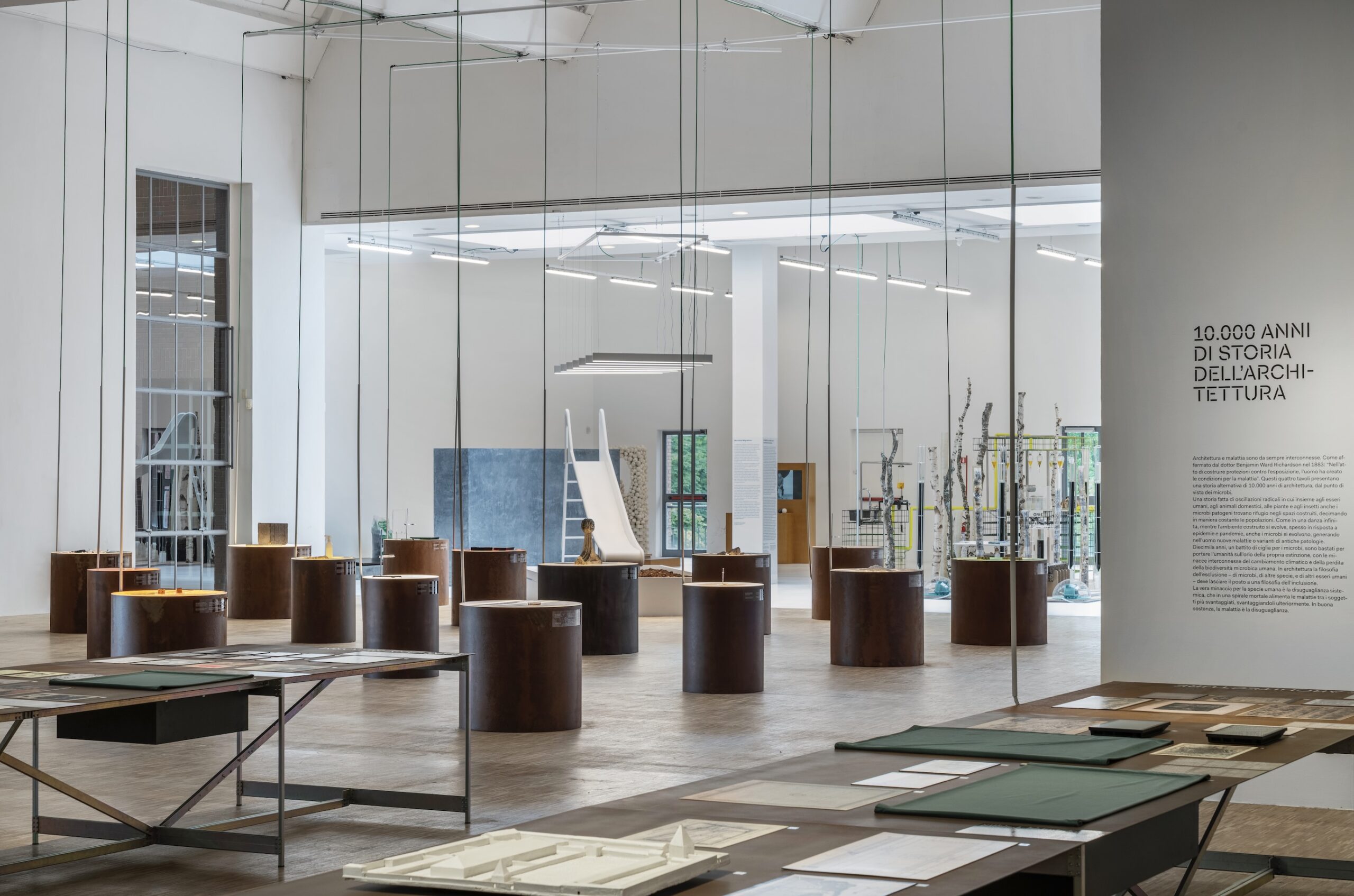
Photography by Delfino Sisto Legnani, DSL Studio, courtesy of Triennale Milano featuring We the Bacteria: Notes Toward Biotic Architecture, which features the works of nine different studios
Connecting the two thematic floors is 471 Days, a striking staircase installation by London-based visual artist Filippo Teoldi. The piece documents the mounting death toll in Gaza, serving as what Bassoli calls ‘a brutal reminder of the human cost of conflict.’
‘There is a terrible link between geopolitics and biopolitics through the shared reality of death,’ says Bassoli of Inequalities. ‘This is something we decided to focus on for the exhibition. It’s been difficult to show something so terrible. However, it felt necessary because this is happening now and we can’t look away.’
She continues: ‘Inequalities is an opportunity for research, for dialogue among all the contributors to the exhibition and for the development of their individual projects,’ says Bassoli. ‘It’s a chance to build a global network of good practices. I like to think of the exhibition as a kind of laboratory.’

Photography by Delfino Sisto Legnani, DSL Studio, courtesy of Triennale Milano featuring A Journey Into Biodiversity. Eight Forays on Planet Earth
‘It was wonderful to see, even at the opening, how architects were engaging with each other’s work,’ she adds. ‘That, to me, is part of our mission as an institution: not only to show the public what’s happening around the world, but also to serve as a hub of ideas and research, to help generate something new. That’s an essential part of what we do.’
The 24th Triennale Milano International Exhibition Inequalities opened on 13 May 2025. The exhibition will remain on view until 9 November 2025.
Get a curated collection of design and architecture news in your inbox by signing up to our ICON Weekly newsletter