
The Biennial of Photography on industry and work returns with a citywide edition dedicated to the theme of home. Running from 7 November to 14 December under the artistic direction of Francesco Zanot, eleven exhibitions unfold across seven venues in Bologna’s historic city centre
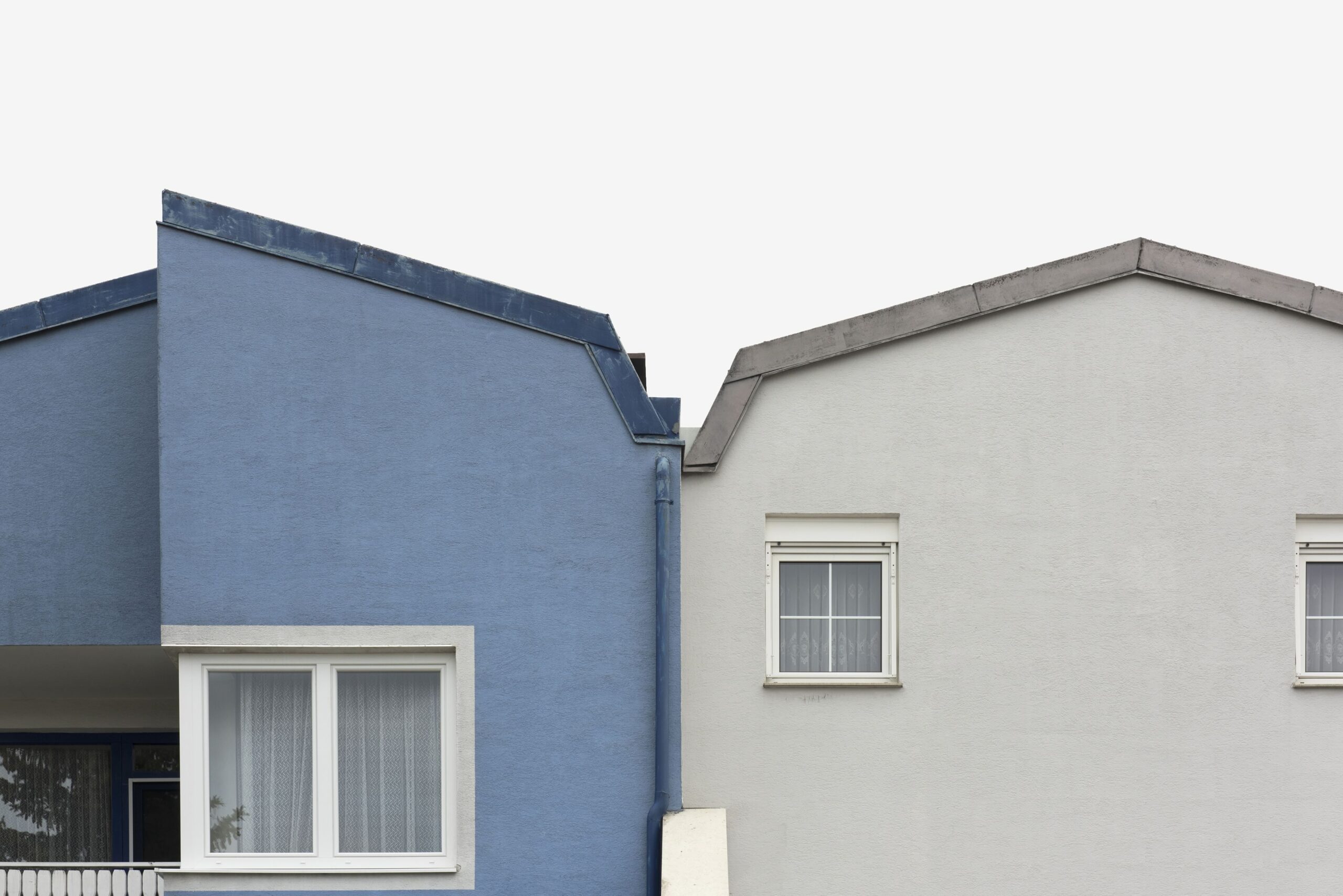
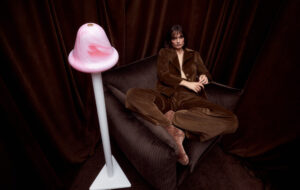
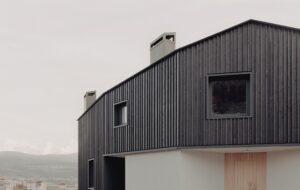
Photography courtesy of Foto/Industria, by Julia Gaisbacher, featuring My Dreamhouse is not a House
Home. The house, the space we inhabit, the place that shapes our sense of belonging – this is the focus of the seventh edition of Foto/Industria, the Biennial of Photography on industry and work. Organised by Bologna’s Fondazione MAST and curated by Francesco Zanot, the event once again extends its reach across the city, engaging the public through exhibitions, talks and workshops.
Unfolding across eleven exhibitions in seven venues throughout Bologna’s historic city centre, this year’s edition is accompanied by a twelfth addition, Living, Working, Surviving, a major presentation by Canadian photographer Jeff Wall at Fondazione MAST.
Marking a new chapter in Foto/Industria’s ongoing exploration of photography, industry, work and technology, it approaches domesticity as a place of production, negotiation and lived experience, the organisers explain.
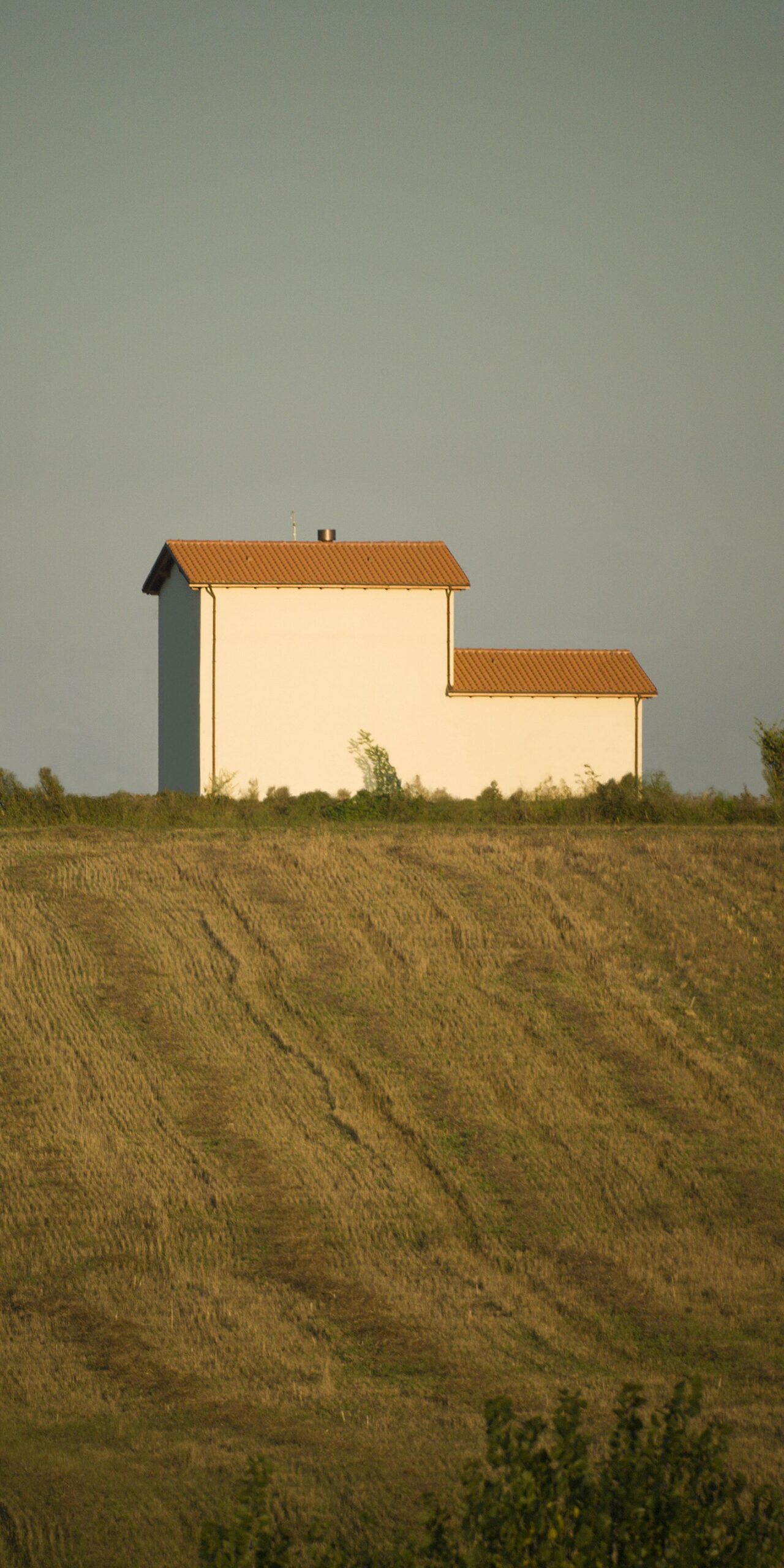
Photography courtesy of Foto/Industria, by Moira Ricci featuring Dove il cielo e piu vicino Poderi
Photographers and artists have long turned to the home to understand how we live, examining architecture from vernacular dwellings to sprawling megalopolises, while probing its psychological, economic and political dimensions. Home can shelter or confine, reflect prosperity or crisis, nurture identity or expose inequality. And as climate change reshapes how we design and inhabit domestic spaces, the subject has become ever more urgent.
‘These are universal themes,’ notes Zanot. ‘The exhibitions reveal the complexity of home. It is an extension of our body, a set of memories, objects and atmospheres. But it is also a place, territory, a space to which we belong.’
Foto/Industria 2025 brings these themes to life through a citywide programme of exhibitions. Eleven shows and more than 500 works form a visual timeline of domesticity from the early 20th century to today, showing how the idea of home shifts across geography, history and culture.
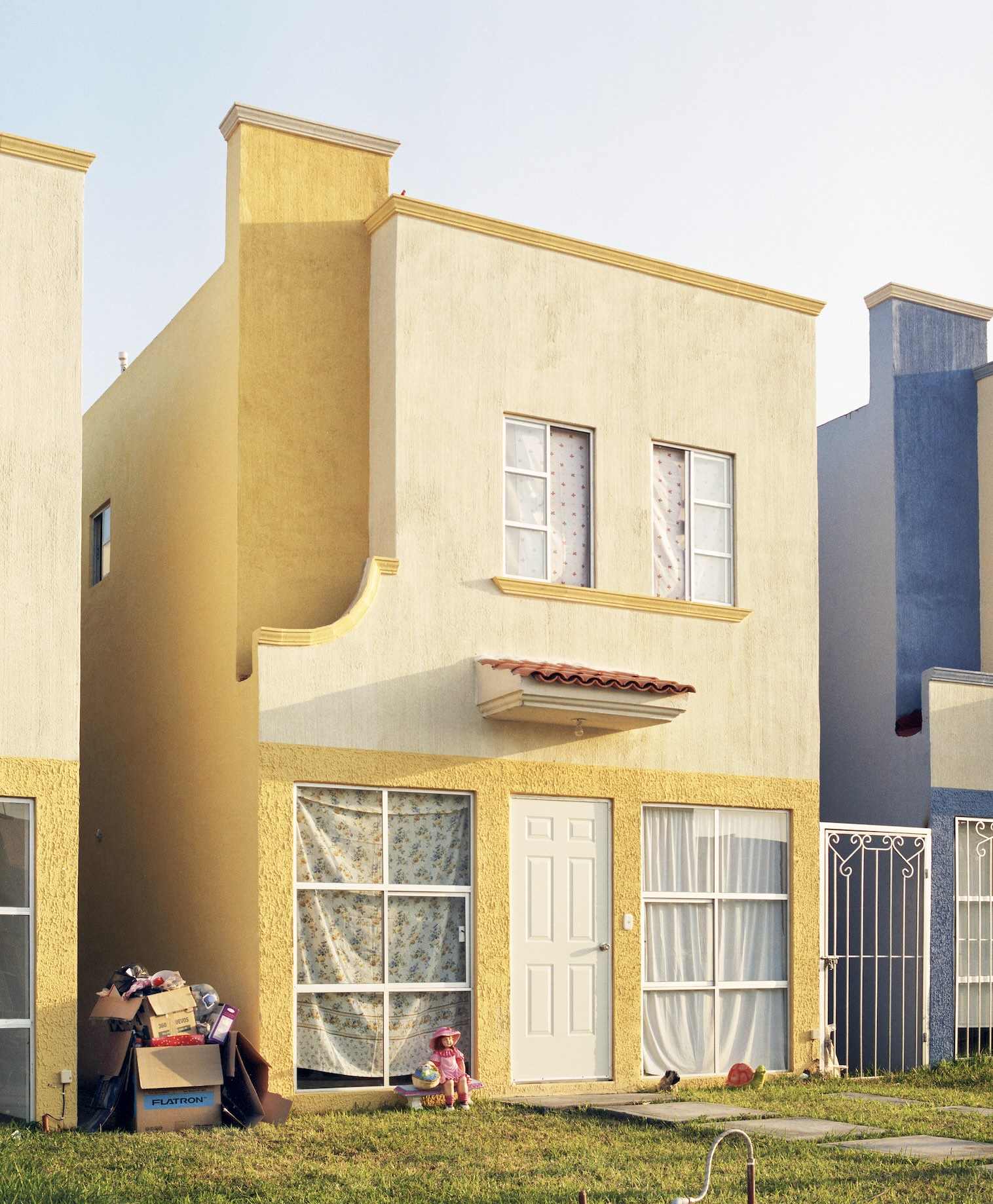
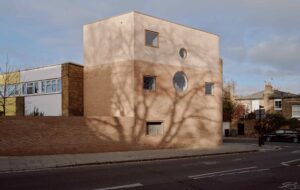
Photography courtesy of Foto/Industria, by Alejandro Cartagena, featuring Fragmented Cities
‘Our reference points for this year included the 1986 city-wide exhibition Chambres d’Amis and Joseph Beuys’ I Like America and America Likes Me – one explores private space, the other transforms the gallery into a home,’ Zanot explains.
Palazzo Bentivoglio opens the journey with Matei Bejenaru’s Prut, documenting rural communities and life along the river that became the EU’s eastern frontier. Just a short walk away, Alejandro Cartagena’s A Small Guide to Homeownership at Palazzo Vizzani exposes the hidden fractures of suburban expansion and upward mobility.
‘Cartagena’s work stems from years of research,’ explains Zanot. ‘It examines uncontrolled urban sprawl, showing how peripheral developments can undermine city centres, lack sustainable infrastructure and leave a lasting environmental impact.’
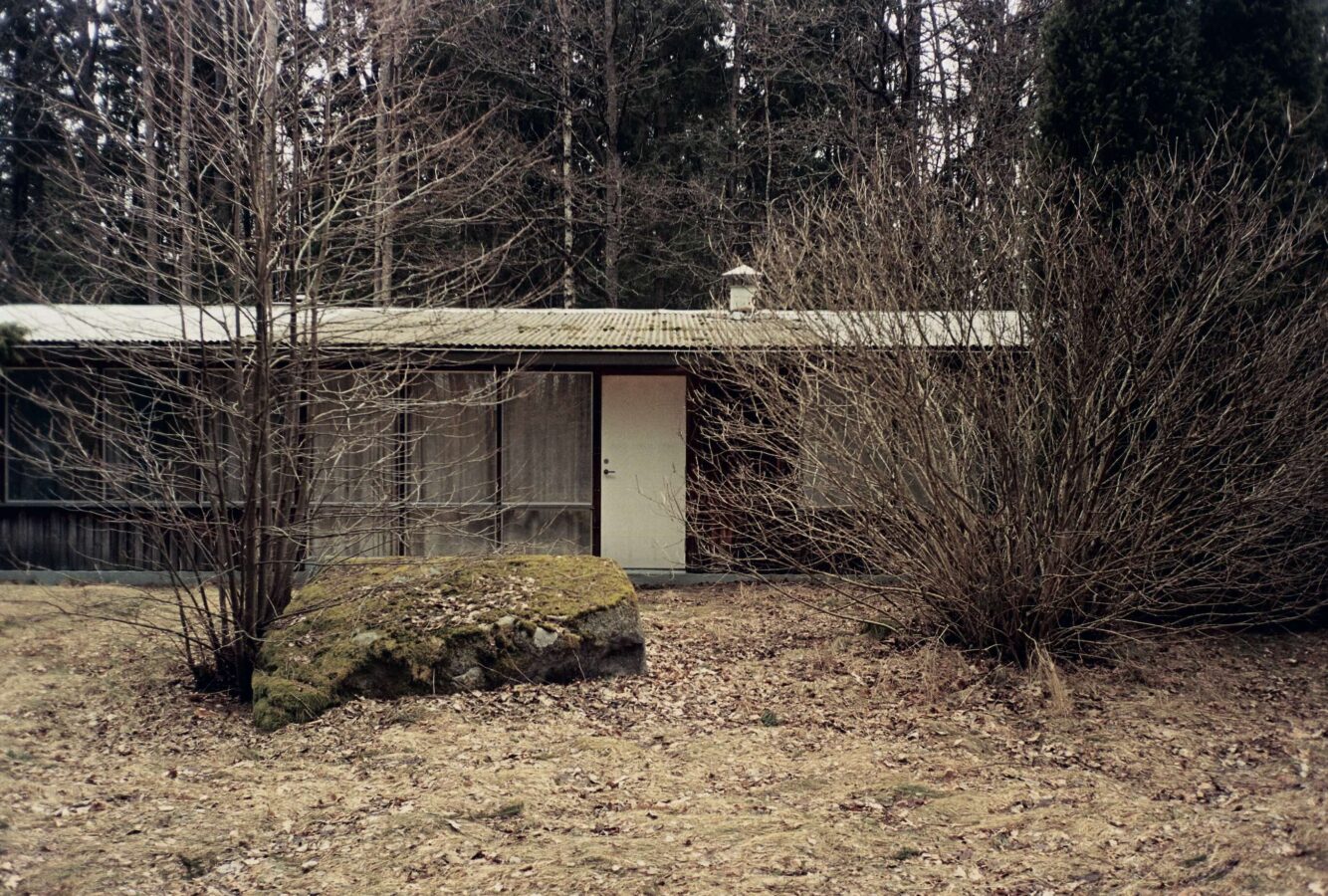
Photography courtesy of Foto/Industria, by Mikael Olsson, featuring SK07.2002
In a more activist mode, Forensic Architecture offers a profoundly moving reading of home at Sottospazio – Palazzo Bentivoglio Lab. Digitally reconstructing Palestinian villages destroyed since 1948, the exhibition used maps, archival photography, virtual models and spatial analysis to explore home as a site of loss and resilience.
‘This exhibition is closely tied to current events,’ Zanot notes. ‘Here, the home is a real place that has been destroyed and digitally rebuilt. It represents a space of belonging, something no one should ever be deprived of.’
Fondazione Collegio Venturoli presents three distinct perspectives on domestic space. Austrian visual artist Julia Gaisbacher explores participatory social housing in Graz, while Vuyo Mabheka merges memory and fiction to reflect on township childhoods. Mikael Olsson’s portraits of two Bruno Mathsson houses beautifully display modernist ideals alongside uninhabited space.
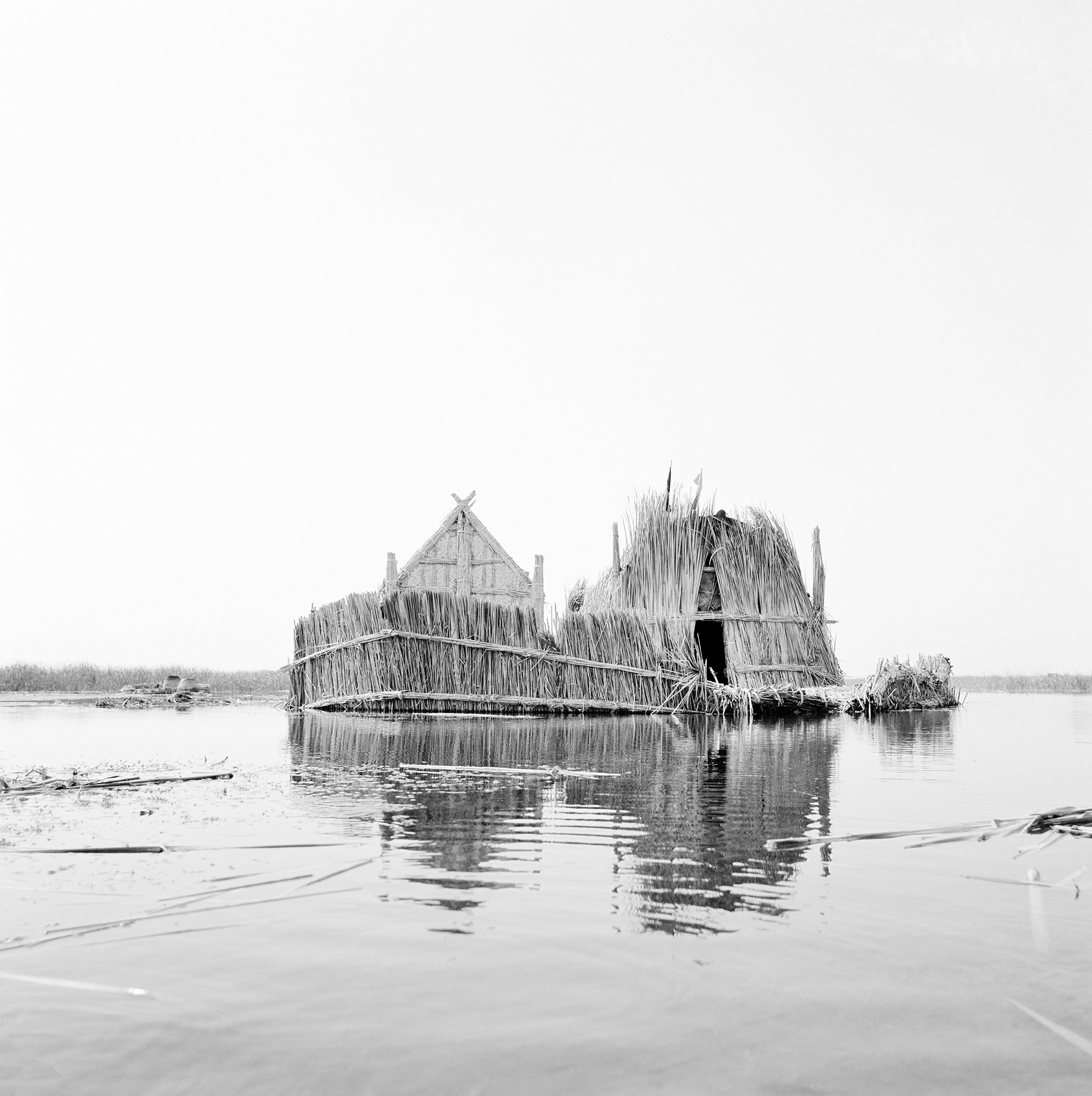
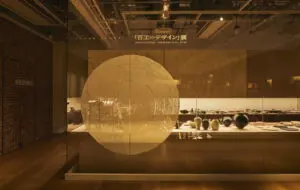
Photography courtesy of Foto/Industria, by Ursula Schulz-Dornburg, featuring Marsh Arabs Irak
‘Olsson’s work reveals the tension between domestic space and nature,’ Zanot observes. ‘He moves beyond conventional rules of architecture or architectural photography, focusing instead on enigmatic presences. The result is somewhat unsettling as he captures not just the structures themselves, but their fragility, the passage of time and the marks of deterioration.’
Over at MAMbo, Moira Ricci’s retrospective Quarta casa spans 25 years of work rooted in the Maremma region. Family photographs, archives and memory form an intimate yet socially engaged vision of home. ‘This is the first retrospective dedicated to her work,’ Zanot adds. ‘She is one of Italy’s most important contemporary artists. Home has always been central to her practice, whether as family, as a place of origin or as the legends and stories of her childhood.’
Pinacoteca Nazionale offers a wider geographic sweep with German photographer and artist Ursula Schulz-Dornburg, whose six series document homes from the Netherlands to Iraq. She capturres everything from temporary shelters to lasting architectures shaped by local ecology and tradition.
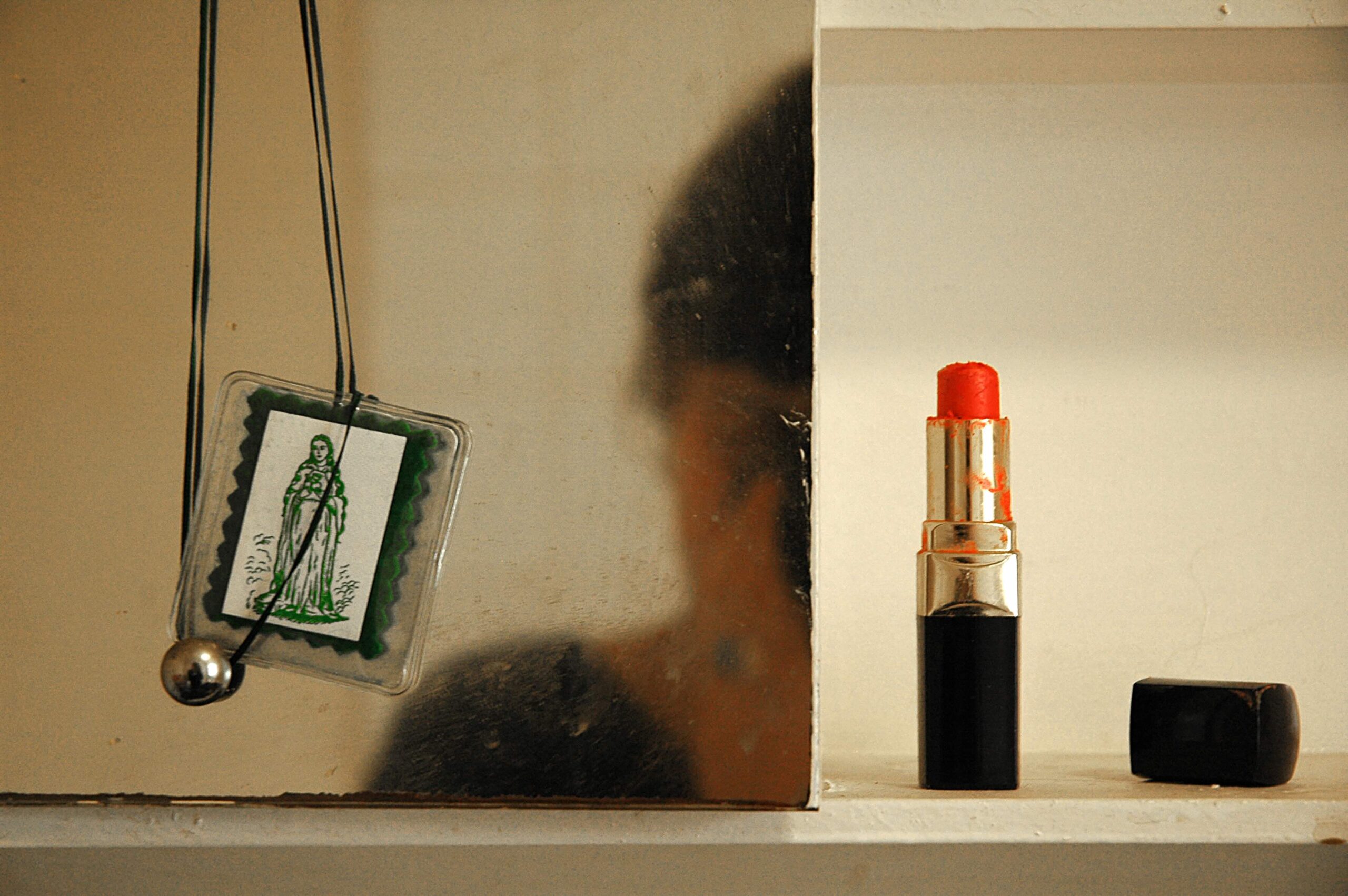
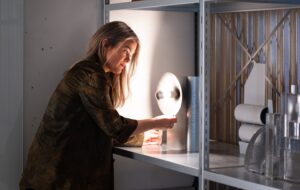
Photography courtesy of Foto/Industria, by Kelly O’Brien, featuring Self Portrait
‘This is the largest exhibition of Schulz-Dornburg’s work ever staged in Italy,’ Zanot explains. ‘It brings together six series, each exploring a different type of home, presented through a combination of documentary and conceptual tension that defines her practice. She speaks of fragility, and of how her photography can preserve a house, a memory that might otherwise be lost.’
Industrial and collective forms of home emerge at Fondazione Del Monte, where Sisto Sisti’s vast archive of the Montecatini community in Sinigo charts everyday life, shared spaces and the rhythms of communal living. Meanwhile, Kelly O’Brien’s No Rest for the Wicked at Spazio Carbonesi highlights domestic labour, shifting the discussion to class and gender inequalities, and the unseen work that sustains the home, all through personal and familial narratives.
‘We could not ignore housework,’ Zanot concludes. ‘O’Brien intertwines it with her own family’s history – her mother, grandmother and herself were cleaners. Her work is a reflection on gender and class, advocating for the visibility of women’s labour that often goes unnoticed.’
Across Bologna, these exhibitions collectively show home in many different ways: as structure, memory, labour and territory. Through free-access talks, screenings, presentations and workshops, Foto/Industria 2025 offers a poignant reflection on the ways we build, inhabit and imagine the places we call home.
Get a curated collection of design and architecture news in your inbox by signing up to our ICON Weekly newsletter