Featuring vibrant colours and drawing on the North African mountains, Barber Osgerby’s new collections reflect material honesty and a commitment to craft
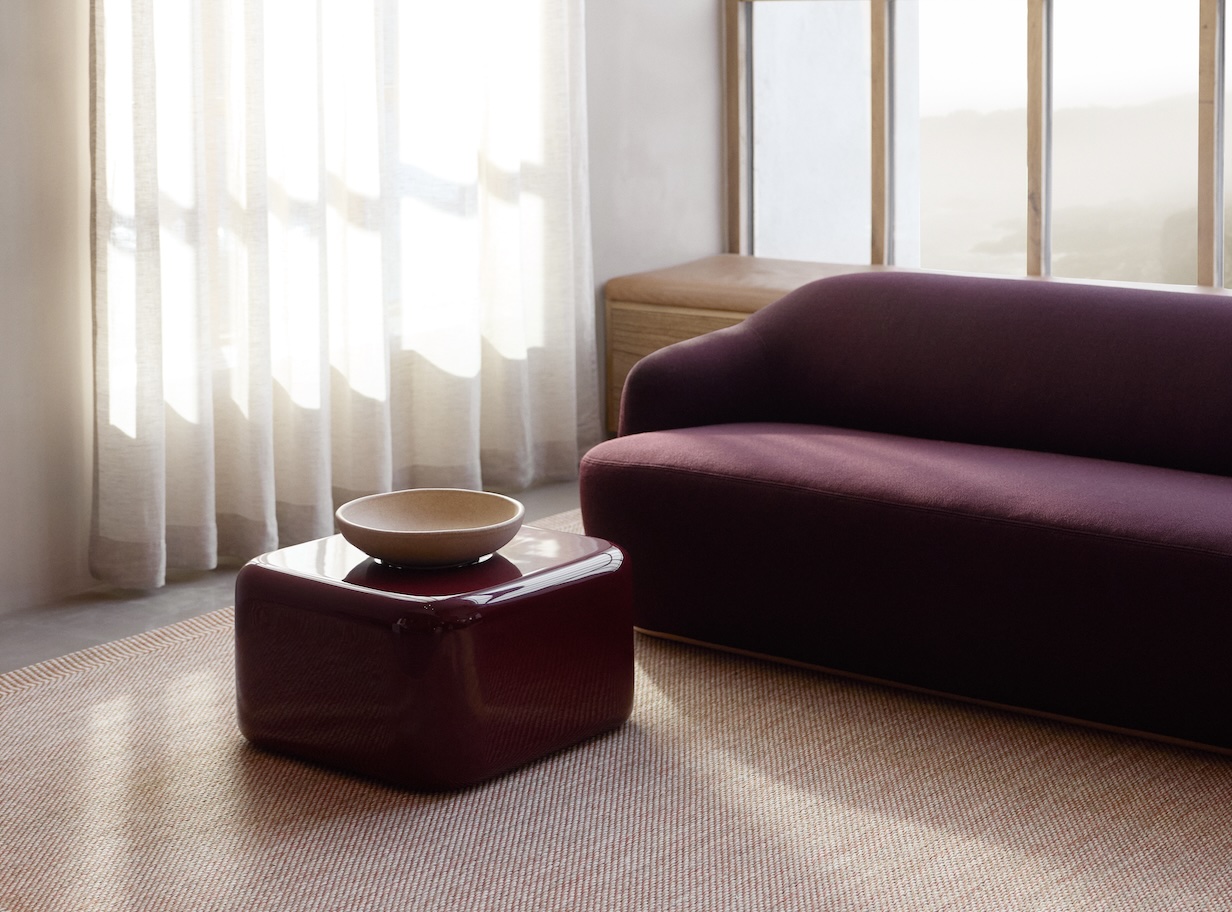
Photography courtesy of Kasthall featuring Atlas
Words by Jessica-Christin Hametner
Kasthall, the Swedish manufacturer long known for its commitment to craftsmanship, has partnered with British design duo Barber Osgerby on a new collection of rugs that balance generous proportions, traditional rug patterns and a rich colour palette.
Set to be unveiled during Milan Design Week 2026, Atlas and Bonbon mark a new chapter for both Kasthall and Barber Osgerby. Atlas sees the British designers interpreting the dramatic landscapes of the North African mountains through rich texture and tone to create a harmonious effect.
‘In my house, I’ve always had Moroccan carpets,’ reflects Edward Barber, one half of the duo. ‘They’re made using natural dyes – turmeric, mint, indigo – and that sensibility served as a source of inspiration for this collection. The name Atlas came quite naturally, as the pattern almost looks like a mountain range.’
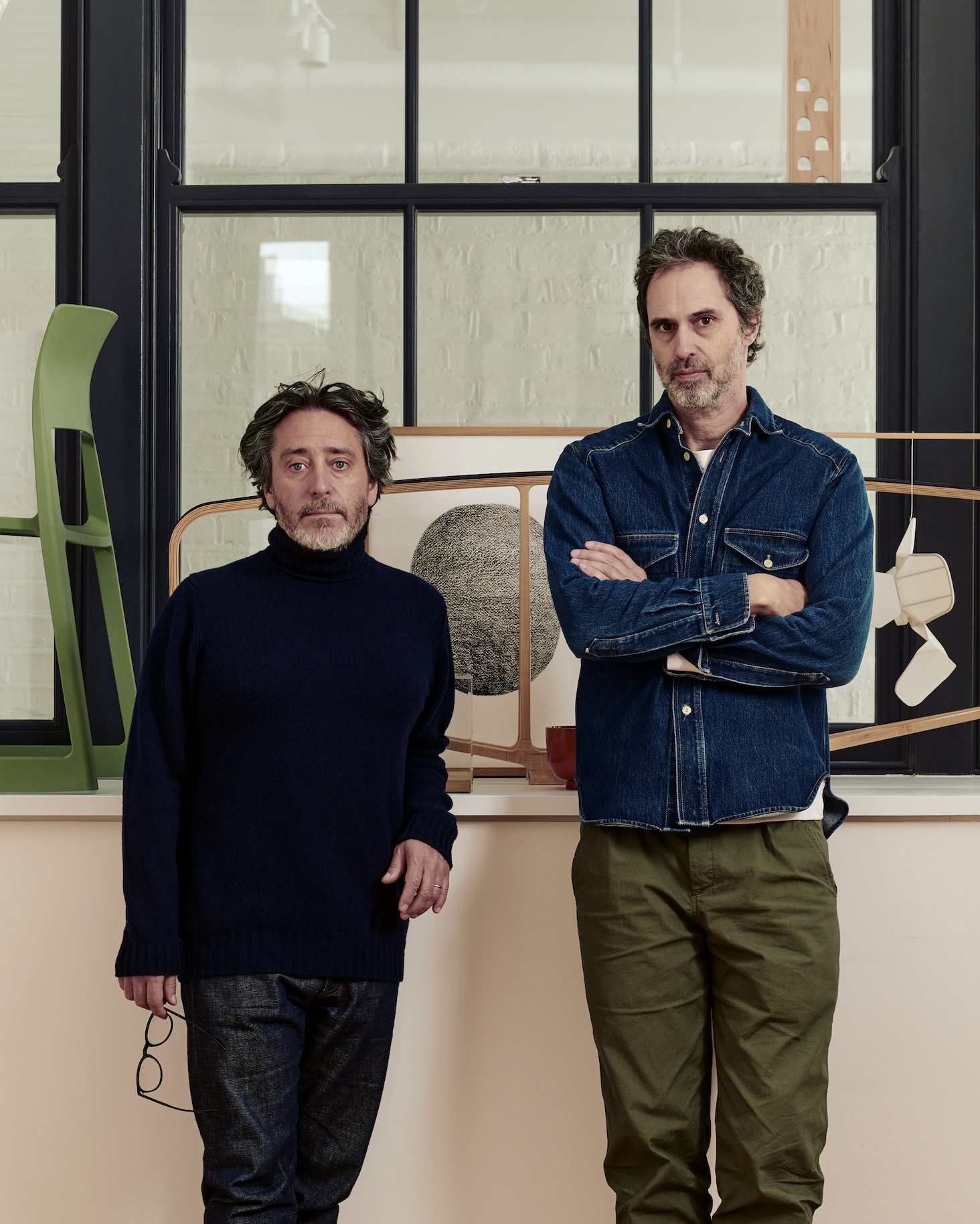
Photography courtesy Barber Osgerby
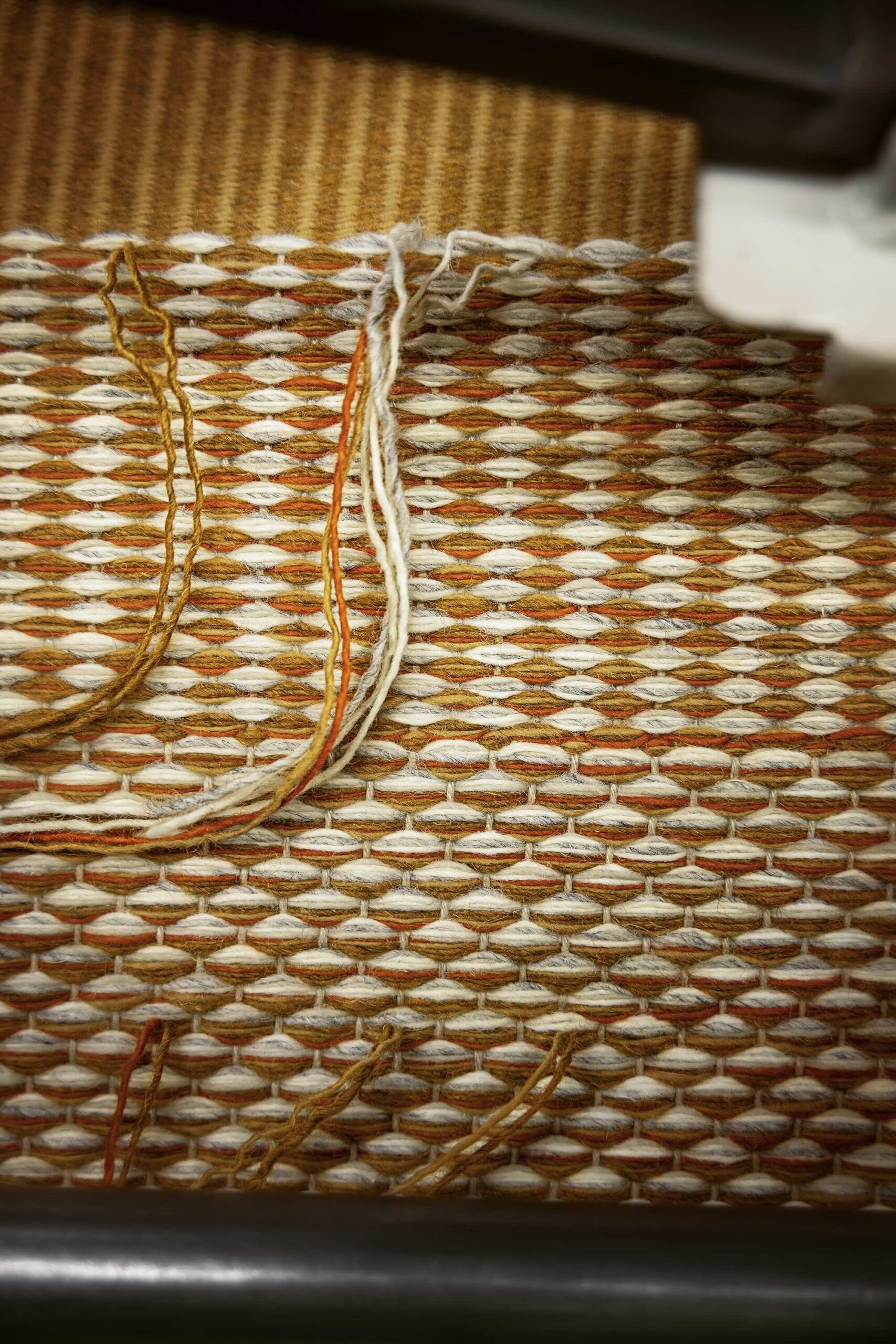
A tribute to weaving, Atlas features a double-weft construction, which produces a richly textured, weighty surface. Available in earthy colourways like Indigo, Dune and Snow, it carries a distinctly handcrafted, tonal quality.
‘They’re all woven on the same loom, so the technique hasn’t changed,’ says Barber. ‘What differs is how we’ve mixed the colours. Rather than a single flat tone, we’ve layered them.’ The result is a chunkier rug in which the warp becomes part of the texture, lending depth and character.
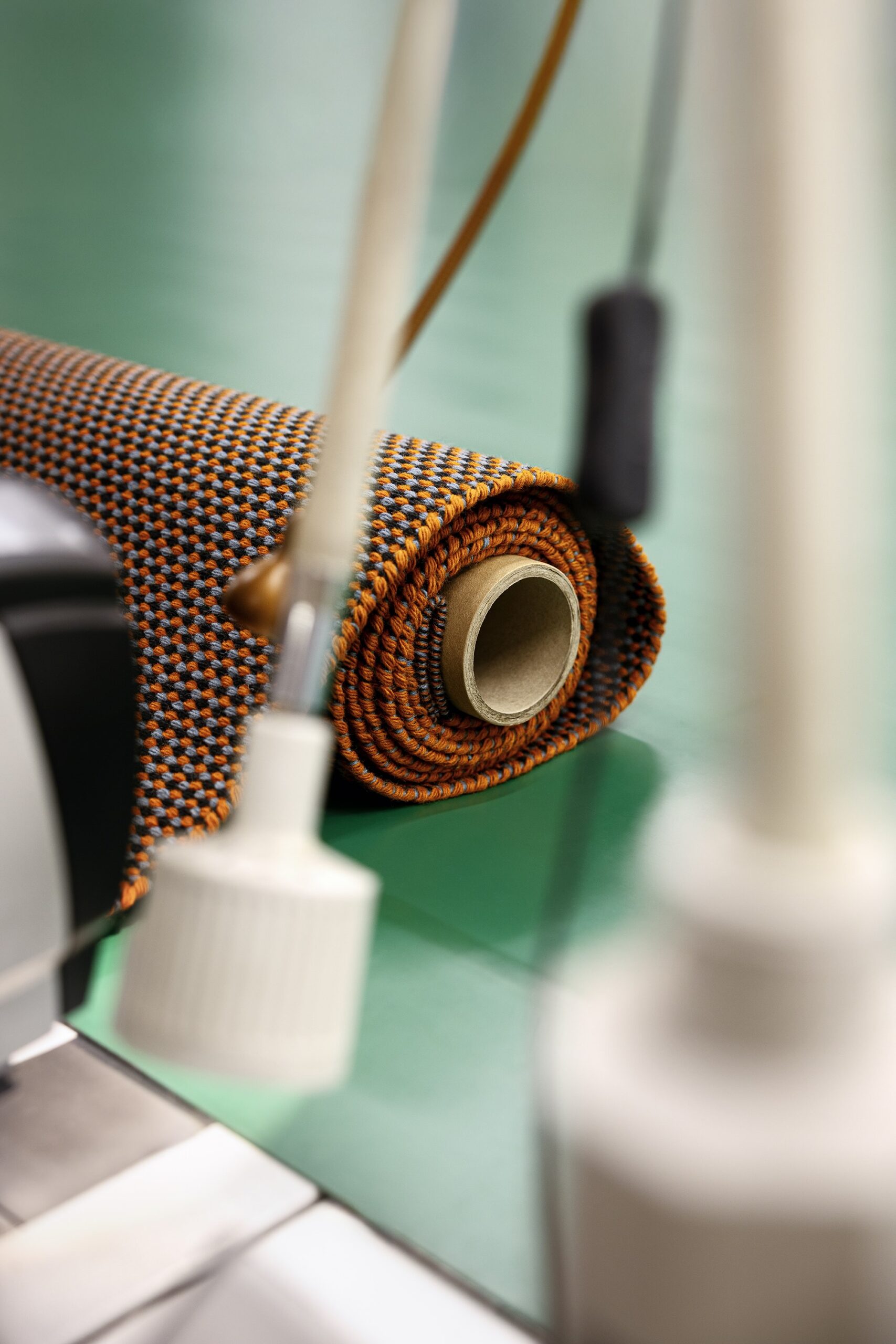
In the case of the exuberant Bonbon, subtle colour gradients create a playful touch. Rendered in shades of Berry, Rhubarb, Lemon and Damson – Rhubarb is a particular favourite of Barber’s – the collection offers a denser, more tactile weave.
Photography courtesy of Kasthall featuring Atlas
‘Bonbon is somewhat younger, more modern,’ says Barber. It comes in a range of eye-catching colours and each rug is finished with Kasthall’s signature serial numbering. This hands-on approach extends to production.
At the heart of the collaboration is a shared respect for craftsmanship. Barber Osgerby worked closely with the Kasthall team in Kinna, Sweden, spending time alongside the artisans on the factory floor to better understand the possibilities – and limitations – of the loom.
‘Kasthall has been producing rugs for 135 years, so we wanted to go back to the basics of rug-making,’ Barber continues. ‘At the same time, [we challenged ourselves]: how could we make these two collections feel completely different, even though they’re created on the same machines?

Photography courtesy of Kasthall featuring Bonbon
‘It takes several days,’ explains Ingalill Ulvdell, head of range at Kasthall. ‘We begin by experimenting with the yarn, then move to weaving. Once it comes off the loom, it needs to be prepared, ironed, sewn and folded. The weaving itself doesn’t take long; it’s the preparation and finishing that require the most time.’
For Barber, the breadth of possibility lies as much in Kasthall’s history as in its colourways. ‘There are so many different colours that you can play with,’ he says. ‘Kasthall has a huge archive of carpets from the last 100 years or so. We got something of a crash course in weaving and wanted to get back to the core of craft and these collections are really a celebration of that.’
Material sourcing remains central to that conversation. Ulvdell goes on to explain that 95 per cent of Kasthall’s wool comes from New Zealand, valued for its long, durable fibres and well-established standards of animal welfare. At the same time, the company is exploring ways to reduce its environmental footprint by sourcing closer to home.
Photography courtesy of Kasthall featuring Bonbon
For now, quality constraints remain, but Kasthall is actively supporting initiatives aimed at revitalising the Swedish wool industry, an investment in both future production and local craft. Supporting its immediate community, the company also works closely with neighbouring dye houses and suppliers, maintaining a localised network that continues to inspire how Kasthall operates today.
Longevity, too, is central to Kasthall’s ethos. ‘These rugs, if properly cared for, should last for 50 years or more,’ says Ulvdell. ‘They’re naturally flame-resistant, stain-resistant and non-allergenic. You do have to care for them, but if you do, they will last for generations.’
This emphasis on durability feeds into a broader conversation around lifecycle and responsibility. ‘The design industry has produced so much over the decades, but we should be very interested to measure the lifecycle of products as well,’ adds CEO Mirkku Kullberg. ‘We need new things. We need new inventions. But we also need to take ownership because good stuff should have long lifecycles.’

Photography courtesy of Kasthall featuring Bonbon
For Barber, that principle is fundamental. ‘Good design is something that lasts,’ he says. ‘It’s less about how it looks – it can be bold or very calm, that’s irrelevant. What matters is that it’s well made, from good-quality materials. He pauses, then adds: ‘With Atlas and Bonbon, that’s as good as it gets: natural materials, produced locally.’
By weaving together industrial tradition with contemporary design, Kasthall and Barber Osgerby have created a collection that speaks to both material honesty and creative expression. Whether it’s the crisp lines of Atlas or the bold palette of Bonbon, these rugs reflect a commitment to material integrity and artisanship.
Get a curated collection of design and architecture news in your inbox by signing up to our ICON Weekly newsletter