The Dean’s 281-room Munich debut channels the city’s creative spirit with art, music, Japanese dining and warm Irish hospitality in Westend

Photography by Dean Hearne featuring Ibasho
Words by Jessica-Christin Hametner
Munich has never been short of grand hotels. As a natural gateway to the Alps, the Bavarian city has long drawn visitors from near and far. With verdant gardens and elegant boulevards, lined with majestic stucco houses and historic buildings such as Villa Stuck, a celebrated example of late-19th-century Art Nouveau (known locally as Jugendstil), little wonder Munich has acquired such a glitzy reputation. But look past the familiar clichés and polished facade and you’ll discover a hotbed of creativity.
Venture beyond its well-heeled streets and hallowed galleries of the Pinakotheken and Kunstareal, where time can seem to stand still, and an edgier, lesser-known part of Munich comes to the fore. In the lively borough of Westend, trendy restaurants, tucked-away boutiques and independent cafés are sprouting up across the neighbourhood. It is this side of the city that The Dean Munich seeks to embody.
Having opened here in the summer with 281 rooms, three bars, a contemporary Japanese restaurant and an art programme spotlighting local talent, The Dean Munich is the largest property yet for the Irish-born lifestyle hotel brand, following its Berlin debut earlier this year. With a cosseting ambience and impeccable design, the hotel presents twists on traditional hospitality norms, creating a design-led destination for everything food, art, music and design. Westend, with its hip restaurants and younger cultural scene, provides a fitting setting.
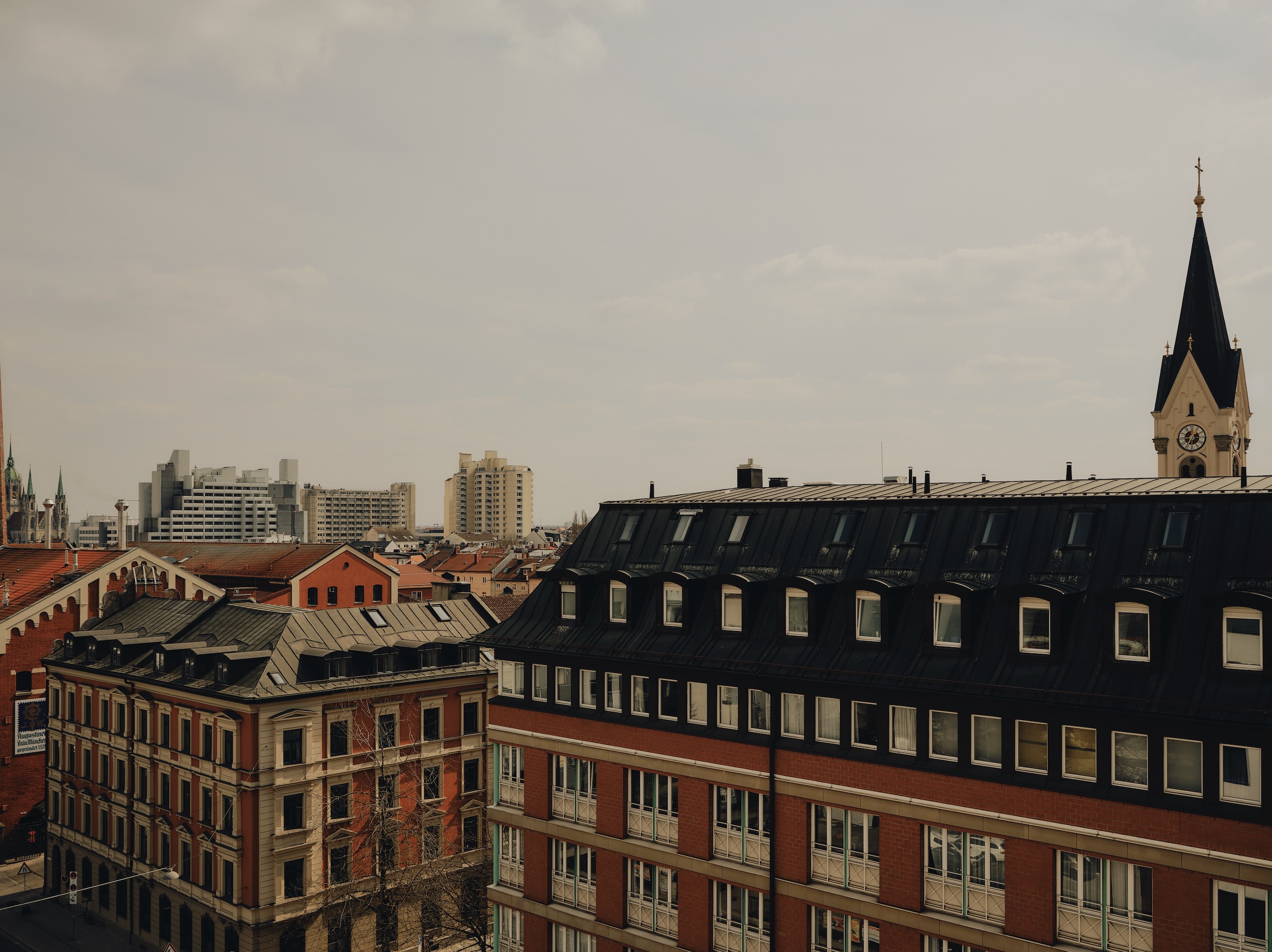
Photography by Dean Hearne featuring a view of Munich
For its designer, Tatjana von Stein, the project was a homecoming of sorts, allowing her to return to a city she had known from childhood. Born to a German father and French mother, she grew up in Munich until the age of five, before moving to the Austrian mountains in Tyrol. Paris and London followed, but early memories of Bavaria and regular visits to see family over the years, reconnected von Stein with her own personal history.
‘The biggest memory I have as a child was the English Garden,’ she says of the large public park, stretching over five and a half kilometres from the heart of Munich to the northeastern city limits. ‘Even when we were living in the mountains, Munich was the big city. That’s the one you came to. That’s where I saw my first Pinocchio show and first cinemas. There was a perception that Munich was quite chic.’
Landing the project led her back to a place she had barely experienced as an adult. ‘It was a little bit like coming home,’ she admits. Returning with the perspective of a well-travelled, London-based designer, however, von Stein began to see the Bavarian capital in a new light. ‘We went into the old town and it all felt quite familiar,’ she remembers. ‘But it’s fascinating going into a different part of Munich and noticing how something’s changing here.’
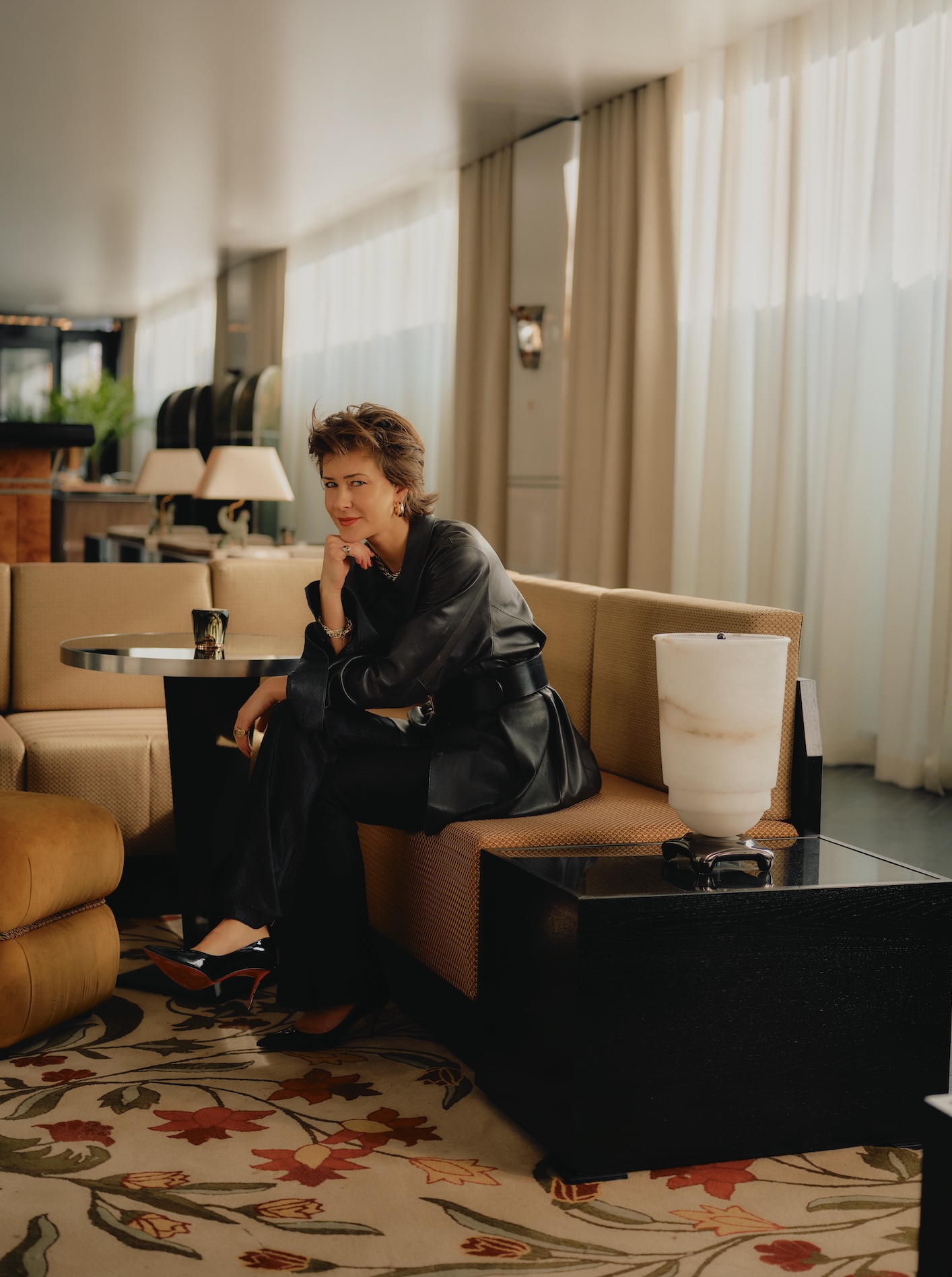
Photography by Dean Hearne featuring Tatjana von Stein
She began to notice the signs of a growing creative community, from ceramic studios inviting locals to try their hands at pottery to restaurants opening their kitchens for cooking classes. ‘There was a little bit of a sensation I recognised in the west of Munich,’ she says, recalling the early days of London’s East End. ‘I think therefore we were able to look at it from a different point of view – not from what Munich is known for, but for what Munich probably is becoming.’
This was the starting point for The Dean Munich’s lavish interiors. Blending the city’s old-world charm with contemporary art, design and hospitality, there are few better ways to experience this bustling neighbourhood than staying at The Dean Munich. ‘It was really interesting for us to do all the research and to be able to sing a little of its unsung story,’ says von Stein. ‘There was definitely space for something else that retained that elegance, but had a creative flair. So, you’re not leaning into one or the other, but bringing both worlds together.’
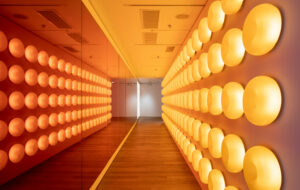
The hotel’s interiors feel unequivocally glamorous. Drawing on two periods of Munich’s cultural history, nature-inspired motifs appear in furniture and upholstery, taking their design cues from Jugendstil, while contrasting reflective surfaces, lacquer and theatrical lighting in the public spaces build on the city’s lesser-known disco roots. As the 1970s and 80s ushered in a new creative energy, major recording sessions drew musicians to Munich, and with that, celebrity-frequented haunts and alternative watering holes – a less obvious reference, but one von Stein felt deserved greater attention.
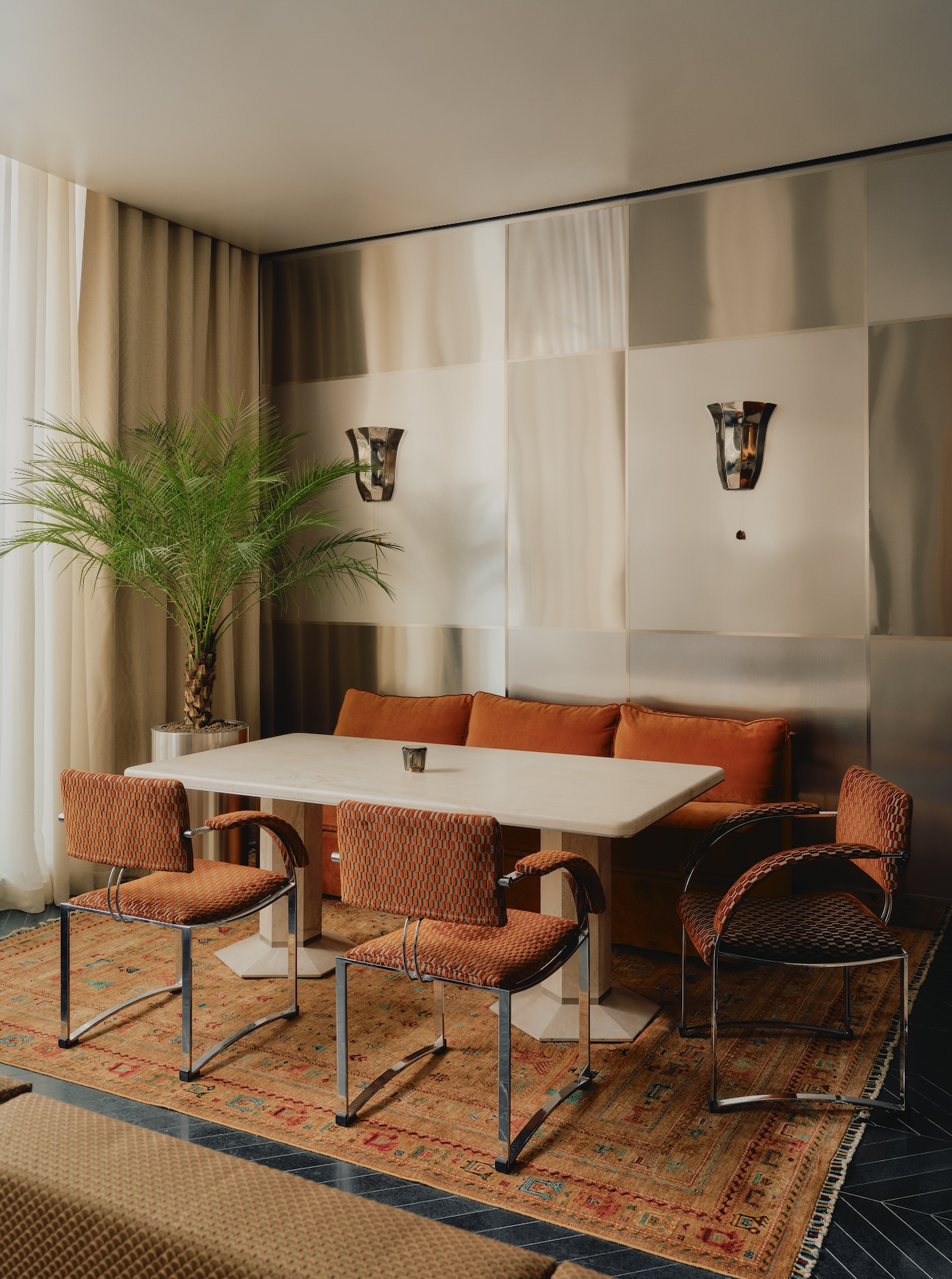
Photography by Dean Hearne featuring The Dean Munich’s lobby
‘The cultural movements we were drawn to were this kind of honourable Jugendstil movement,’ she says. ‘But then, the unsung hero, I suppose, which was quite fun for us to work with, was that Munich also had this rich musical era in the 80s. For people in Munich, it’s so famous, but from outside it isn’t,’ she adds. ‘And I think, for us, that’s cool. That’s lifestyle. It gave us an anchor to go beyond something too traditional.’
While some aspects of the building have been meticulously restored, others have been confidently reimagined. On the ground floor, the lobby features a relatively restrained palette, with cream lacquer tones, soft upholstery and a symbolic eye motif punctuated by flashes of burnt orange and Yves Klein blue. Some of the feature walls are finished in polished stainless steel, contrasting with the building’s more traditional details.
‘The 80s are kind of monochromatic, sleek and defined by straight lines, which the building lent itself to perfectly,’ von Stein explains. ‘Jugendstil brings in warmth and nature. Of course, Munich is close to the mountains, so there’s still a strong imprint of the natural world. The Jugendstil movement is inspired by nature and it allowed us to lean into warmer colours and motifs, which we incorporated into the upholstery.’

Photography by Dean Hearne featuring The Dean Munich’s lobby
Elsewhere, the hotel’s first signature restaurant, Ibasho, nods to a rich design heritage, with impeccable Japanese cuisine developed alongside consultant chef Alex Craciun, served beneath a dramatic mirrored ceiling. Here, the stained-glass windows draw on the decorative forms of Jugendstil, reinterpreted by von Stein’s team with a more contemporary, geometric sensibility. ‘I am not a big fan of ripping things out if we don’t have to,’ she says. ‘We contemporised the stained glass, making it more square and a little more in keeping with the proportions of the space.’
Most of the furniture they sourced is by celebrated Austrian designers Otto Wagner and Josef Hoffmann, including a set of twelve original Hoffmann chairs, plus a pair of antique armchairs that have been reupholstered in CC Moulton peach moire for a theatrical twist. Working with Cologne-based Studio Kuhlmann, Tatjana von Stein Studio also designed more than 100 chairs, tables and lights for the hotel, bringing together period pieces, contemporary finds and bespoke creations.
‘When you’re designing, much of it is bespoke and isn’t something you can just find off the shelf,’ says von Stein. ‘We’re fans of building up a story, right down to the finer details of what we create. We then mix things with contemporary designers we want to support, particularly local ones. For example, Studio Kuhlmann designed all the wall lights. We went rummaging around, searching high and low for these pieces.’

Photography by Dean Hearne featuring Ibasho
In the guest rooms upstairs, soft layers and carefully arranged pieces create a welcoming feel. Natural materials like wood, atmospheric lighting and statement wall art, crucial to The Dean Munich’s identity, add to the five-star experience. ‘What we love about hospitality is that we get to delve into the context; so the brand, the building we’re working in, the local community, its history and so forth,’ says von Stein. ‘It’s got to tick many different boxes. You need to have a slightly layered, tempered effect that allows for that sense of discovery.’
Steering clear of the formulaic feel of trend-led interiors that have dominated the hospitality scene in recent years, the hotel’s design reflects von Stein’s point of view and a discerning eye for detail. For her, it is this thoughtful curation that gives The Dean Munich its personality. ‘I think it’s the mix of different pieces,’ she says. ‘You’ve gone through the effort of finding unique items or making them, and that gives the hotel an overall feel that you haven’t seen before.’
Art is central to the hotel’s cultural strategy, helping to bring von Stein’s vision for the space to life. Curated by Christian Ganzenberg, author, curator and director of the Various Others art festival, The City Beneath the City presents various contemporary artists connected to Munich.
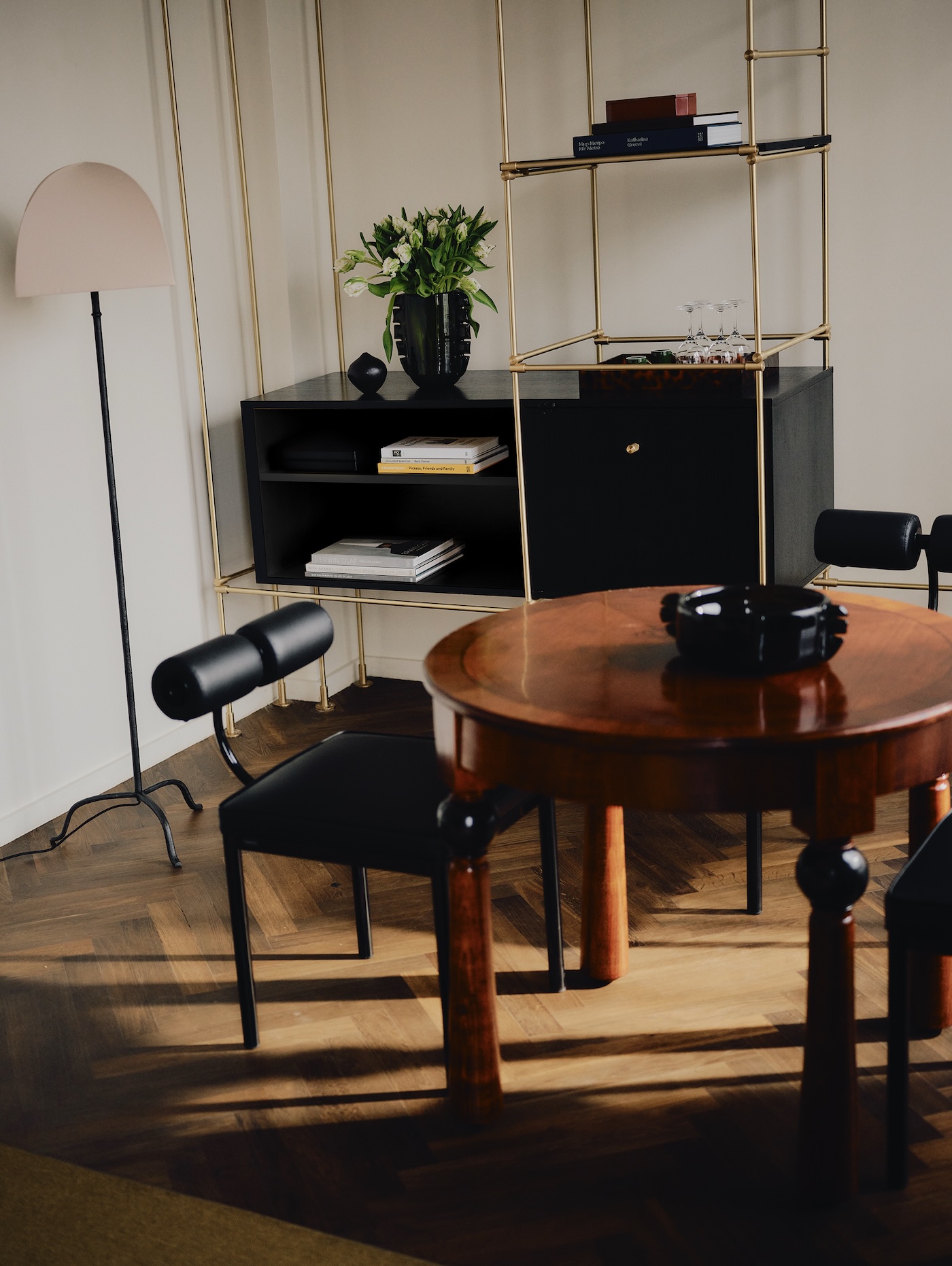
Photography by Dean Hearne featuring The Dean Munich’s prestige suite
Inspired by Italo Calvino’s 1972 postmodern novel Invisible Cities, the programme looks beneath Munich’s established cultural identity to uncover some of its less visible stories and the contemporary voices redefining the art world, with works appearing throughout the hotel, from the lobby and corridors to the guestrooms.
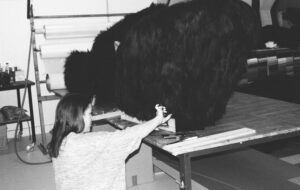
The programme showcases pieces by Munich-based sculptor and installation artist Ju Young Kim; contemporary artist Veronika Hilger; South Korean visual artist Jieun Park; and German-Swiss visual artist Sebastian Quast, as well as photography by Der Greif Studio in the guestrooms. Artist Ossian Fraser has taken the connection to the site a step further by incorporating material from the hotel itself into his work.
‘I think people see different things,’ ponders von Stein. ‘Some will notice the service, others the menu design or the art. People have different sensitivities, and I believe those differences are wonderful to explore. We’ve done our job designing the hotel, but really the cultural aspects to maintain an energy in the space are music, food and art.’
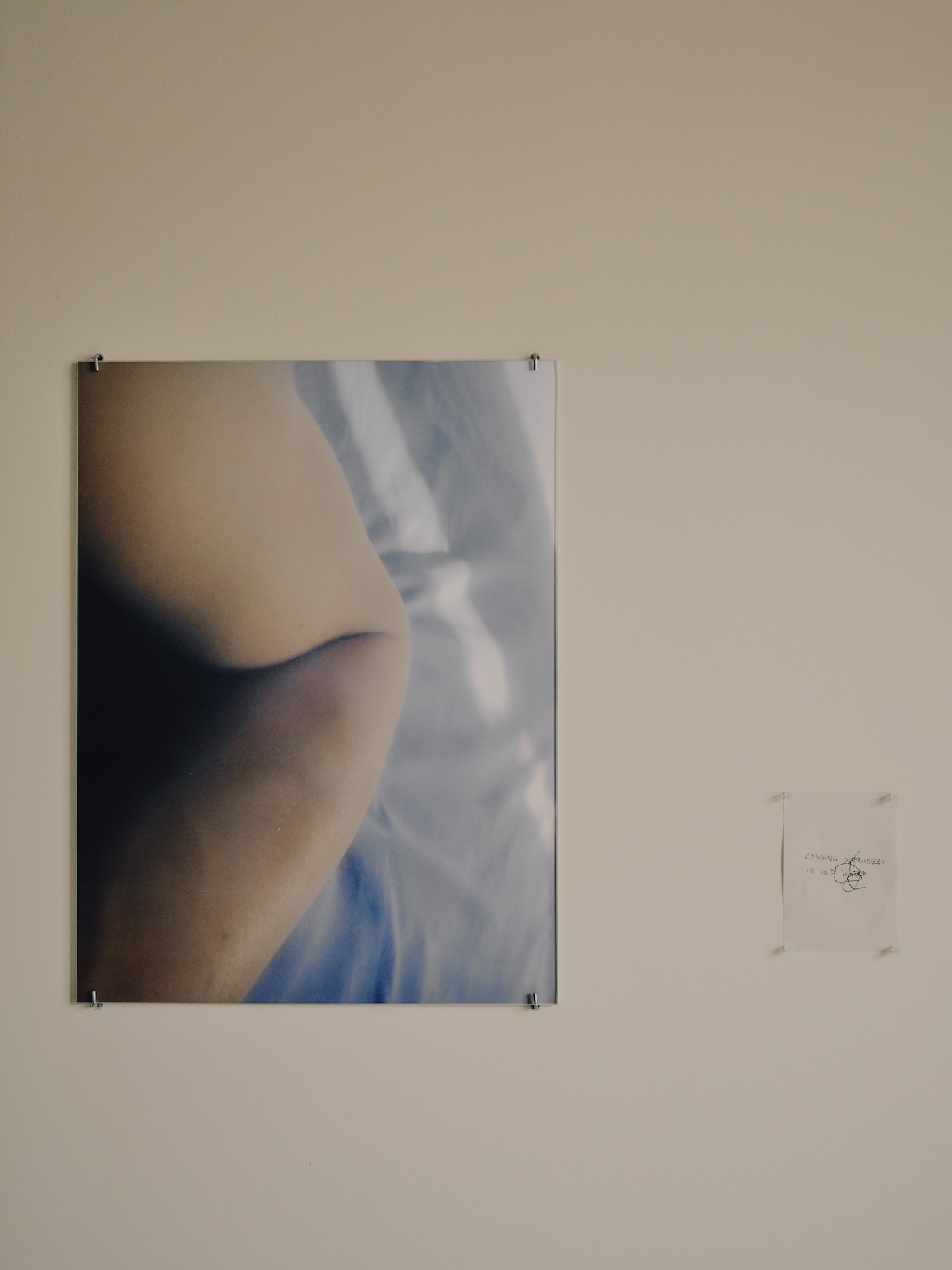
Photography by Dean Hearne featuring an artwork of The City Beneath the City
While these elements all contribute to the atmosphere von Stein has envisioned, what matters most to her is how the hotel makes people feel. ‘I just hope they feel good in the space… a bit loose,’ she says. ‘Ideally, visitors will want to roll around a little bit, creating that feeling of connection and open dialogue.’
The Dean Munich possesses a rare sort of magic. Effortlessly elegant, but with a cosy feel, it invites visitors to explore further afield or simply enjoy sprawling views of the city from their bed. Perhaps more tellingly, it isn’t afraid to march to the beat of its own drum, much like von Stein. ‘I’d like the hotel to give visitors the feeling that they just want to stay and play,’ von Stein adds.
But it’s the people who bring the hotel’s warm, convivial spirit to life. ‘We are one part of a puzzle,’ von Stein concludes. ‘The real soul is when we all come together. And I do feel that here, people were singing the same tune.’
Get a curated collection of design and architecture news in your inbox by signing up to our ICON Weekly newsletter