From hidden homes and historic landmarks to recording studios, power stations and private archives, London’s popular festival offers nine days of free tours and access, giving visitors a rare glimpse inside some of the capital’s most intriguing and overlooked spaces

Photography by Peter Bloomfield, courtesy of Barbican Conservatory Archive
London Open House Festival returns for its 35th edition this September, giving access to buildings, spaces and places that are usually off limits. From landmark sites and Victorian industrial relics to recording studios, private homes and underground infrastructure, the programme takes visitors behind the scenes of London’s architecture.
Running from 12 to 20 September, the festival is organised by charity Open City and will open hundreds of sites across all London boroughs. The majority are free to visit, with many available for spontaneous drop-ins, while selected tours and buildings require advance booking.
Among this year’s highlights is the Lloyd’s Building, Richard Rogers’ exuberant 1986 contribution to London’s skyline, which joins the festival as it marks its 40th birthday. Elsewhere, the Zaha Hadid Foundation archive will open to the public for the first time as part of the festival. Its collection brings together architectural drawings, models, plans and blueprints alongside personal objects including clothing and jewellery.

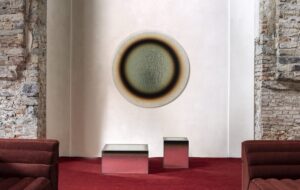
Photography by Max Colson featuring Barbican Conservatory
There are also opportunities to revisit some of the city’s more familiar landmarks. Tours of No 10 Downing Street, the BT Tower and Broadcasting House return, while the Barbican Conservatory offers a look at its forthcoming renewal, alongside a plant-adoption event that allows people to take home a cutting.
For something less expected, head to Wembley to explore Punchdrunk Enrichment Stores, a vibrant theatre space rarely open to the public, or east London’s Strongroom, the recording studio where albums by artists including Nick Cave, Radiohead, The Prodigy and Little Simz have been made. The tour takes in the spaces behind the music and the workings of an active studio.
The festival’s industrial and infrastructural sites are equally compelling. Wapping Hydraulic Power Station, built in 1890 and closed for the past decade, is entering a new chapter under the Glass Castle Foundation, which plans to transform it into a centre for experimental arts.

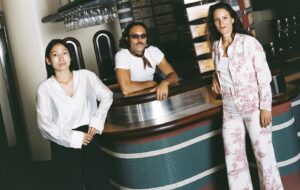
Photography by Julia Forsman featuring A House for Artists Workshop
New to the programme is West Ham Pumping Station, home to two Lilleshall beam steam engines, while Citigen power station and Southwark Integrated Waste Management Facility return.
History runs deep at the Print House, a former Victorian paint factory dating back to 1870 that survived the Blitz before becoming a railway engineering site, and later a venue for 1980s reggae sound systems. At Leadenhall Market, visitors can descend beneath the market to see the remains of its Roman Basilica and Forum.
In south London, the 1891 Herne Hill Velodrome offers a glimpse into the capital’s cycling culture and thriving grassroots cycling facility, which hosts everything from Learn to Cycle to local and international racing events.

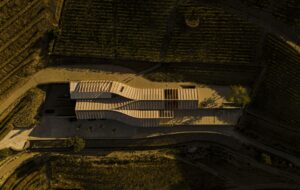
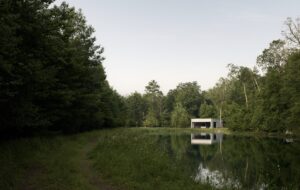
Photography by Julia Forsman featuring A House for Artists
The festival also opens the doors to a number of private homes. At Coldershaw Road, the former home and bookshop of community activists Eric and Jessica Huntley, founders of Bogle-L’Ouverture Publications, remains filled with books, correspondence and objects documenting Black British cultural history.
The scale of the festival is remarkable. What began in 1992 as a one-day event with 100 tickets welcomed 375,000 visits across 830 open days and events in 2025, generating an estimated £14m in direct local economic spend. The figures also point to a wider impact, as 92 per cent of visitors said the festival enhanced their wellbeing, while one in five reported a stronger sense of belonging.
This is what Open House Festival does so well: for nine days in September, Londoners and visitors alike get the chance to see how the capital works, where people live and make things, and what lies behind some of its most familiar facades.
London Open House Festival runs from 12 until 20 September 2026. For more information, visit openhouse.org.uk
Get a curated collection of design and architecture news in your inbox by signing up to our ICON Weekly newsletter