
Designed by TABLEAU CPH and realised with Hydro, Janni Vepsäläinen shares how Iittala is celebrating ninety years of the Aalto Vase with a seven-metre pavilion on Copenhagen’s harbourfront
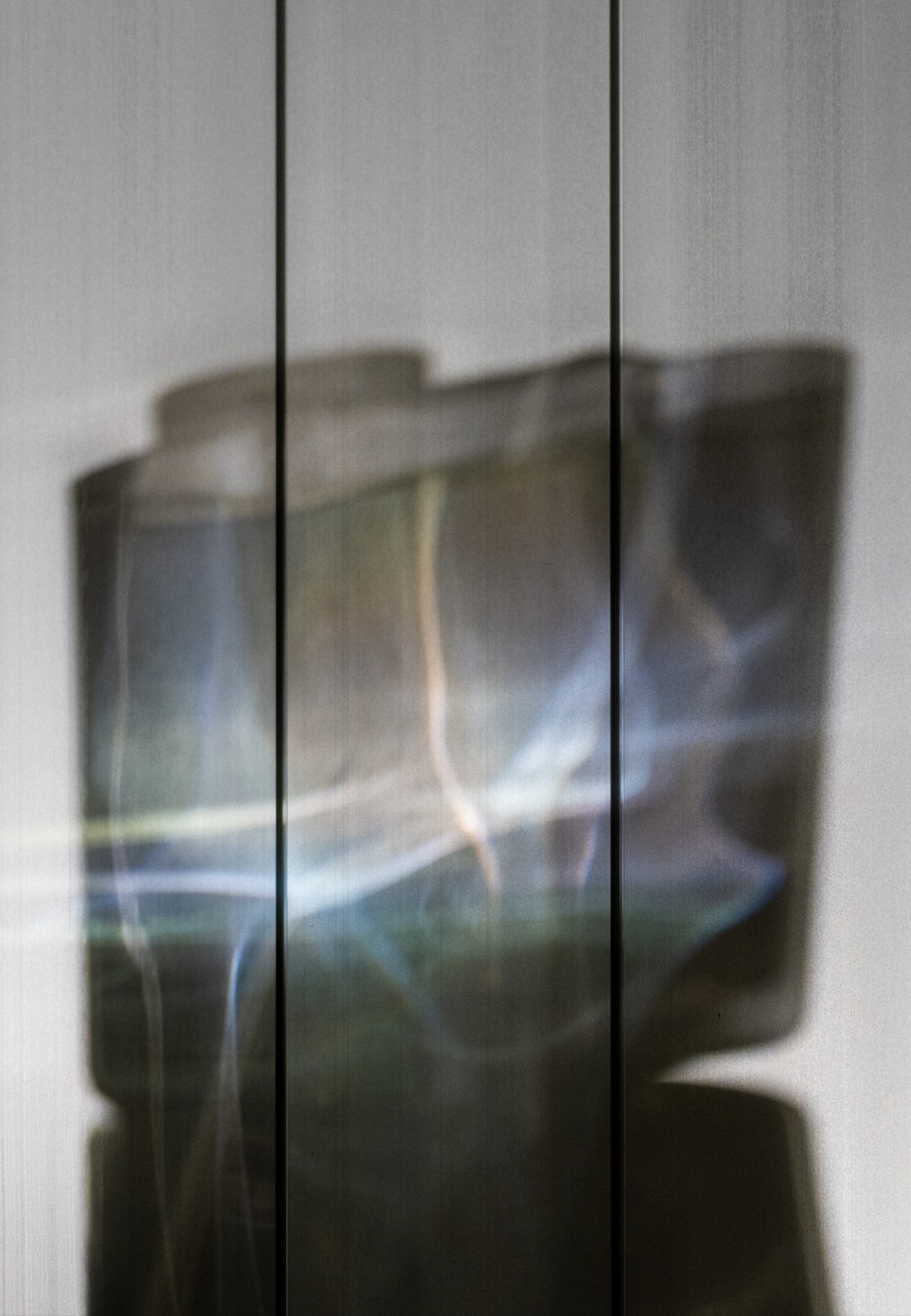
Photography by Haavard Holmaas
Words by Jessica-Christin Hametner
There are few objects that have achieved iconic status, but the Aalto Vase stands among the most recognisable. First realised by Alvar Aalto and his wife Aino, the piece – later known as the Savoy Vase after becoming one of several bespoke designs created for Helsinki’s Savoy restaurant in 1937 – was conceived for a 1936 design competition held by the Ahlström-owned Karhula-Iittala glassworks.
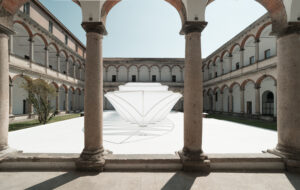
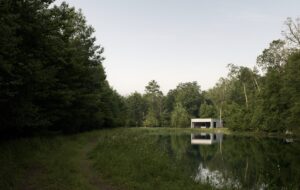
A timeless sensibility has always underpinned the Aalto Vase, but ninety years after its debut, the revered design is now being realised on a far larger scale. During this year’s 3daysofdesign (10-12 June), Finnish design house Iittala will unveil the Aalto 90 Pavilion, a seven-metre-high structure installed on Copenhagen’s harbourfront at Ofelia Plads.
Originally inspired by the dress of a Sámi woman, titled Eskimåkvinnans skinnbyxa (the Eskimo woman’s leather breech), the vase was initially expressed through crayon sketches on cardboard and scratch paper. Early production proved complex: proposed thin steel moulds were abandoned and the vase was ultimately made using wooden moulds that were gradually burned away during production.
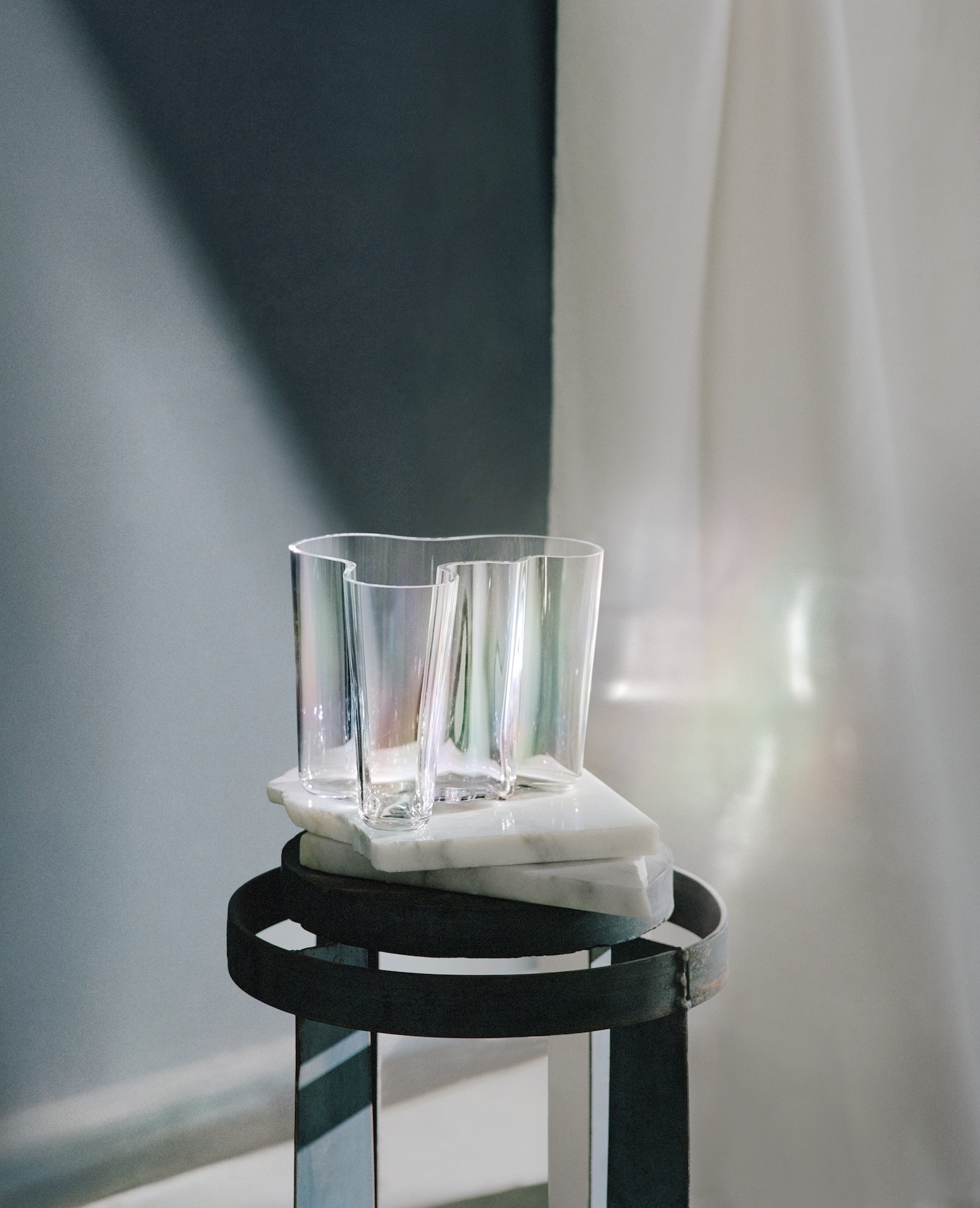
Photography courtesy of Iittala featuring Aalto 90 New York in Clear
‘For us, the Aalto vase has never been just an object,’ says Iittala’s Creative Director, Janni Vepsäläinen. ‘When it was first introduced, it was actually quite radical. It didn’t really look like anything else at the time and I believe that spirit still matters. I think that’s why the vase continues to feel relevant. It doesn’t really belong to one era. Even now, it still feels modern to me.’
That modernity is carried through into the Aalto 90 Pavilion. Conceived by Copenhagen-based studio TABLEAU CPH and realised in low-carbon aluminium by Norwegian renewable energy company Hydro, the installation scales one of the industry’s most recognisable silhouettes into a free-standing pavilion. Vepsäläinen describes it as a ‘chapel for creativity’, while also drawing on Alvar Aalto’s principles of user-friendly, functional design.
‘The pavilion brings together many concepts that matter to the brand: Nordic nature, craftsmanship, creative collaboration and also technical innovation through our partnership with Hydro,’ adds Vepsäläinen. ‘The skylight became especially important because natural light changes the whole atmosphere during the day. Sometimes the aluminium reflects the surroundings in ways we cannot fully predict.’
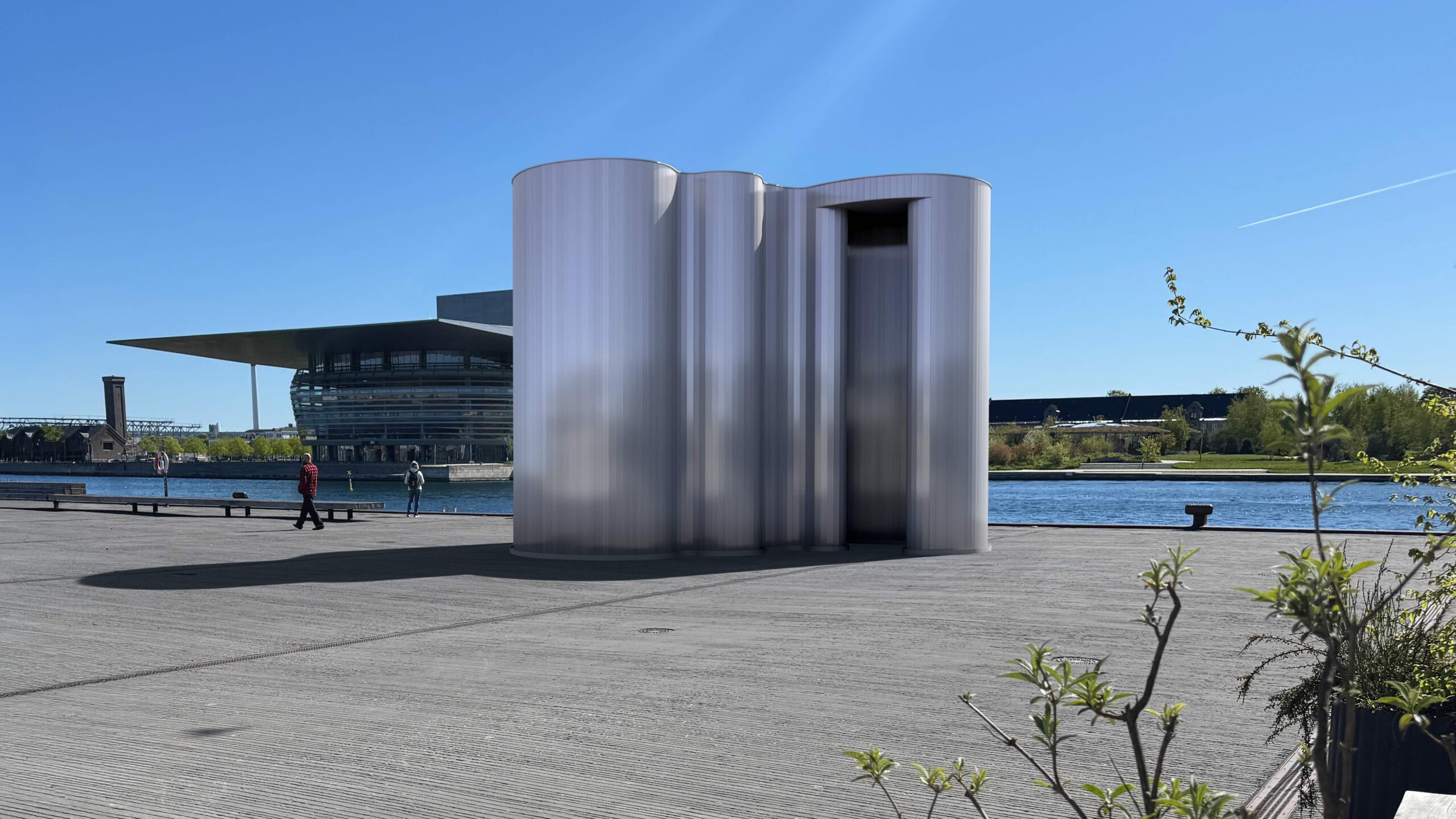
Photography courtesy of Iittala and Hydro
‘I think people are less interested in simply being shown products now,’ she continues. ‘They want to experience a concept, like stepping into a mood or a world for a moment. The product is still there, of course, but it becomes part of a larger experience. That’s really why I used the word “chapel”. Not in a literal sense, but because I wanted the space to feel quiet and reflective rather than commercial.’
Translating the soft shape of the Aalto Vase, visitors can move through curved aluminium walls, animated by light and sound. The atmosphere and design both echo the humanistic modernism – think organic forms, natural materials and a sensitivity to light – long associated with Alvar Aalto’s work. The Aalto 90 Pavilion is an evolution of the original design, but still grounded in his intuitive approach.
‘We wanted the space to feel calm and alive at the same time,’ explains Vepsäläinen. ‘The soundscape became one of the most personal parts of the project for me. I worked on it with my partner, Timo Säilä, who visited the glass factory to record sounds of glassmaking and different Iittala objects. I remember us spending a long time talking about what the vase actually feels like, not just what it looks like.’
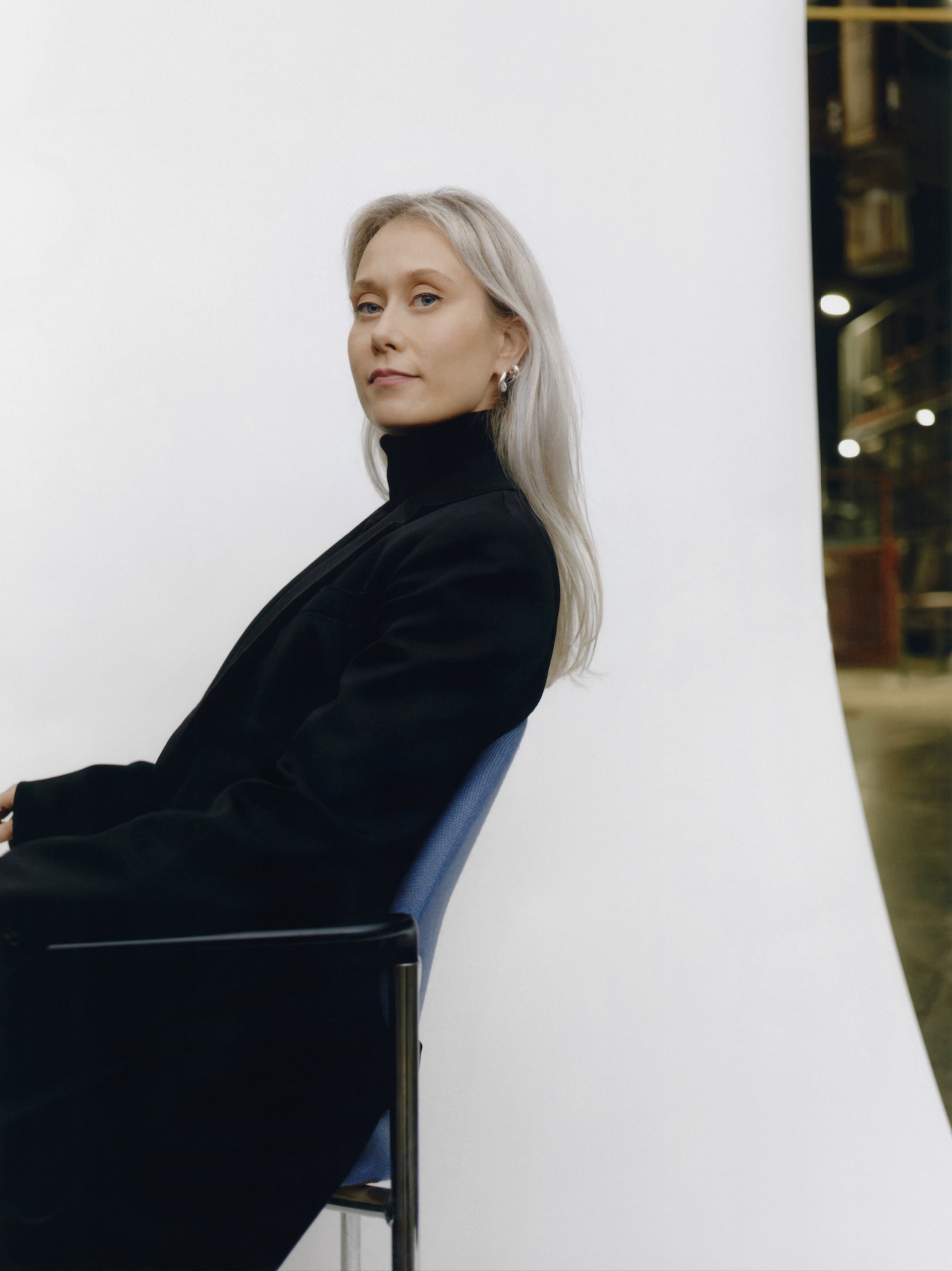
Photography courtesy of Iittala featuring Iittala’s Creative Director Janni Vepsäläinen
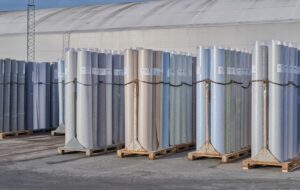
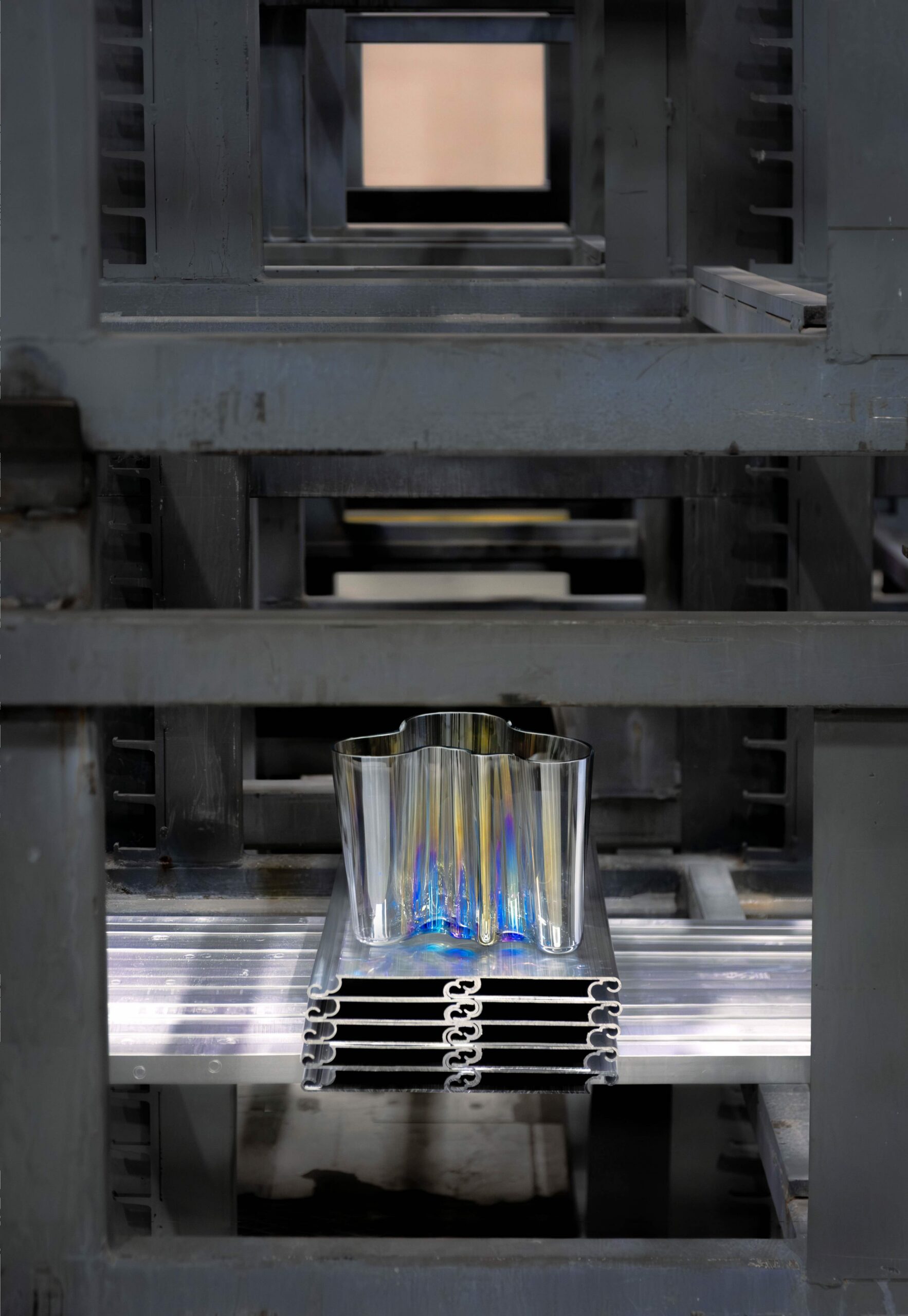
Material innovation sits at the core of the pavilion. Constructed from low-carbon aluminium extrusions produced using renewable energy, the structure is designed for recyclability and reuse. Hydro’s lightweight profiles allow the vase’s curves to be realised architecturally with a near weightless quality, while a modular system ensures the pavilion can be dismantled and reassembled in future locations.
‘The scale was the hardest part,’ says Vepsäläinen. ‘You have to study the object very carefully and then rebuild its logic at a completely different size while keeping the original feeling intact. Together with TABLEAU and Hydro, we spent a lot of time working through details like wall thickness, structural support and how to keep the organic shape stable when people are actually walking inside it. Hydro developed a special panelling technique that allowed us to recreate the flowing form in aluminium.’
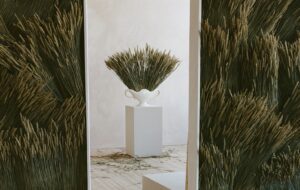
At the heart of the celebrations is the recently launched Aalto City Vase collection, developed for the anniversary year. Inspired by six cities – Berlin, Amsterdam, Tokyo, New York, Helsinki and Copenhagen – the series reinterprets the classic design through distinct colour and material palettes, reflecting how the vase responds to cultural references across generations.
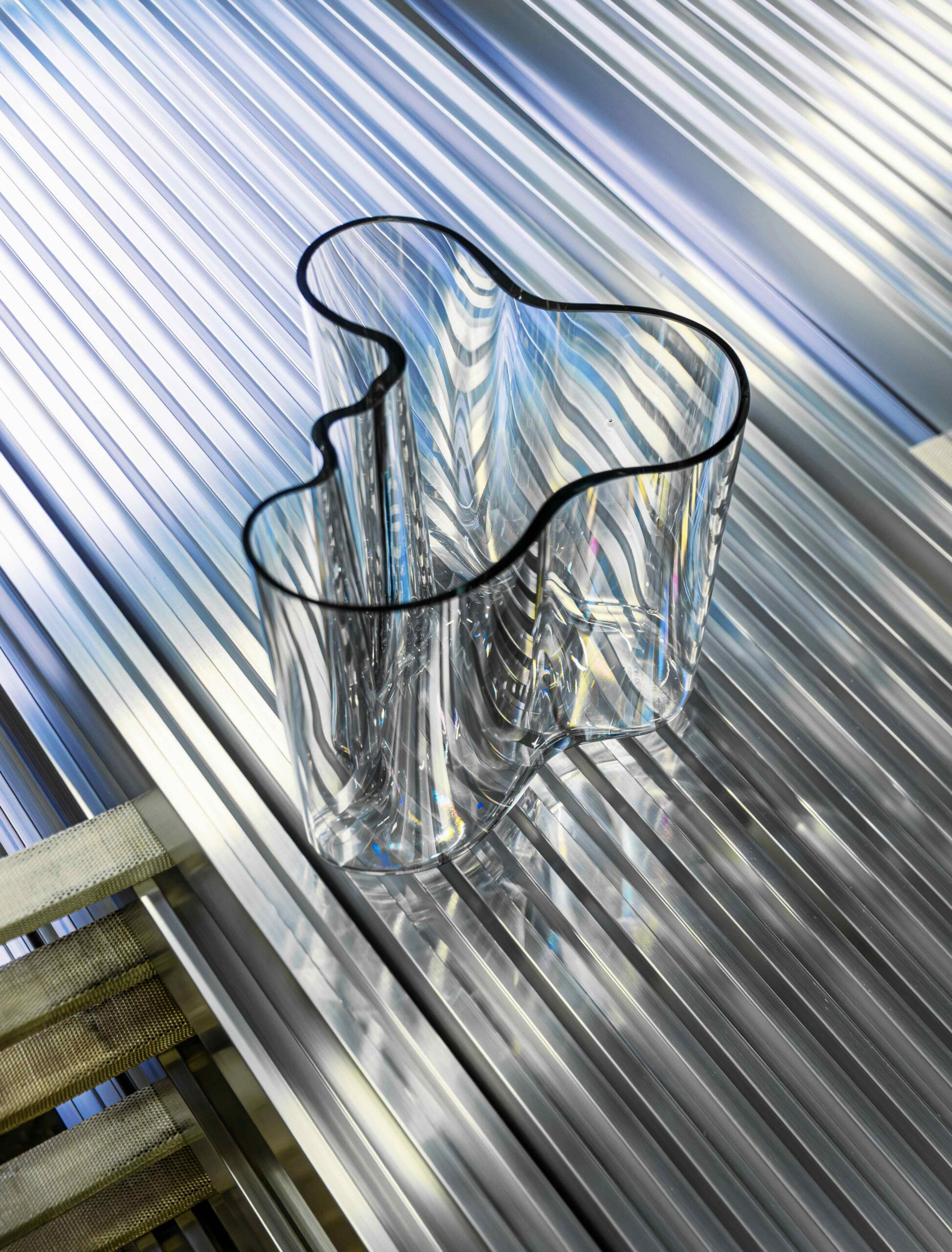
Photography by Haavard Holmaas
‘What made the cities meaningful for me was that they weren’t abstract references,’ she continues. ‘They’re places I know personally through travel, people and specific memories. So the collection became less conceptual and more connected to real experiences.’
With the Aalto City Vase collection, she wanted to continue that feeling of movement, too. Vepsäläinen explains how the lustre and iridescent treatment brought something new to the vase, and technically, pushed the glassblowers into areas they hadn’t quite explored before.
‘The original idea of the vase comes from Alvar Aalto, who moved very naturally between architecture, interiors and everyday objects,’ adds Vepsäläinen. ‘That’s always been inspiring to me. He travelled a lot and absorbed influences from different places, but his work still had a very clear identity.’
Photography by Haavard Holmaas
The pavilion feels particularly at home during Copenhagen’s 3daysofdesign, as installations such as these are increasingly presented alongside product launches as key parts of the programme. In this context, Vepsäläinen also demonstrates how heritage brands can freshly engage with their archives.
‘We wanted to create a pavilion that will travel,’ says Vepsäläinen. ‘It has been designed in a way that it is easy to dismantle and build up again. It was important to me to create an experience that has an afterlife and a purpose.’
Alvar Aalto was a creative maverick who moved easily between disciplines and that same fluidity – fittingly, aalto means “wave” in Finnish – runs through the project today. For Vepsäläinen, the Aalto 90 Pavilion extends the continuity of the Aalto Vase while marking a shift from smaller product work towards a more architectural approach. In many ways, it reflects Alvar Aalto’s own cross-disciplinary approach and the value of working across fields to unlock new ways of seeing and experiencing space.
Get a curated collection of design and architecture news in your inbox by signing up to our ICON Weekly newsletter