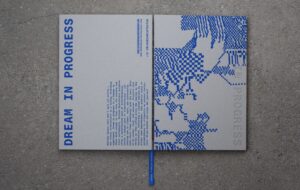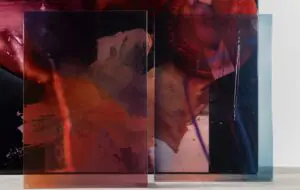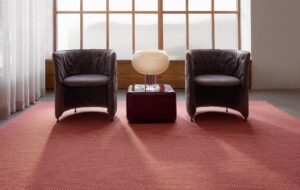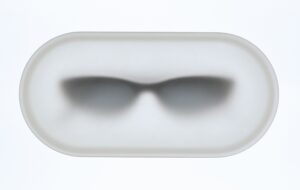

Opening 6 March, Mould, curated by exhibition platform Proof of Concept, invites visitors to explore material experimentation, craftsmanship and process-led design
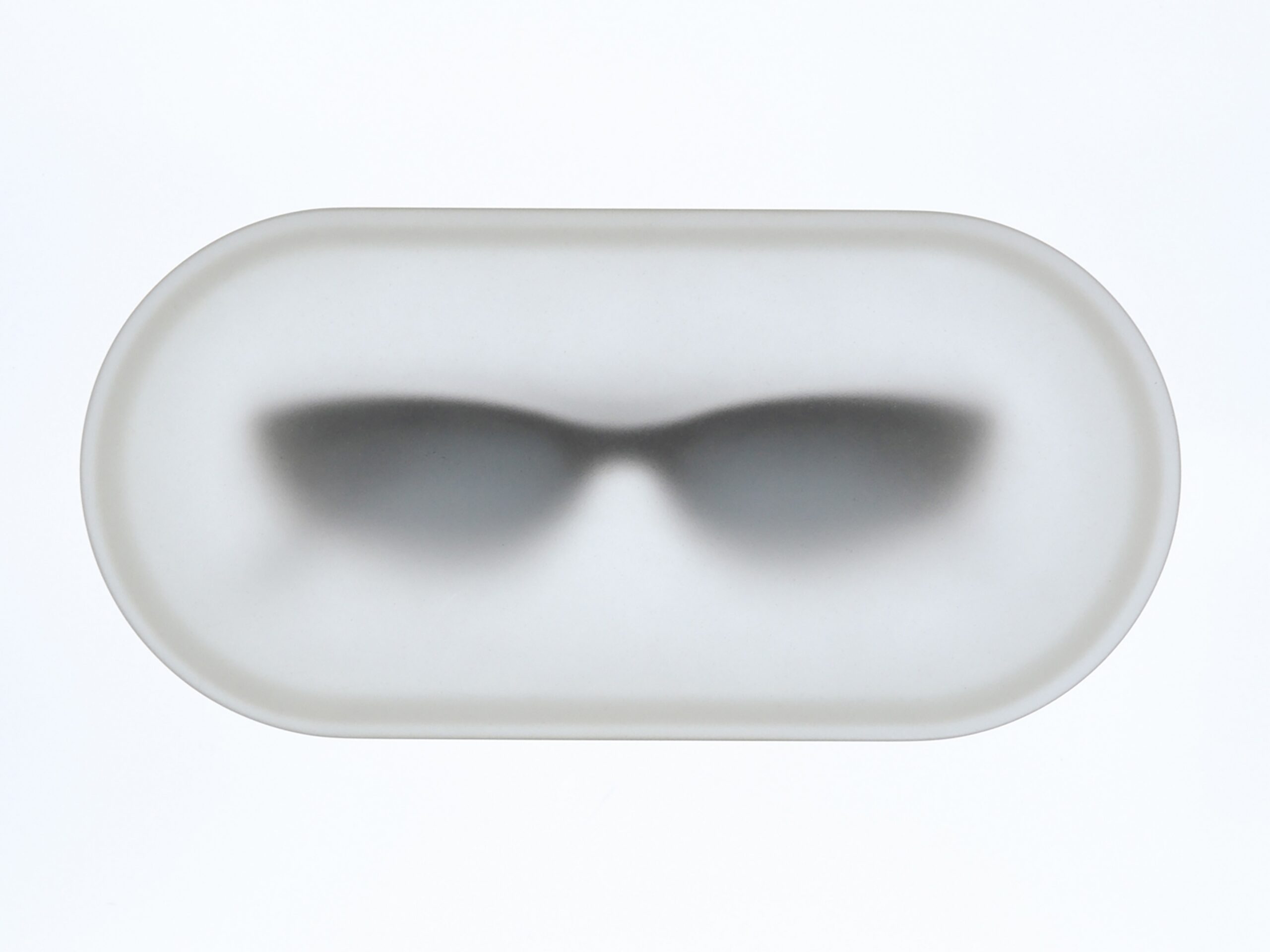
Photography courtesy of Aram featuring Tabatha Pearce Chedier
Words by Jessica-Christin Hametner
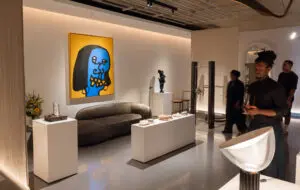
At Aram in Covent Garden, London, a new exhibition titled Mould, offers a behind-the-scenes look at the techniques and craftsmanship behind contemporary design objects. Running from 6 March until 25 April, the show – curated by Proof of Concept – focuses on moulds and the transformation of raw materials into new designs.
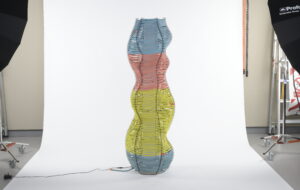
Blown glass objects by Swedish designer Martina Claesson sit alongside delicate paper lighting by London-based studio Mentsen and a large timber-and-plywood lounge chair by design agency Smith Matthias, each drawing the viewer in. These are just some of the works by the twelve multidisciplinary designers and creative studios presenting their methods of making at Aram’s gallery space.
‘We wanted to show a mix of approaches across scale, material and moulding techniques,’ says Gemma Matthias, co-founder of Proof of Concept. ‘We invited practitioners from architecture, ceramics, glasswork, industrial design, furniture design and academia, each approaching moulding from a different perspective. While the methods and scales vary, all of the work is shaped by the realities of forming materials through moulds.’
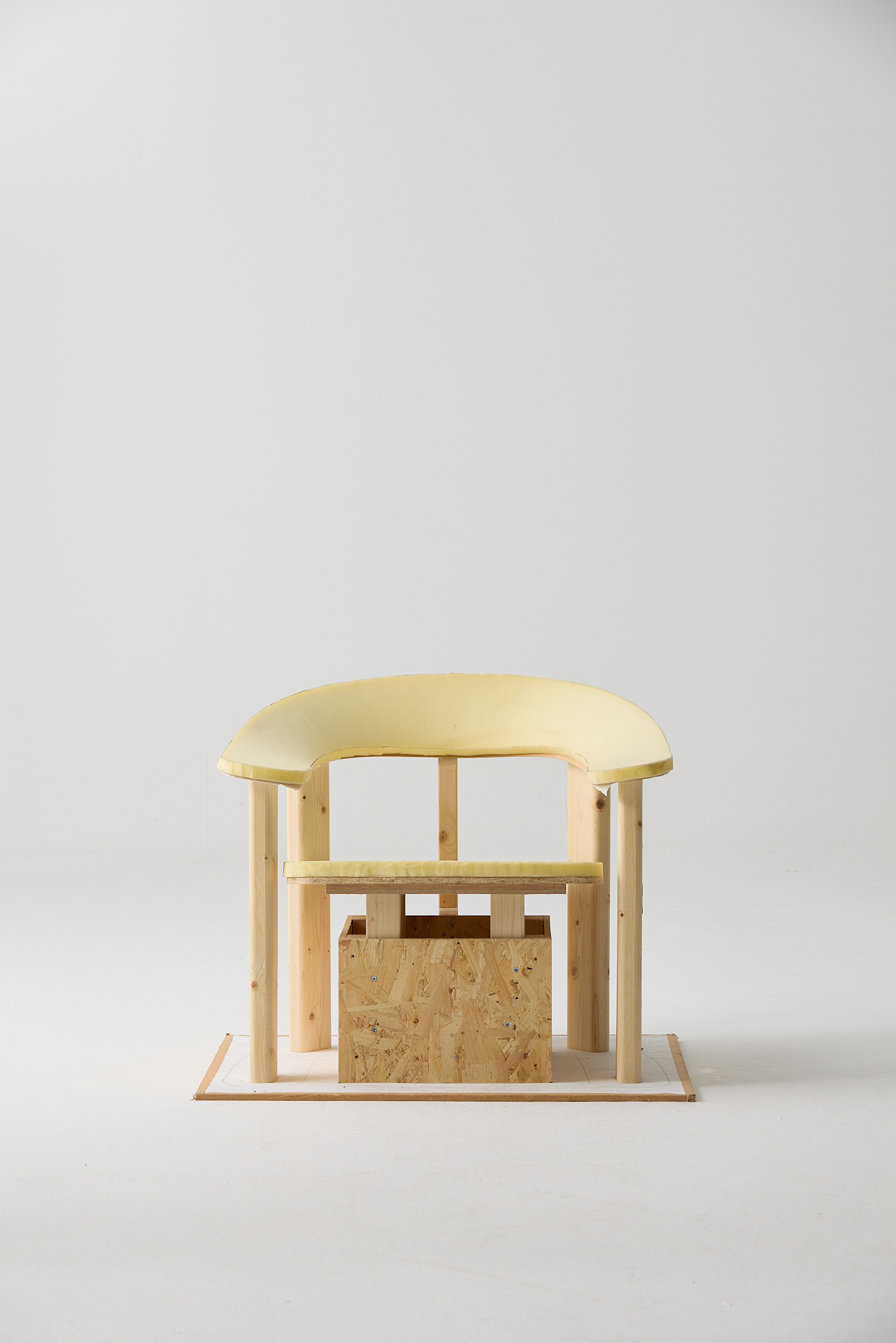
Photography courtesy of Aram featuring Smith Matthias
Experimental in spirit, the exhibition brief honours material research, posing a series of questions: how can conventional modes of making be challenged? How might different disciplines navigate the constraints of moulding and tooling, processes that are often prohibitively expensive? And how will material experimentation continue to evolve within design?
‘Material experimentation has always been central to design – it’s how we test ideas and push things forward,’ says Matthias. ‘What Mould tries to highlight is the value of human instinct and hands-on making within that. Our aim is to show the depth of experimentation and iteration that goes into the creation of products, particularly in an age of polished, fleeting imagery’.
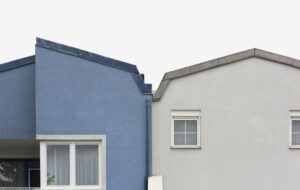
The exhibition opens with a series of material studies, from a micro-concrete gable by Alt Studios to a sculptural casting from Atelier Thirty Four and an industrial mould by Chris Martin. It also features David Irwin’s pressed PET lounge chair and extruded ceramics by Elliott Denny, Emma Louise Payne and Phoebe Stubbs. The final pieces comprise hand-pressed terracotta and a series of objects made using an exchanged mould, alongside latent tooling from Josh South.
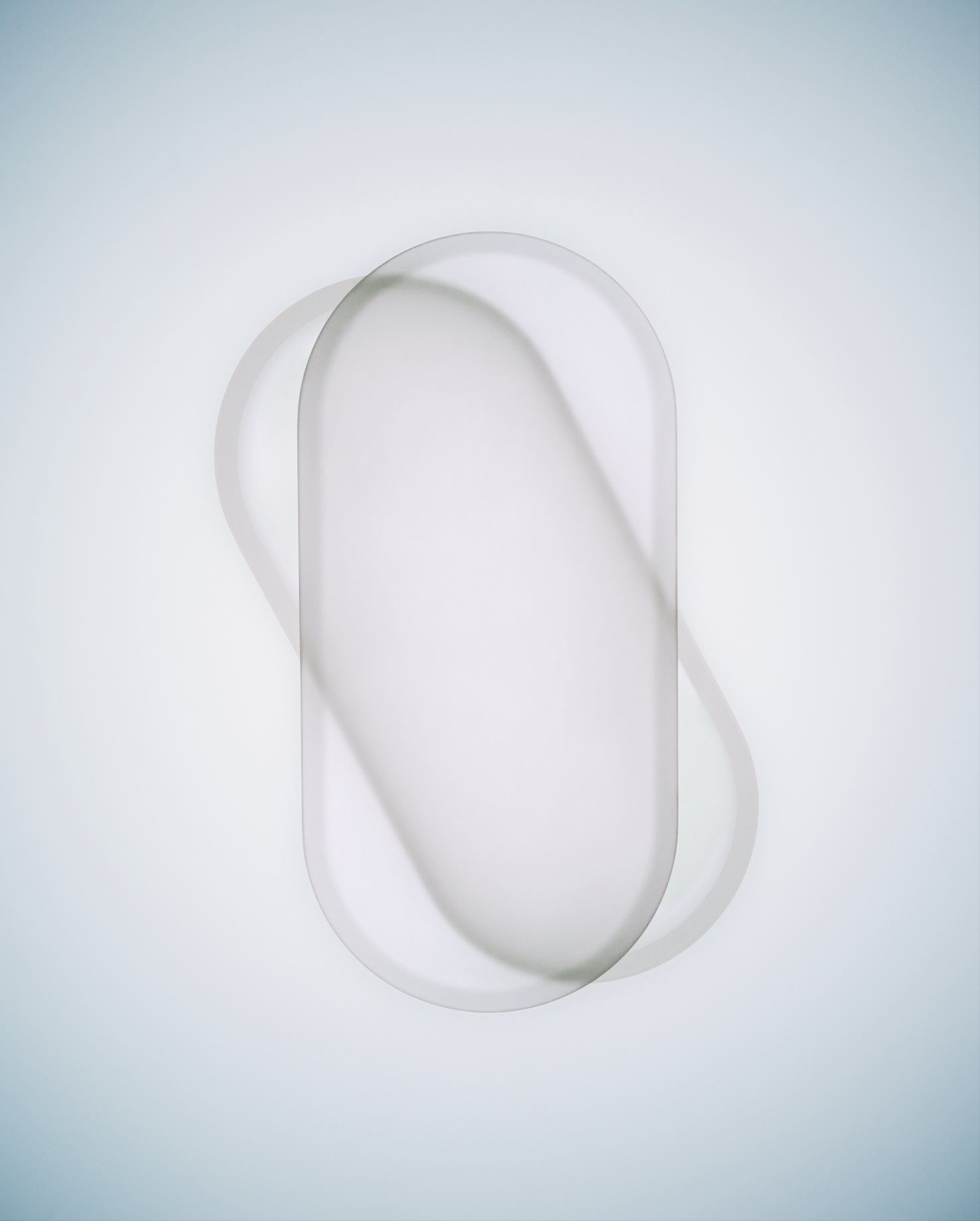
Photography courtesy of Aram featuring Tabatha Pearce Chedier
‘In bringing together hand-made work alongside industrial and semi-industrial processes, we were interested in trials, tooling and test pieces as much as the final object,’ explains Matthias. ‘It’s about encouraging people to look beyond the finished form and think about how it came to be, and the skill and curiosity behind it.’
Together, the twelve designers form a collective united by a commitment to craft, presenting works that range from self-initiated experiments to furniture and designs that never reached production. Their shared conviction is clear: material intelligence and process-led thinking can change how things are made and, in doing so, challenge the established hierarchies of production.
‘Materials really drive the moulding process,’ Matthias continues. ‘You can mix, alter and experiment with materials, but you also have to work with their natural properties. She explains that Aram and Proof of Concept wanted to present a range of materials and display how each one shapes the way something is made.
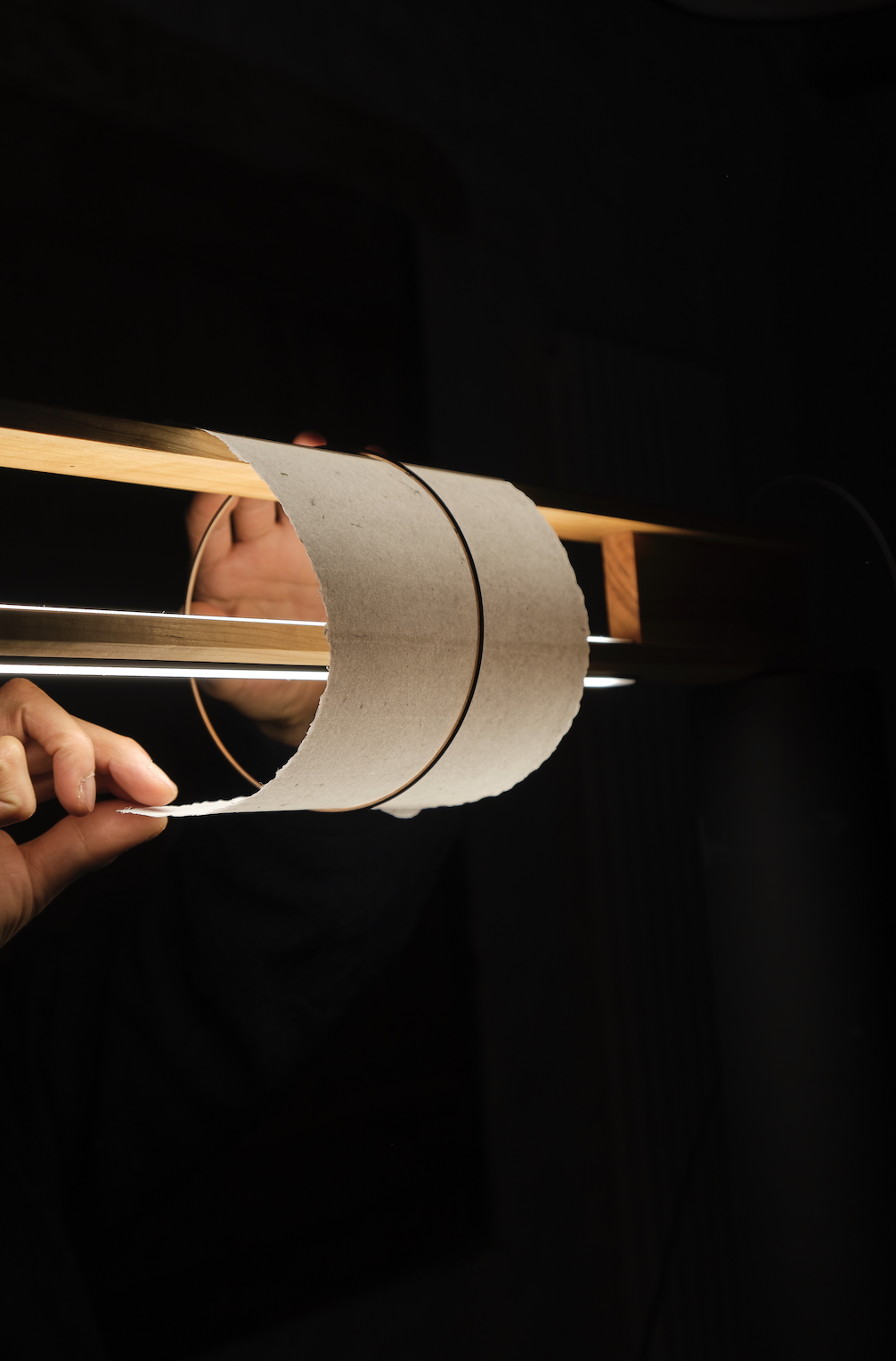
Photography courtesy of Aram featuring Mentsen
Metals, plastics and rubber emphasise precision and repeatability, while ceramics and glass present malleability and hand-led variation. Paper and resin bring a lighter, softer quality. Together, they demonstrate how material choice directly influences both process and outcome.
‘There is often a gap between the perceived value of an object and the reality of the making processes, skill and material intelligence behind it,’ says Grace Eden, creative manager of Aram. ‘By offering space for explanation and learning, we hope to bridge that gap even in some small way. I hope visitors leave with knowledge; a deeper understanding of the scope of moulding.’
To coincide with Mould, visitors can also browse a Proof of Concept and Aram pop-up shop on the ground floor, displaying a selection of works by the exhibiting designers. These pieces will be available to purchase in-store for the duration of the exhibition only.
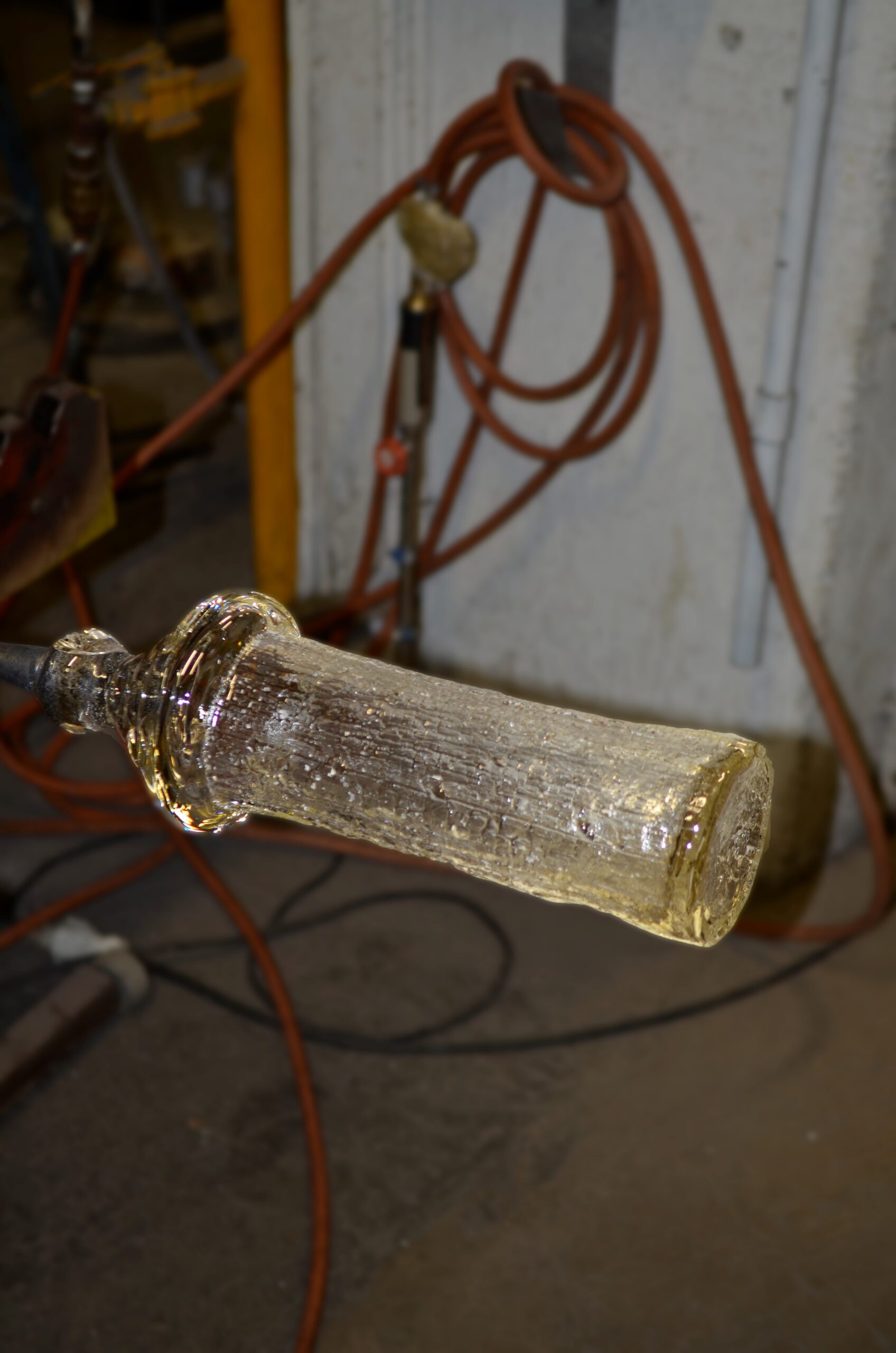
Photography courtesy of Aram featuring Martina Claesson
‘Communicating making techniques has been a consistent thread throughout our gallery programme since its inception, and moulding is a process linked to much of the design we present through our store and trade department,’ adds Eden. ‘It spans a variety of disciplines and isn’t the sole preserve of large-scale industry, which aligns with the gallery’s commitment to supporting emerging and independent practitioners.’
Matthias explains that, from improvised workshop methods to more technical, production-oriented approaches, each discipline brings its own constraints, costs and ways of working. Through material research, meticulous craftsmanship and process-led experimentation, Mould offers a fresh perspective on how objects are conceived and made.
‘As AI and automation grow, there’s something important in holding onto processes that allow for unpredictability and variation,’ concludes Matthias. ‘Imperfections such as finger marks, slight inconsistencies, traces of the mould aren’t flaws, they’re evidence of making. The exhibition leans into that, encouraging a more human, material-led way of thinking about design.’
The exhibition runs from 6 March – 18 April 2026. Opening hours are 10 am – 6 pm Monday – Saturday. No ticket is required to attend
Get a curated collection of design and architecture news in your inbox by signing up to our ICON Weekly newsletter