In the run-up to the Lake Como Design Festival (12-20 September), ICON meets chief coordinator Francesca Prandelli and Contemporary Design Selection curator Giovanna Massoni
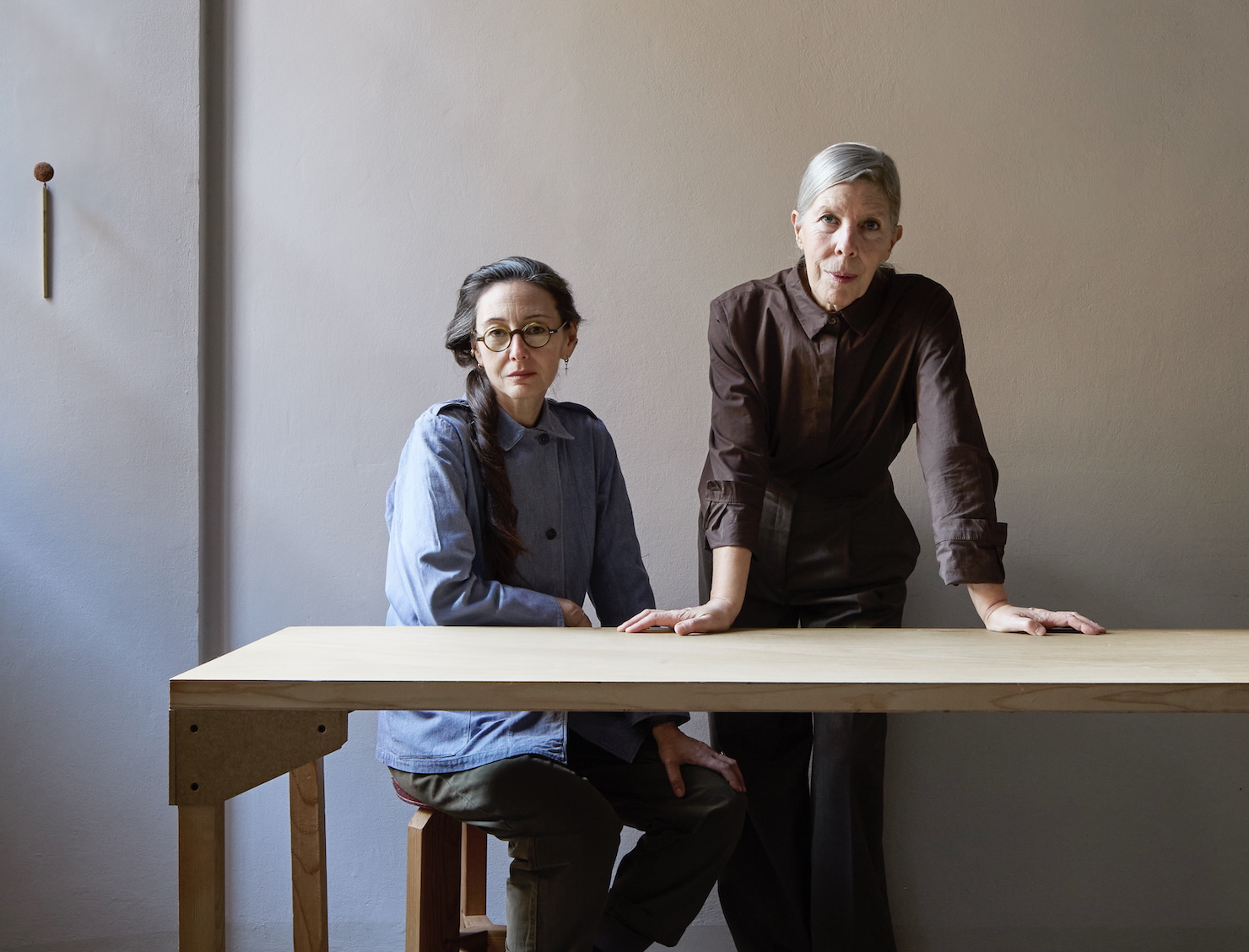
Photography by Alessandro Ruffini, featuring chief coordinator Francesca Prandelli (seated) and curator Giovanna Massoni
ICON: This year’s theme is Border. Without giving too much away, how has curating the Contemporary Design Selection expanded your own understanding of what a border can be, and what kinds of conversations do you hope the exhibition will inspire?
Giovanna Massoni: Curating this selection confirmed what I believe: design is a continuous friction between opposites, not a resolution. Most submissions on Border inhabited that tension rather than solving it. I know ‘fluidity’ is abused, but I reclaim it here: it names a real rejection of design as a fixed, defensive discipline – these are handmade and industrial objects, refusing single categories.
I’m tired of design hiding behind problem-solving as an excuse to avoid responsibility, as if efficiency absolved it from asking who a function actually serves. I hope this exhibition shows design taking responsibility in practice: burning waste wool, weaving smog-causing rice straw into fabric, running a workshop inside a prison. It’s holding materials, cultures and communities together instead of designing them apart.

Photography by Lorenzo Butti featuring Lake Como Design Festival’s Villa Saporiti
ICON: The exhibition brings together designers from around 30 countries inside an 18th-century villa overlooking Lake Como. What opportunities does this extraordinary setting offer that weren’t perhaps possible in previous editions?
Francesca Prandelli: Villa Saporiti carries its own history of who was allowed to cross its threshold and who wasn’t. Hosting 30 countries inside those rooms turns the architecture into a ‘border’ under negotiation. That domesticity changes what design can do here: a piece exhibited in a small circular room, in front of a fireplace, in a garden overlooking the lake is read against use and memory, not against the neutrality of the white cube. Previous editions gave us space; this villa gives us friction – proportions, light and history that push back against the work. I don’t think that pressure is optional for a theme like Border. A neutral room would have allowed the concept to remain abstract, while this one forces it to become physical.
ICON: The Contemporary Design Selection has become one of the festival’s key exhibitions. What do you think makes this year’s edition particularly timely?
GM: What makes this edition feel timely is the moment it answers to: an industrial system procrastinating on energy and environmental challenges, a market saturated with traditional categories, leaving little room for real experimentation.
The theme Border, left deliberately open, gave that search a name: a liminal space between discipline and indiscipline, craft memory and conceptual speculation, where nobody had to pick a side. What we received were proposals claiming a responsible freedom, from designers across more than 50 countries, well-known names alongside names nobody knows yet, a selection built with no border of fame or geography. A living encyclopedia: its crossings are built on intention and action, sometimes conflictual – and that friction is what makes it urgent.
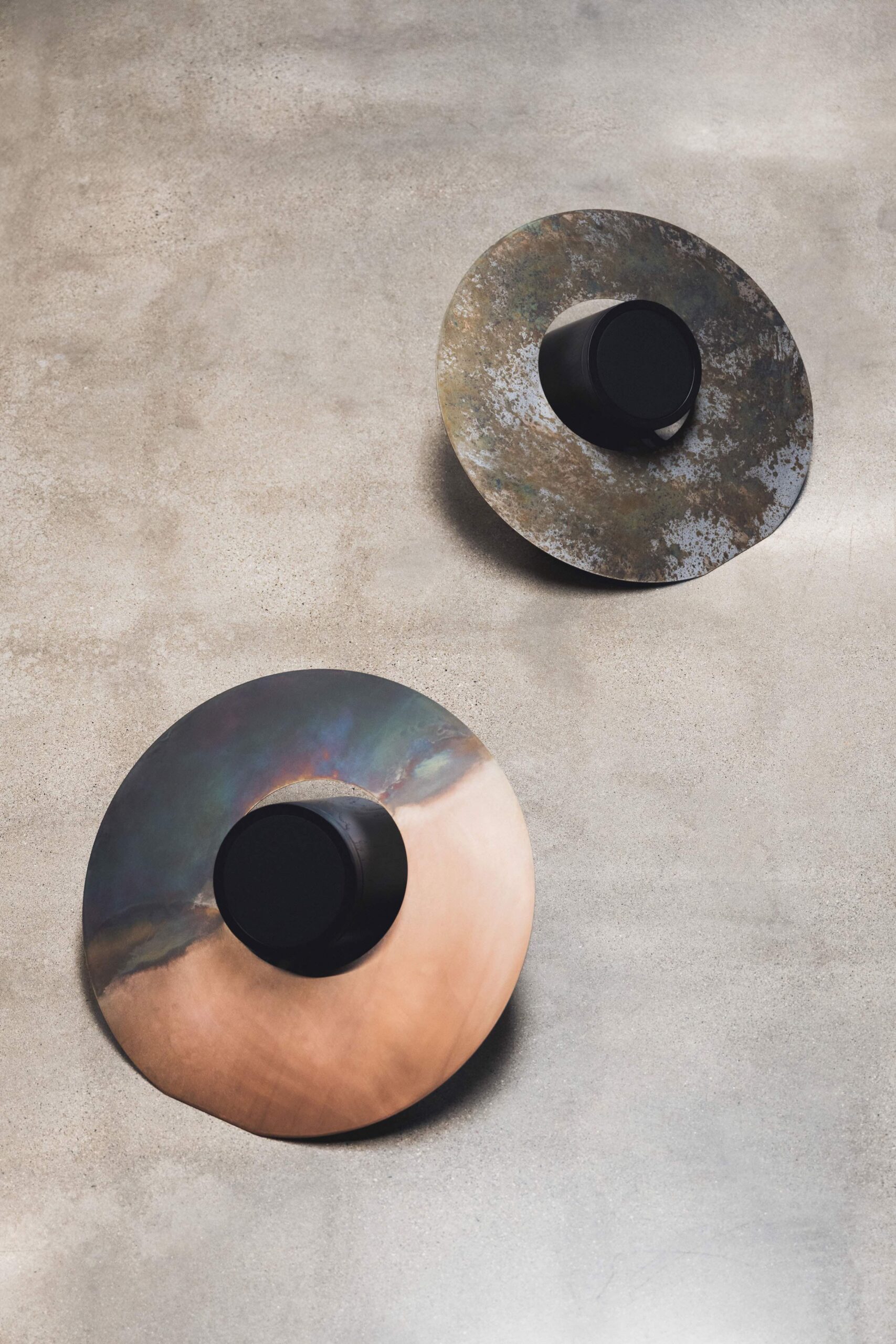
Photography courtesy of Lake Como Design Festival featuring Saturnia by Elia Dusi, ArmoniusLab
ICON: Beyond the festival, where would you send first-time visitors to experience the real Como? It could be a favourite cafe, a lakeside walk, a hidden garden, a design shop or a place you love.
FP: The festival runs a rich programme of studio visits, letting visitors get to know the territory through the voices and spaces of the architects, artists, designers and archives who live in the city every day. If I were a first-time visitor, I’d start right there: those are places normally closed to the public, which for the occasion become gateways into homes, ateliers and unusual spots you’d never otherwise access. Alongside that, the festival organises a dedicated series of guided tours with architects and art historians to discover the masterpieces of Comasque rationalism.
Beyond the festival, Wonderlake Como, its organising body, works year-round, mapping what’s most authentic here, giving voice to those who’ve kept this place’s history alive and those who fell in love with it and chose to make it even more distinctive. I’d suggest a lakeside walk to Cernobbio, to the narrow historic lane where Pasticceria Poletti makes its irresistible three-chocolate semifreddo, then a visit nearby to Casa e Archivio Cattaneo, recognised as the masterpiece of Comasque architect Cesare Cattaneo. In the city, I’d point out a hidden gem: the Galli Cavalcabò studio, housed in a 1930s wine cellar the studio itself has restored.
The eighth edition of the Lake Como Design Festival will run from 12-20 September. For more information, visit lakecomodesignfestival.com and wonderlake.com
Get a curated collection of design and architecture news in your inbox by signing up to our ICON Weekly newsletter