
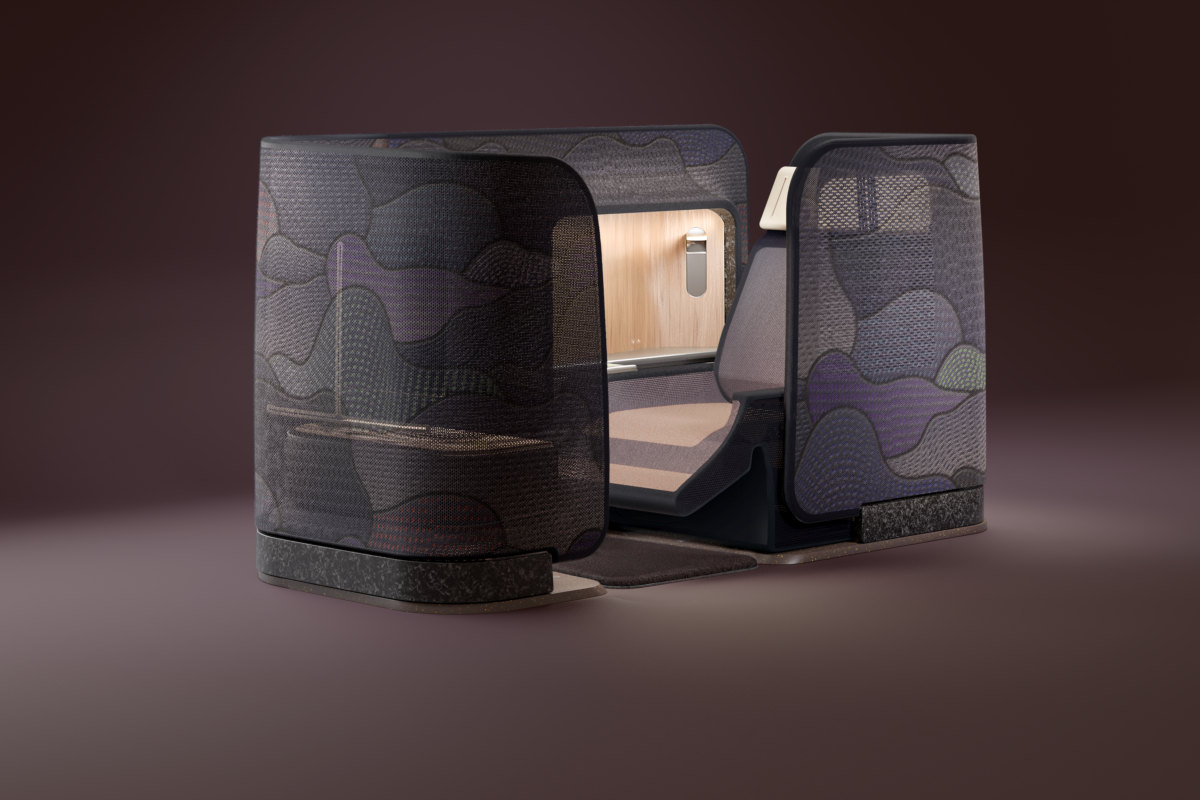
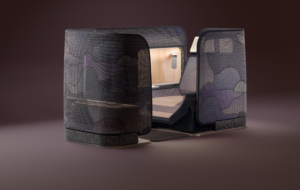
Caon Design Office partners with Woolmark to unveil a circular aircraft seating concept
In a future-focused research project, Caon Design Office and Woolmark have unveiled Modulo – an innovative seating concept centred around circularity.
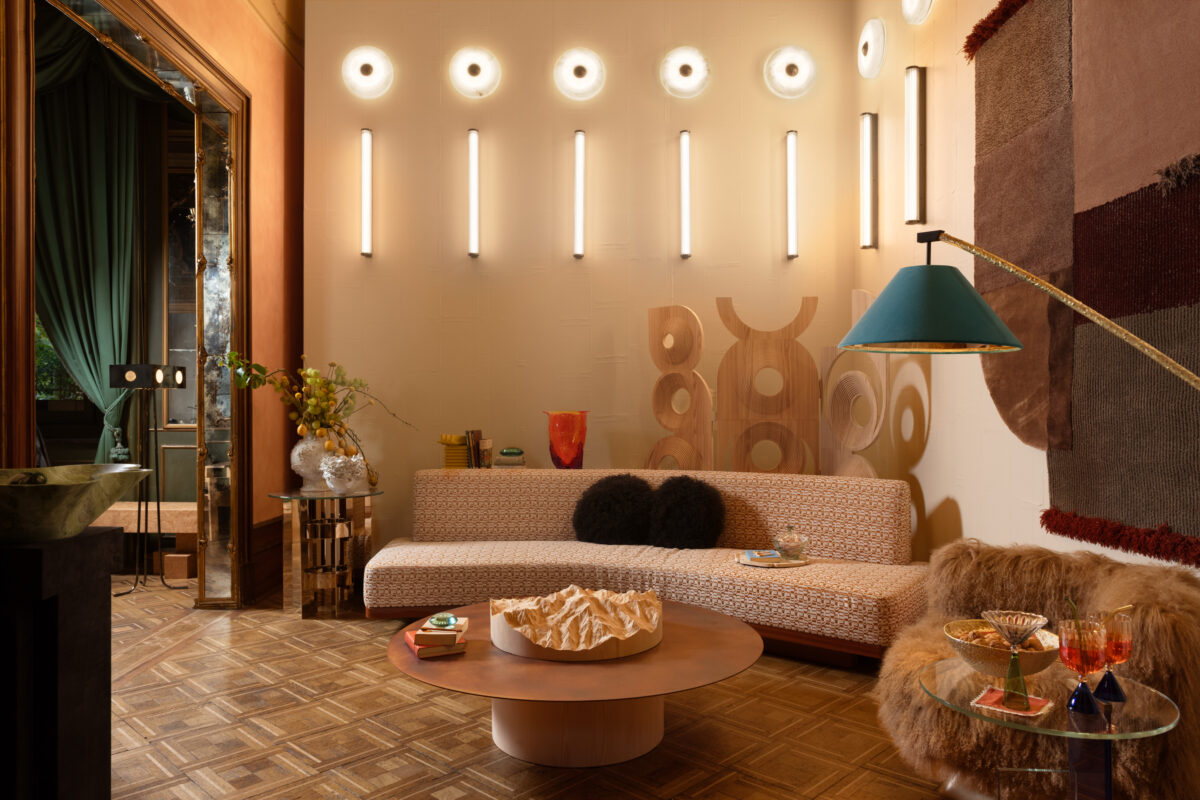
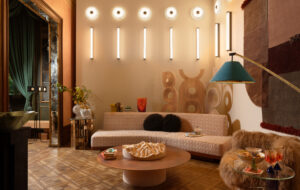
Five Highlights from Milan Design Week 2024
The annual design event returned to Milan earlier this month. Here are Roddy Clarke’s top picks of the week.
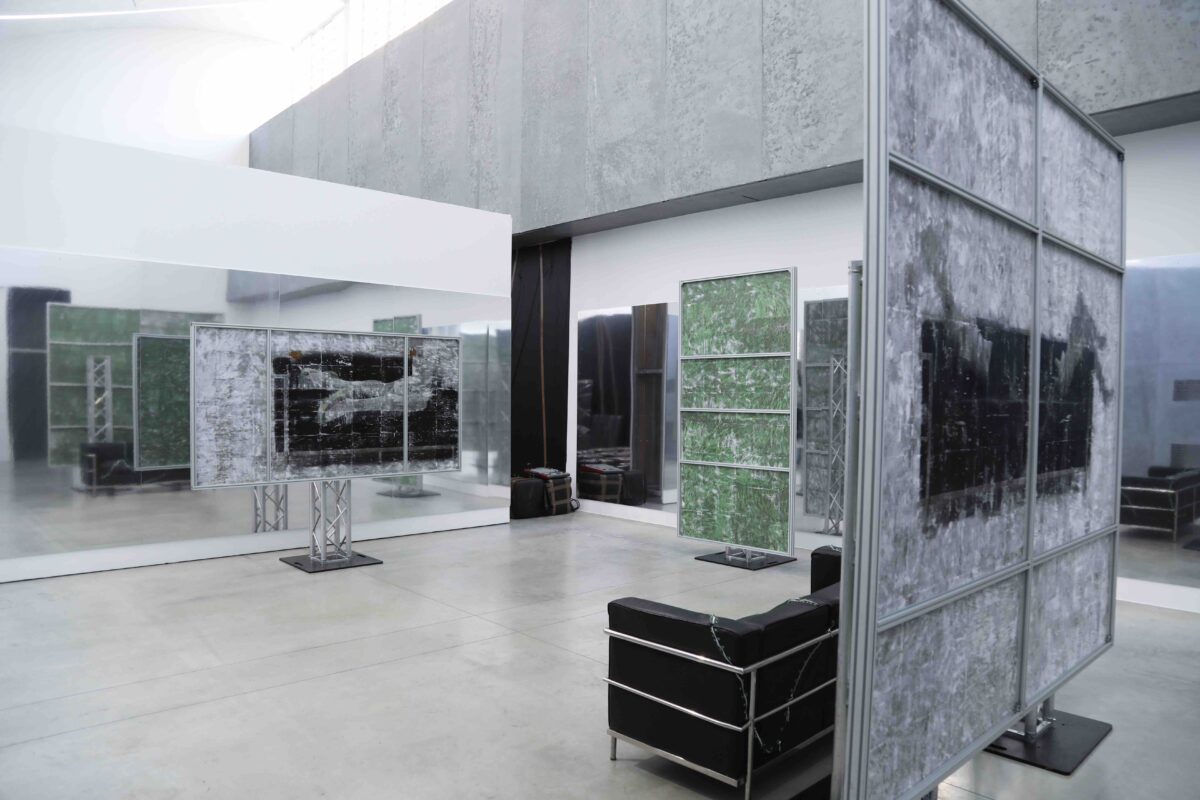
James Bantone teams up with UGG at this year’s Milan Design Week
The multidisciplinary artist's work delves into an ongoing exploration and critical examination of identity through a blend of different mediums
ICON launches its inaugural digital Milan Design Week 2024 Guide
Dedicated to Milan, the mecca for Italian culture, art and design, the guide uncovers the very best of what the city has to offer during Milan Design Week


Architecture
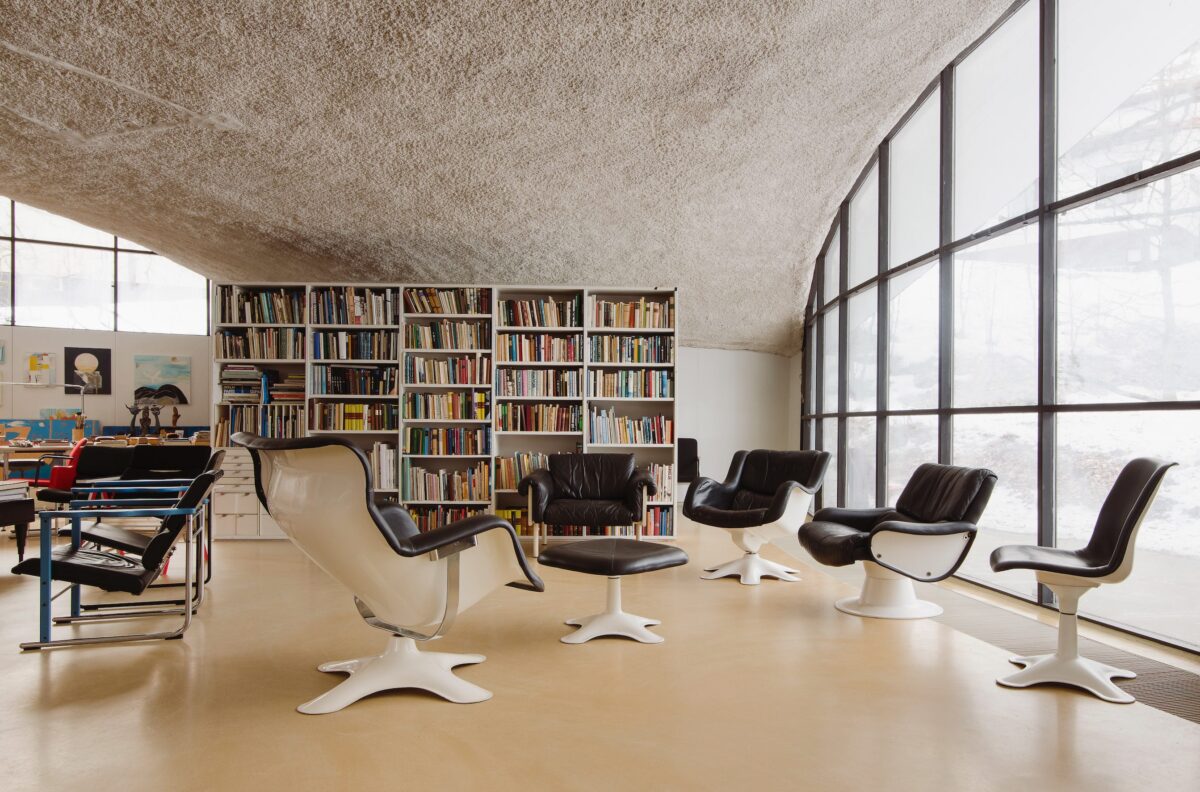
Architecture Icon: The post-war designs of Yrjö and Irmeli Kukkapuro live on in their unique home studio
The curved roof of Kukkapuro House in Kauniainen, Finland, shelters the former studio and home of its creators, designer Yrjö Kukkapuro and his visual artist wife Irmeli. Their daughter, Isa Kukkapuro-Enbom tells ICON the story of this unique space dedicated to creativity
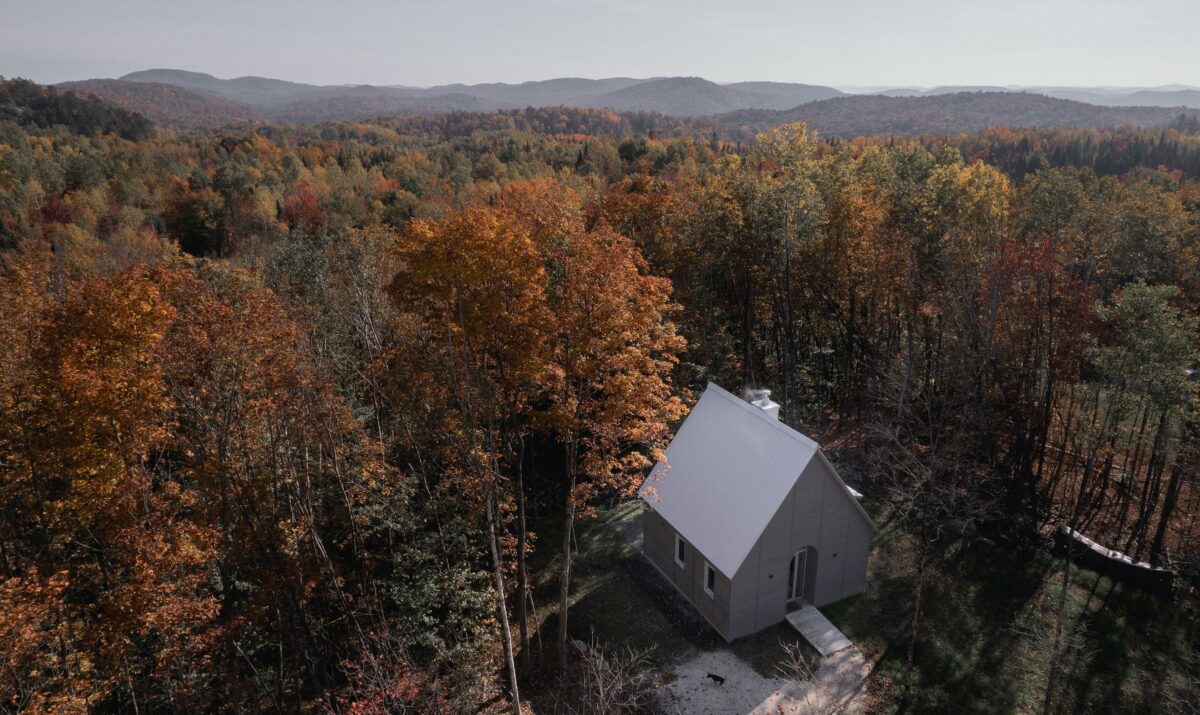
Atelier L’Abri completes silver-clad house in forested hills of Canadian Laurentians
A contemporary cabin for dog lovers, this tiny home marries functionality and minimalism within an ultra-compact building footprint
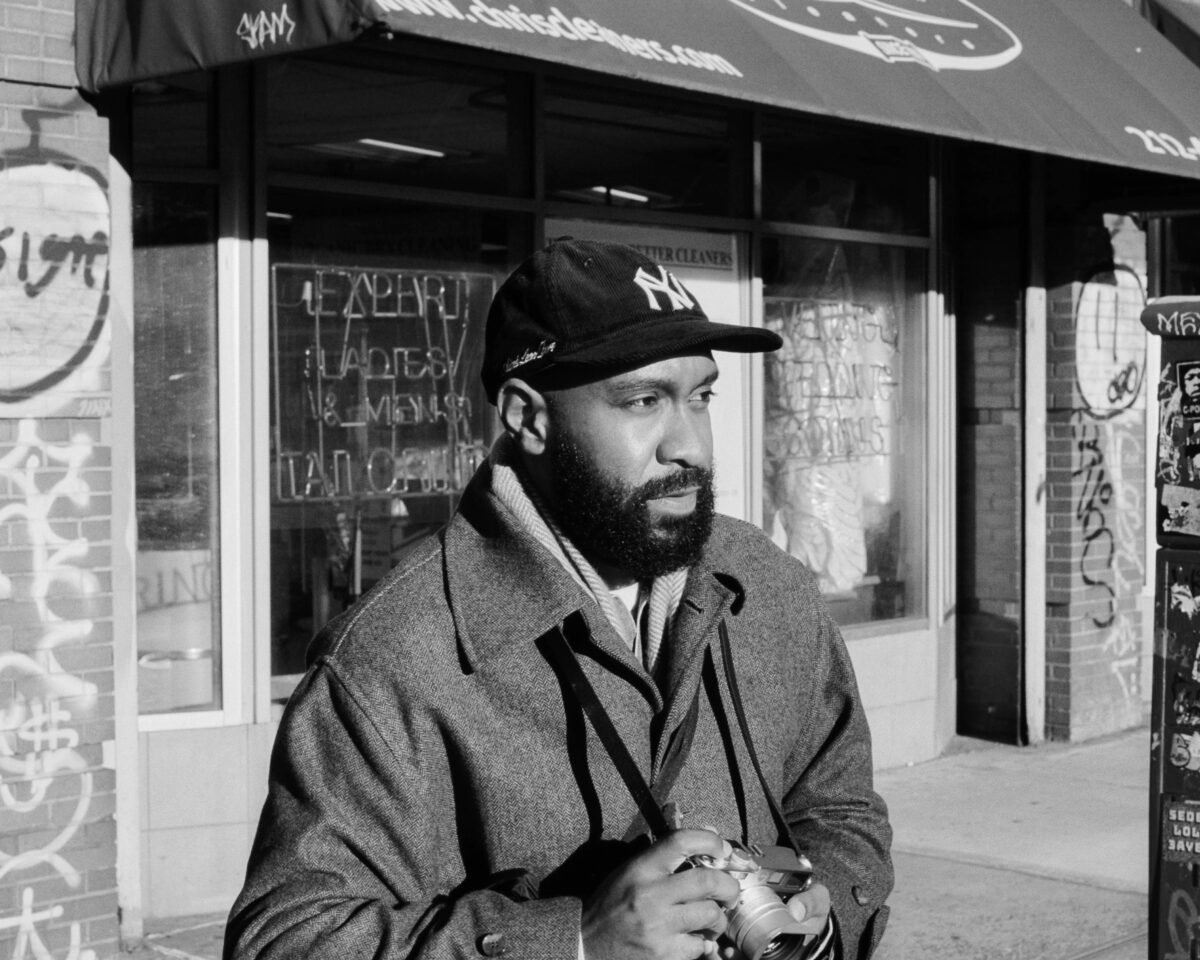
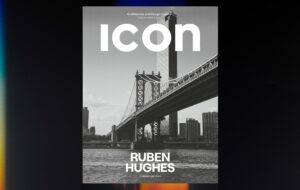
Photographer Ruben Hughes shares how he captures the streets of New York and Copenhagen
Best known for his collaborations with high-value brands, Copenhagen-based Ruben Hughes, whose work features on the cover of ICON 214, captures the street spirit of New York and the young people of his adopted home with his Leica M6

Design
Caon Design Office partners with Woolmark to unveil a circular aircraft seating concept
In a future-focused research project, Caon Design Office and Woolmark have unveiled Modulo – an innovative seating concept centred around circularity.
Five Highlights from Milan Design Week 2024
The annual design event returned to Milan earlier this month. Here are Roddy Clarke’s top picks of the week.
James Bantone teams up with UGG at this year’s Milan Design Week
The multidisciplinary artist's work delves into an ongoing exploration and critical examination of identity through a blend of different mediums
Opinion
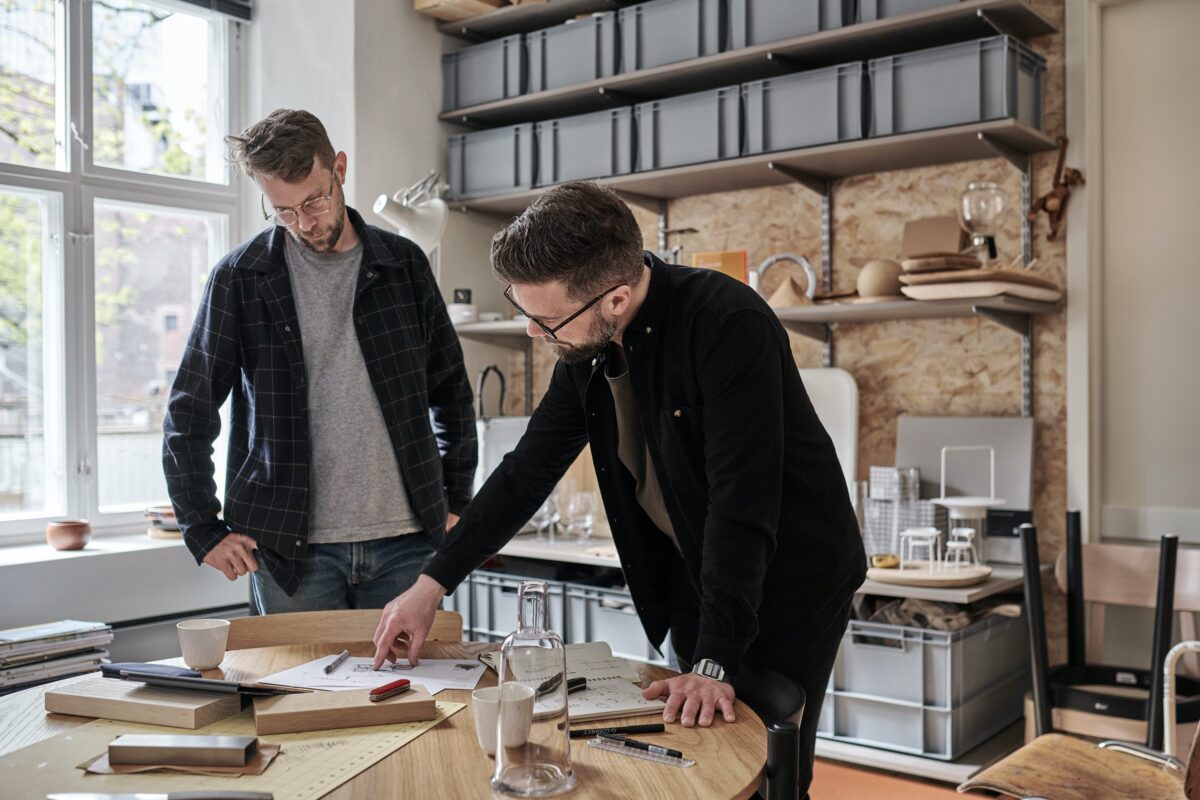
How Minus Furniture is exploring a net zero business model
Can furniture really be carbon negative? Minus Furniture is a research-driven design studio seeking to explore the reality of a net zero and below zero business model. Roddy Clarke investigates
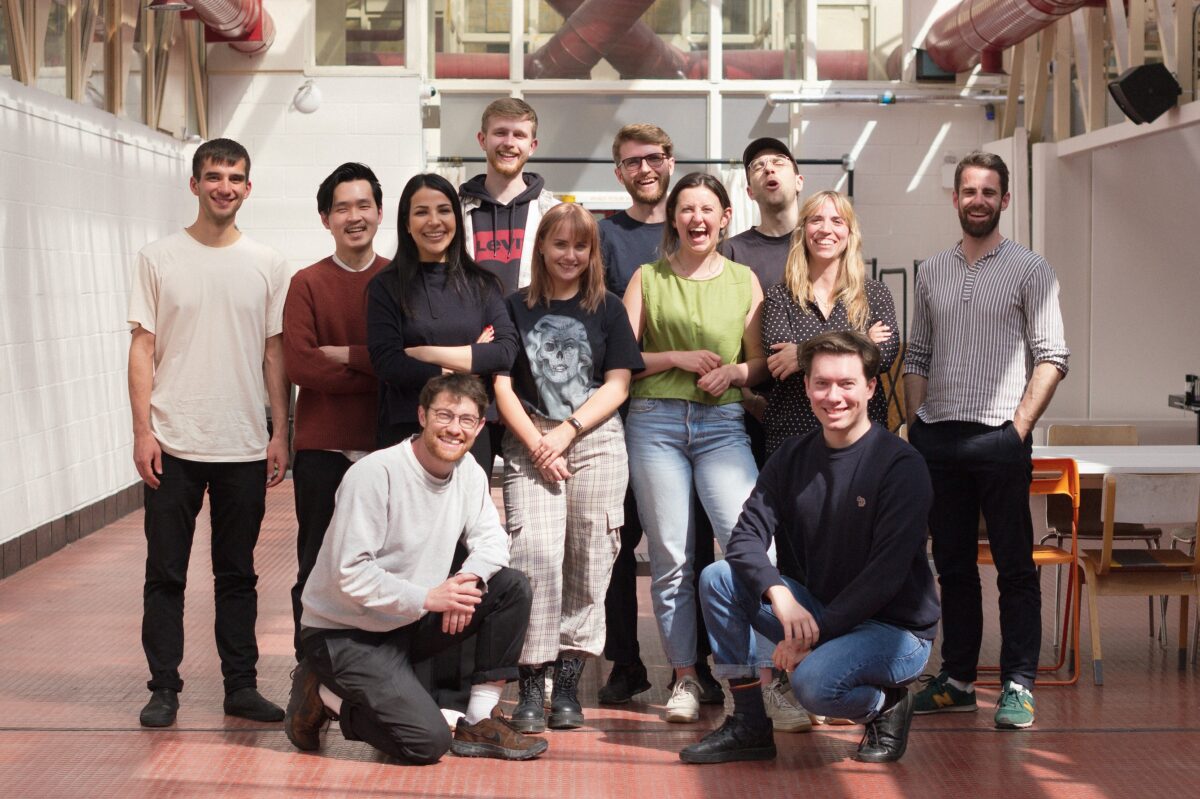
Milo Mcloughlin-Greening of Batch.Works on how we must change patterns of manufacturing
To truly bring about change we must foster entirely new ideas about how products are manufactured and consumed, writes Milo Mcloughlin-Greening of Batch.Works
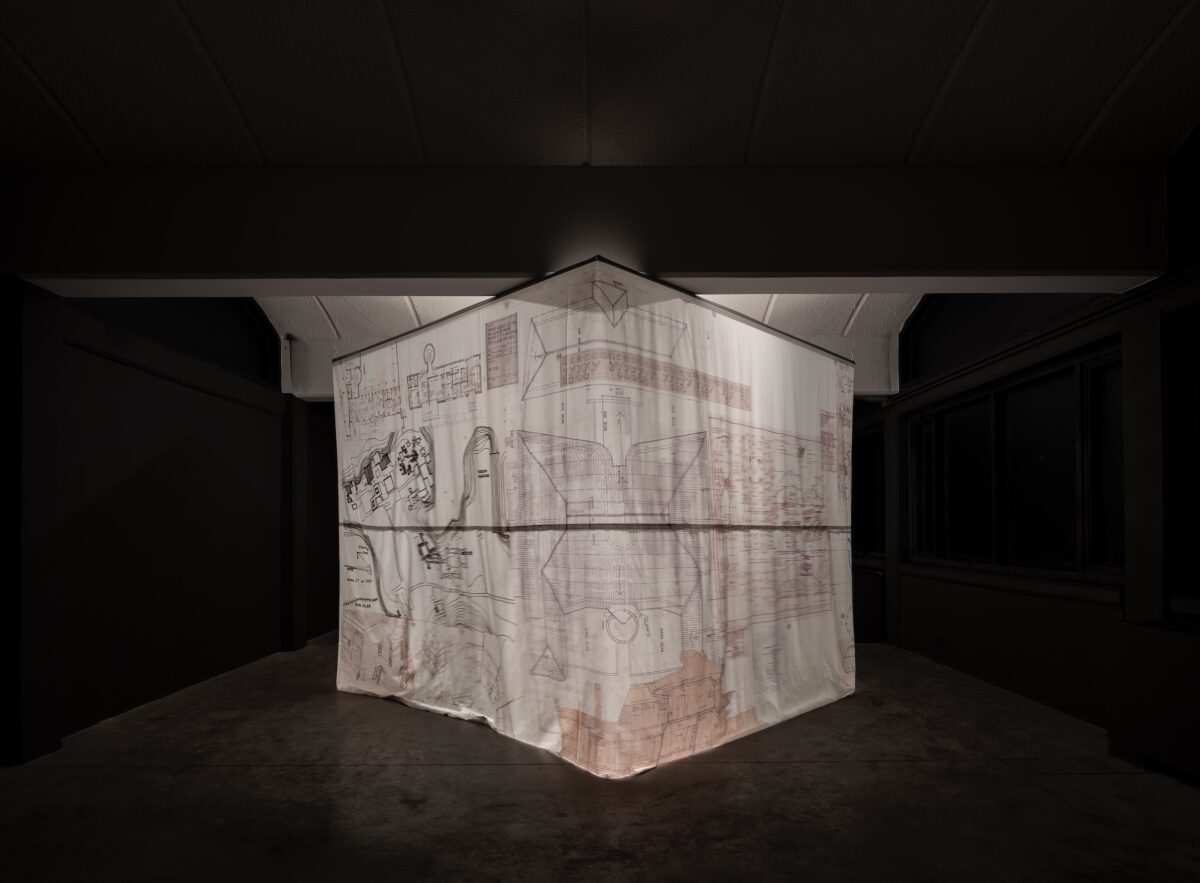
Speakers at the Sharjah Architecture Triennial took inspiration from the past in redefining strategies of renewal and sustainability for Africa
The Sharjah Architecture Triennial saw a new focus on redefining scarcity and abundance in Africa, writes our new columnist Rue Kothari